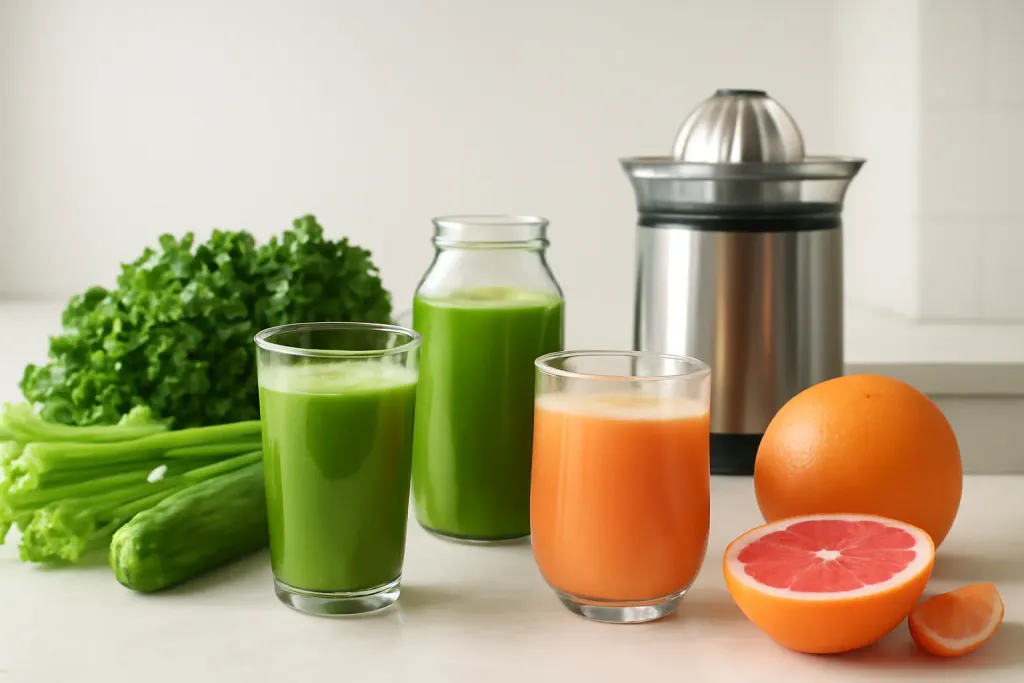
Why Grapefruit Needs the Right Juicer
Grapefruit is larger, heavier, and usually tougher to handle than smaller citrus fruits, so choosing a citrus juicer for grapefruit is less about style and more about fit. The best option should make it easy to cut the fruit, press it without slipping, and collect juice without messy overflow.
Because grapefruit halves are wider than lemon or lime halves, a juicer needs a bowl, reamer, or press that can accommodate the size comfortably. If the design is too small, you may end up working in awkward angles or squeezing in batches that slow the process. A good setup should feel steady on the counter and simple enough for everyday use.
For home cooks, the goal is convenience. Some people want a compact manual tool for occasional breakfast use. Others want a larger electric model that can handle multiple grapefruits for a family routine or recipes. The right choice depends on how often you juice, how much cleanup you want, and whether you prefer hands-on control or quicker operation.
Manual vs. Electric Options
The first big decision is whether you want a manual juicer or an electric one. Manual tools are usually simpler, quieter, and easier to store. They can be a good fit if you juice grapefruit occasionally or want a low-fuss tool that does not take up much space. Many manual options also work well for other citrus fruits, which can make them practical for a small kitchen.
Electric juicers reduce effort and can be easier when you are juicing several grapefruits at once. They may be better for anyone who wants a faster routine or has limited hand strength. However, electric models often have more parts to clean and may require more counter space.
If you are choosing between the two, consider how you actually use citrus. If grapefruit is an occasional ingredient for juice, dressings, or smoothie prep, a manual press or reamer may be enough. If citrus is part of a regular breakfast routine, an electric model may feel more efficient. The best citrus juicer for grapefruit is the one that matches your habits, not just the one with the most features.
Fit and Size Matter More Than You Think
Grapefruit size is one of the most important details to check before buying. Some juicers are designed around smaller fruit and may not comfortably handle larger halves. If the reamer is too narrow or the press basket too shallow, grapefruit can be awkward to position and harder to juice evenly.
Look for a design that clearly accommodates large citrus. A wider bowl, stable base, and roomy pulp area can make the process smoother. If you often buy large or thick-skinned grapefruit, make sure the juicer can handle the fruit without requiring excessive pressure or constant repositioning.
It also helps to think about your kitchen setup. A juicer that fits your countertop, cabinet, or appliance shelf is easier to use regularly. If you plan to move it in and out of storage, weight and shape matter. A compact tool may be more appealing than a larger appliance if space is limited, even if the larger model is more comfortable during juicing.
Features Worth Prioritizing
When comparing a citrus juicer for grapefruit, focus on practical features rather than extras you may never use. A non-slip base can help keep the juicer steady while you press larger fruit. A comfortable handle or lever can also make a difference if you prefer less hand strain.
A built-in spout or pour lip can make serving easier, especially if you plan to move juice into a glass, pitcher, or storage container. Some models include a strainer or pulp control, which can be useful if you like a smoother result or want to manage seeds and pulp more easily. If you enjoy thicker citrus juice, a simple design with less filtering may be fine.
Material choice matters as well. Durable plastic, stainless steel, and glass all have different tradeoffs in weight, cleaning, and storage. The most important thing is not the material alone, but whether the tool feels sturdy, easy to rinse, and suitable for regular use. For beginners, straightforward controls and fewer parts often make the best experience.
Browse our recommended products
Our featured picks refresh periodically. While we update them, our editorial guides can help you find the right pick.
See our guidesCleanup and Storage Considerations
Juicers are more likely to be used often when cleanup is simple. Grapefruit can leave sticky residue and plenty of pulp, so removable parts and easy rinsing are helpful. If the juicer has multiple pieces, check whether they come apart quickly and whether the shape includes small crevices that trap pulp.
Dishwasher-safe parts can be convenient, though hand washing may still be quicker for some compact tools. What matters most is whether the cleanup fits your routine. A juicer that takes too long to wash can end up sitting unused, even if it works well in theory.
Storage is another practical consideration. If you have limited cabinet space, choose a model that stacks neatly or has a compact footprint. Keep in mind that a heavy electric unit may be less likely to be moved often, while a manual citrus juicer can usually live in a drawer or shelf. For small kitchens, choosing a model that is easy to store can be just as important as choosing one that juices grapefruit well.
How to Use a Juicer Well with Grapefruit
Good results start with the fruit preparation. Wash the grapefruit before cutting, then slice it evenly across the middle so each half sits flat. If the fruit is cold, letting it sit at room temperature briefly can make it easier to handle for some people, though the main goal is simply consistent preparation.
Apply steady pressure rather than forcing the fruit. With a manual press, let the tool do the work instead of over-squeezing. With an electric model, place the half carefully and avoid pressing so hard that the fruit slips. If the juicer has a strainer or pulp control, adjust it based on how clear you want the juice to be.
For beginners, a simple routine works best: wash, cut, juice, pour, and clean right away. That keeps the process manageable and reduces residue buildup. If you plan to juice grapefruit often, a predictable setup can make it easier to fit into breakfast or meal prep without turning it into a chore.
Pairing Grapefruit Juice with Green Juice and Smoothies
Many home juicers also want one tool that works across breakfast drinks, so it helps if your citrus juicer for grapefruit complements other kitchen habits. Fresh grapefruit juice can be used on its own, mixed into simple citrus blends, or kept as a bright accent for green juice and smoothie prep. A versatile juicer can support those routines without requiring a separate appliance for each task.
If you make green juice at home, grapefruit can be one of the citrus components that adds freshness and helps balance stronger vegetable flavors. For smoothies, a small amount of fresh juice can blend easily with greens, frozen fruit, yogurt, or plant-based ingredients, depending on your preferences. The juicer itself does not need specialized smoothie features; it just needs to give you a clean, usable citrus base.
Beginner-friendly kitchen gear is usually the most useful. A well-chosen juicer can support simple recipes, reduce prep time, and make it easier to experiment with fruit-and-greens combinations without creating more cleanup than necessary.
A Simple Purchase Checklist
Before you buy, use a short checklist to narrow the options. First, confirm that the juicer is sized for grapefruit and not just small citrus. Second, decide whether manual or electric better fits your kitchen space, your routine, and your comfort level. Third, look for stable construction and easy cleanup so the juicer feels practical after repeated use.
You may also want to think about how often you juice and where the appliance will live between uses. If it will stay on the counter, appearance and footprint may matter more. If it will be stored away, weight and portability become more important. A good citrus juicer for grapefruit should be easy enough to reach for again and again.
The most reliable choice is usually the one that balances size, ease of use, cleanup, and storage. If you keep those priorities in mind, it becomes much easier to choose a juicer that supports everyday grapefruit juice without adding unnecessary complexity to your kitchen routine.