The starter checklist
Our reading of what a first month needs.| Item | Needed? | Why | Where to read more |
|---|
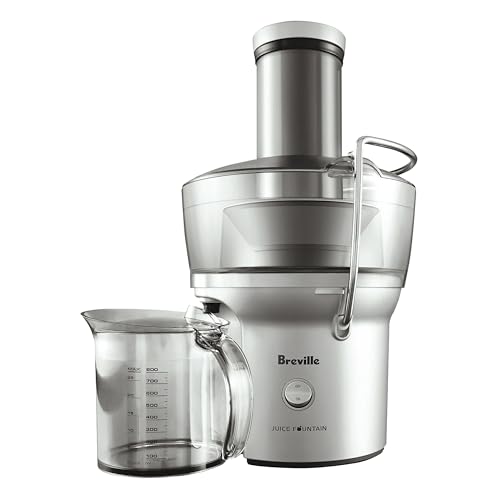
| Juicer or blender | Yes | The machine itself | Juicers, blenders |
|---|
| Produce brush | Yes | FDA: scrub firm produce under running water | Prep tools |
|---|
| Cutting board and knife | Yes | Produce must be cut to fit the chute | Board guide |
|---|
| Juice jug or bottles | Yes | To hold what you make | Bottles |
|---|
| Cleaning brush | Yes | Screens clog within minutes | Cleaning |
|---|
| Storage containers | Helpful | Prep ahead, store pulp | Containers |
|---|
| Citrus juicer | Optional | If you use a lot of lemons | Citrus |
|---|
| Travel cup | Optional | If you carry drinks | Travel cups |
|---|
| Recipe book | Optional | We have measured recipes free | Recipes |
|---|
What to buy first, and what to wait on
Buy the machine and the brush first. Use the first two weeks to learn what you actually make, then add what is missing. A starter budget goes to the machine and one good brush; containers can be jars you already own. Our cost guide works through the numbers without inventing prices, and the equipment checklist guide is the longer version of this table.
Common beginner mistakes
- Buying a machine before knowing the produce. Choose by what you will juice.
- Skipping the brush. A clogged screen is the top reason people stop.
- Too much fruit. Fruit adds sugars; see our low-sugar recipe for a vegetable base.
- Storing juice for days. No official time exists for homemade juice.
- Ignoring counter space. Measure.
More in common beginner mistakes.
Small kitchens and dorms
If space is tight, choose a compact machine with few parts and store it on a shelf you can reach; a juicer that lives in a cupboard is a juicer that stays there. See small kitchen setup and the dorm guide.
Food safety from day one
Wash produce, wash your hands and surfaces, and keep juice cold. Unpasteurized juice can carry a risk for young children, older adults, pregnant people and anyone with a weakened immune system, as FDA notes. Our recipe and nutrition disclaimer sets out what we do not claim.
Planning a budget without inventing prices
We do not show prices because they change by store and week. A way to plan is to list what you need from the checklist, look up each item yourself, and add a line for produce. Produce is the recurring cost: use the juice planner to total a week of recipes in pounds and enter the prices you see at your store. A cheaper machine that you stop using because it is hard to clean is a poor deal, and one you use every day pays back in a way a sticker price cannot show.
A first-week routine
- Day 1: read the manual, wash all parts, run water through the machine.
- Day 2: make one measured recipe, such as celery juice, and time yourself.
- Day 3: add a second recipe, and rinse the machine within two minutes of finishing.
- Day 4: try prepping produce for two days at once.
- Day 5 to 7: adjust amounts, and decide whether you want a blender recipe too.
Our first week guide explains what to expect, without health promises.
Deciding between a juicer and a blender first
If you want a smooth, thick drink with fibre and little cleanup, start with a blender. If you want a thin drink with the fibre removed and are happy with prep and cleanup, start with a juicer. Our juicer vs blender guide weighs them; neither is a health claim, only a preference in texture and effort. Many people end up with both, and it is fine to begin with one and add the other after a month. The smoothie calorie calculator shows the numbers for blended recipes.
What our recipes ask you to own
The simplest way to decide what to buy first is to see what the recipes need. 10 of our 12 recipes call for a juicer; 2 need only a blender. If you already own a blender, you can start with the blender recipes and buy nothing.
Our cost guide lists what to buy and what to skip.
Washing produce properly
FDA's advice is simple: wash your hands, rinse produce under running water, scrub firm items with a brush, and use no soap or bleach. Cut away bruised spots, and dry with a clean towel. This applies to produce you peel as well, since the knife carries surface dirt into the flesh. Homemade juice is not pasteurized, so people who are pregnant, older, young or immunocompromised should follow the FDA juice safety guidance on our storage guide.
A first-session plan
- Choose one recipe from the table that matches the appliance you own.
- Wash and prep the produce, and set out the bottle and brush.
- Make a single serving and note how long the prep and clean-up took.
- After a week, decide whether to buy anything else.
Timing yourself on the first sessions tells you more than any product page.
Where it will live
An appliance you can reach is an appliance you use. Decide the spot before you buy: counter height under the cabinet, a plug nearby, and a sink close for rinsing. Juicers and blenders both leave pulp or residue, so keep a bowl for scraps and a towel under the spout. Our small kitchen guide shows a layout for tight spaces.
Buy in this order
- A produce brush and a sharp knife and board, if you do not own them.
- Your first appliance: juicer or blender, according to the recipes you want to make (see the table above).
- A cleaning brush that fits the screen or the jar.
- One or two glass bottles for carrying or storing a serving.
- A recipe book only if the free recipes stop being enough.
Each step can wait until the one before it has been used for a month. Most people never need the last item.
What to skip at first
Skip specialist gadgets, extra attachments and a stack of storage until you know what you actually make. Skip supplements and powders sold as juice add-ons: we do not list them. A beginner needs a way to wash produce, a way to turn it into a drink, a way to clean the appliance and a bottle.
Category picks
- A starter bundle: juicer or blender, brush and a jug.
- Produce brush and board set.
- Starter glass bottle set.
The cards below link to Amazon searches for these categories.
Who each choice is for
Total beginners
The checklist, in order.
Budget starters
Machine, brush and jars you own.
Small kitchens
Compact, few parts.
Questions this page answers
What do I need to start juicing?
A juicer or blender, a produce brush, a board and knife, a jug or bottle and a cleaning brush.
Can I start with a blender instead of a juicer?
Yes: our 2 blender recipes (green smoothie, green lemonade) need no juicer. They keep the fiber, which a juicer removes.
Sources: FDA, juice safety.
General buying information, not medical or nutrition advice. We have not tested these products hands-on; specs come from the maker pages named above. See how we choose.