Recipe · Updated November 14, 2026 · By Editorial Team
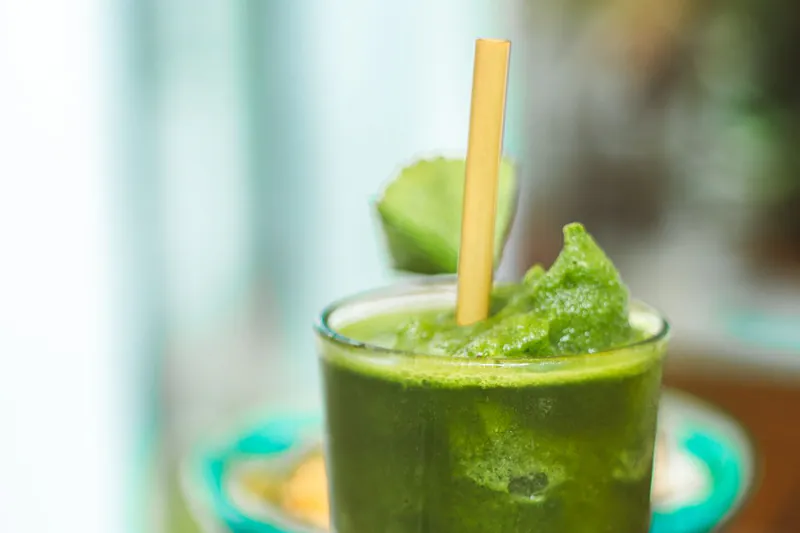
Mean green juice
Quick answer. Juice 4 packed cups of kale, 6 celery stalks, 1 cucumber, 2 medium green apples, 1 peeled lemon and a 1/4 cup of sliced ginger. It makes at least 22 fl oz (650 ml) for 2 glasses, about 20 minutes, with 25 g of sugars per glass.
Mean green juice
Makes at least 22 fl oz (650 ml) (2 servings)
Serving size 1 serving = at least 11 fl oz
Time 20 min (15 min prep)
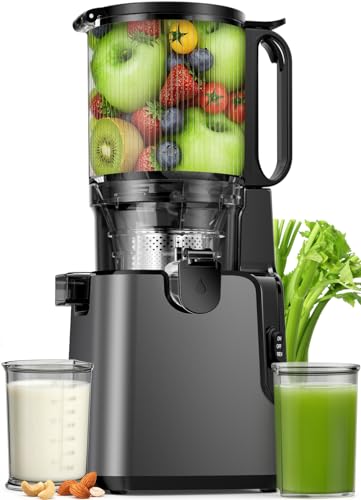
Equipment Juicer with a wide chute is easiest; cutting board, knife
Ingredients
US
Metric
Ingredient
4 packed cups
84 g
kale, stems trimmed
6 medium stalks
240 g
celery
1 cucumber (about 8 in)
301 g
cucumber, scrubbed
2 medium
364 g
green apples, cored
1 medium
71 g
lemon, peeled
1/4 cup slices
24 g
ginger, unpeeled
Nutrition estimate
Per serving (1 of 2), estimate
Calories
170
Sugars
25 g
Fiber
not estimated (juicing and straining remove most of it)
Vitamin K
227 µg (190% DV)
Potassium
970 mg
Calculated from USDA FoodData Central values for the raw whole produce, before juicing. An estimate, not a lab analysis.
Steps
Wash and scrub everything. Trim the kale stems and core the apples. Peel the lemon.
Cut the celery, cucumber and apples into lengths that fit the chute. Keep the ginger in slices.
Juice in this order: kale bundle, celery, apple, ginger, cucumber, lemon, then a last handful of celery to clear the screen.
Stir the jug, pour into two glasses, and clean the juicer while the pulp is wet.
Storage. There is no official storage time for homemade juice, so we do not give a day count. Drink it right after making. If you must store it, use an airtight container filled to the top, keep it in a refrigerator at 40 °F (4 °C) or below and finish it as soon as you can, or freeze single servings straight after making and treat thawed juice like fresh juice.
Unpasteurized juice. Homemade and raw juice is not pasteurized. Pregnant people, young children, older adults and people with weakened immune systems should drink it right after making it from washed produce, or choose pasteurized juice. Source: FDA, Talking About Juice Safety.
Vitamin K. Kale, spinach and other greens are high in vitamin K. People on warfarin should keep intake steady and talk to their doctor before starting daily green juice. Source: NIH Office of Dietary Supplements, Vitamin K fact sheet.
Sugar. Juice keeps the sugar and loses most of the fiber. People managing blood sugar should favour vegetable-heavy, low-fruit recipes and ask their doctor. Source: CDC, Rethink Your Drink.
Share of the produce weight, water left out. Percentages are of 1084 g.
kale8%84 g
celery22%240 g
cucumber28%301 g
apple34%364 g
lemon7%71 g
ginger root2%24 g
Make it in a blender
Work in two rounds so the jug is not overfilled: half the ingredients with 120 ml (1/2 cup) of water each time.
Blend each round for 60 seconds, strain through a nut milk bag, and combine the two jugs. Stir before pouring.
Swap table
Each row swaps one ingredient for the same weight of another (or leaves it out) and shows what changes in the serving. The numbers come from USDA values, not from taste.
Change per serving for each swap, same weight, computed from USDA values
Swap
How
Sugars
Calories
Vitamin K
apple → cucumber
Replace the apples with cucumber, same weight.
−15.9 g
−67 kcal
+26 µg
kale → spinach
Same weight of spinach.
−0.2 g
−5 kcal
+39 µg
ginger root → leave out
Leave the ginger out.
−0.2 g
−10 kcal
0 µg
Notes on this recipe
The old recipe name is the only thing kept: these amounts are ours, set in grams so a second batch comes out the same.
Two apples are most of the sugars. The swap table shows what the cucumber version does to the number.
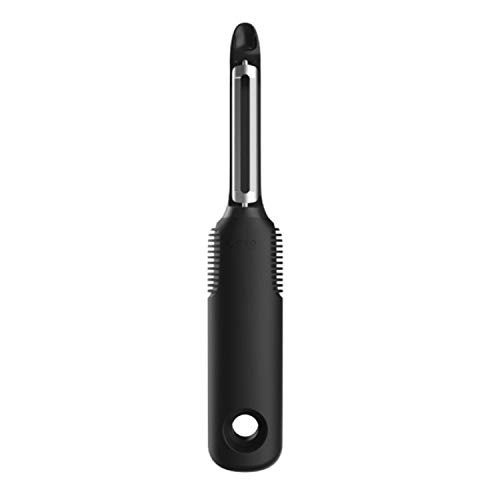
Juicing gear on Amazon
Sponsored
As an Amazon Associate, GreenJuiceADay earns from qualifying purchases. See our affiliate disclosure.
Prices and availability were accurate when retrieved from Amazon and may change. Retrieved Nov 14, 2026.
How the numbers are worked out
Amounts are weights in grams; the cup and spoon equivalents come from USDA portion data. Yield is a minimum: it counts the water, citrus (from our citrus data) and the produce that has a figure in the planner's juicer-maker table, and leaves out ginger. It changes with your juicer and with how fresh the produce is. Checked 2026-11-14.
This article reflects independent editorial research and disclosed buying criteria. This is not medical, nutritional, or professional advice. Some links on this page are Amazon Associates affiliate links; see our affiliate disclosure for details.