What glass containers do well for juicing prep
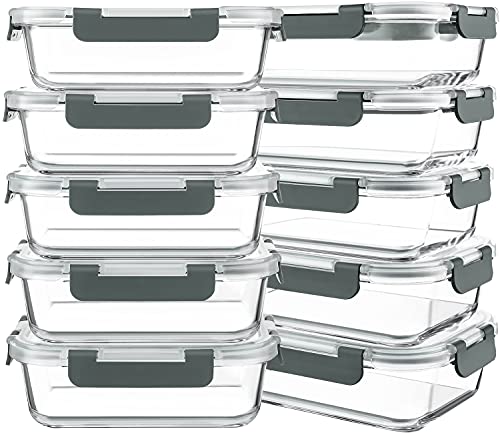
Prep is half of juicing: washing, trimming and cutting produce so it is ready to feed into a chute. Glass containers help with three jobs. They hold washed and cut produce in the fridge for a few days, so the morning session is quick. They hold finished juice in a clean, non-porous container. And they hold pulp, which many people keep for soup or baking. Glass does not stain from beet or carrot and does not absorb smells from ginger or onion, and you can see at a glance what is inside.
The trade-offs are weight and breakage. For a fridge shelf that does not matter; for a bag it does, and our juice bottles hub and travel cups hub cover carrying. The glass vs plastic storage guide compares the materials for chopped produce.
Container sizes against real amounts
A container is the right size when the produce fits with a little room left at the top. The table uses US cups, the millilitres we calculated (1 cup = 236.6 ml), and USDA portion weights from our produce data to show what a size holds. Celery chopped weighs about 101 g per cup; spinach about 30 g per packed cup; kale about 21 g per cup.
Capacities are what lidded glass containers are commonly sold in. 'Holds about' is our calculation from USDA portion weights.| Container | Millilitres | Holds about | Typical use |
|---|
| 1 cup | 237 ml | About 100 g chopped celery, or 30 g packed spinach | Ginger, herbs, lemon wedges |
|---|
| 2 cups | 473 ml | About 200 g chopped celery | A day of greens for one |
|---|
| 4 cups | 946 ml | About 400 g chopped celery | Celery and cucumber for two days |
|---|
| 8 cups | 1893 ml | A bunch of greens, loosely packed | Weekly prep, pulp |
|---|
Our container sizes guide goes through typical sizes for meal prep, with a worked example.
Lids, seals and venting
The lid is what fails first. Four kinds are common: a snap-on plastic lid with a silicone gasket (the most common; the gasket holds the seal, so it must be removed and washed), a screw-on lid (tight, but the thread collects pulp), a hinged lock lid with a gasket (strong seal, more parts), and a vented lid (for microwaving, not for storage). Look for lids that are dishwasher safe and for gaskets that come off, because a stuck gasket smells in a month. If you freeze, use a container rated for the freezer and leave headspace.
Freezing juice and prep in glass
Liquid expands as it freezes, and a full glass jar can crack. Use containers rated for the freezer, leave at least an inch (2.5 cm) of headspace, and cool juice first. Freeze in portions of one serving so you thaw only what you will drink. We do not give a freezer time for homemade juice because no official figure exists; the storage chart explains what the sources say. Chopped produce can be frozen on a tray before it goes into a container, which stops it clumping.
Washing and drying
Rinse containers as soon as they are emptied. Wash glass bodies in the dishwasher or by hand; wash gaskets and lids by hand if the maker says to. Air-dry with the lid off so no moisture is trapped. A paste of baking soda and water lifts beet and carrot stains from plastic lids; glass bodies rarely stain. Never put a hot container straight into cold water, because thermal shock can crack glass.
Food safety for stored prep
Wash produce under running water before you cut it, as FDA advises, and keep cut produce cold. Do not store cut melon or leafy greens at room temperature. Juice made at home is unpasteurized and has no official storage time, so we give a conservative rule instead of a day count in the storage guide. When in doubt, throw it out.
A weekly prep routine
A routine makes containers earn their space. On one day a week, wash and trim the produce that keeps well: celery, carrots, cucumbers, ginger, lemons. Cut them to the size your chute takes, dry them on a clean towel, and pack them in lidded glass containers lined with a paper towel to absorb moisture. Keep leafy greens separate and loosely packed, since crushed leaves turn slimy. On juicing mornings you take a container, juice, and rinse the parts.
The saving is real. In our basic green juice, the work is washing and cutting six ingredients totalling about 680 g. Doing the cutting once for several days cuts the daily time to the juicing itself. Use the juice planner to see how much produce a week needs and size your containers from the weights, not from guesswork.
Storing pulp
Juicing leaves pulp, and many people keep it. Pulp from vegetables can go into soups, stock, veggie burgers or muffins; fruit pulp can go into baking or the compost. Store it cold in a lidded container and use it soon, because wet pulp spoils quickly; freeze it in portions if you will not use it within a day or two. Do not keep pulp that smells sour. If you have no use for it, a compost bin is the simplest answer. A small 1 or 2 cup container with a tight lid is the right size for a single session's pulp.
Labelling and rotation
A strip of masking tape and a marker is the cheapest system: write the date you prepared the item and use the oldest first. Keep containers at the front of a shelf so you can see them. Stack containers of the same lid shape, which also makes lids easier to match when they are washed. Replace a container whose lid no longer closes tightly, and discard anything with a stuck smell.
A week of basic green juice prep
If you juice our Basic green juice daily, the weekly prep is seven times each amount. The table does that sum and, where USDA lists a one-cup weight, converts it to cups so you can see which containers you need.
Seven times the recipe amounts; cup weights from USDA FoodData Central. Whole fruit and ginger are stored whole or in a small container.| Ingredient | One serving | Seven days | In cups (USDA cup weight) |
|---|
| cucumber | 1 cucumber (about 8 in) | 2100 g | not given by USDA as a cup |
|---|
| celery | 3 medium stalks | 840 g | 8.3 cups (1 cup chopped) |
|---|
| spinach | 1 packed cup | 210 g | 7.0 cups (1 cup) |
|---|
| green apple | 1 medium | 1274 g | 10.2 cups (1 cup, quartered or chopped) |
|---|
| lemon | 1/2 lemon | 245 g | 1.2 cups (1 cup, sections) |
|---|
| ginger | 5 slices (1 in across) | 77 g | not given by USDA as a cup |
|---|
Chopped celery needs the largest container; spinach is light by weight but bulky, so keep it separate and loosely packed.
Match the lid to the job
Use a snap lid with a gasket for wet produce and a plain lid for dry items such as ginger. Keep a separate container for anything with a strong smell, such as cut onion or raw herbs, so it does not flavour the celery. Replace a lid that has warped in the dishwasher; a lid that does not seat is the usual cause of a smell in the fridge.
Category picks
- Set of 2 to 4 cup glass containers with snap lids. The workhorse for chopped produce.
- Single large 8 cup container. For a weekly bunch of greens.
- Freezer-safe small portions. For single-serving juice.
- Glass jars with screw lids. For pulp and herbs.
The cards below link to Amazon searches for these categories.
Who each choice is for
Prep-ahead juicers
Two to four cups, snap lids, a few of each.
Households of several
Larger sizes and a label pen.
Freezer users
Containers rated for the freezer, with headspace.
Carry-around users
Go to bottles instead.
Questions this page answers
Is glass or plastic better for chopped produce?
Glass does not stain or hold odours; plastic is lighter. See the comparison.
Can I freeze juice in a glass jar?
Only in one made for the freezer, with headspace; otherwise it can crack.
How long does chopped produce keep?
We do not give a day count; see the storage guide and follow FDA advice to keep cut produce cold.
How many containers does a week of juice prep take?
For our basic green juice, one container for chopped celery, one for chopped cucumber and apple (kept apart if you cut them early), and a small one for ginger. Spinach goes in its own container.
Sources: FDA, juice safety; USDA FoodData Central.
General buying information, not medical or nutrition advice. We have not tested these products hands-on; specs come from the maker pages named above. See how we choose.