What a personal blender is for
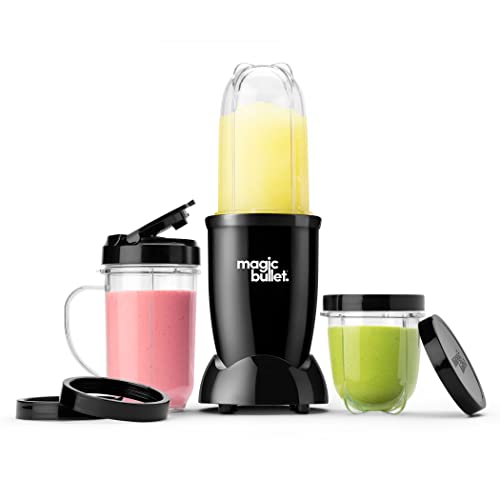
A personal blender is a compact blender where the cup you blend in doubles as the cup you drink from. You fill the cup, screw the blade assembly on, flip it onto the motor base, blend, then unscrew the blade and drink or carry it. There is no jug to pour from and less to wash, which is why it is the usual first blender for one-person households.
It is not a replacement for a full-size or high-speed blender. The cup is small, so you cannot batch, and a lower-powered base struggles with a lot of frozen fruit, ice or fibrous greens. Our personal vs countertop guide weighs the two, and this guide is written for solo kitchens.
Cup size: how much one smoothie needs
Our green smoothie makes about 20 fl oz for two servings, so one serving is about 10 fl oz. A larger cup gives you headroom for leaves and ice. The table converts common cup sizes to millilitres and shows what they hold in practice, using our recipe yields.
Common cup sizes. The fit column is our calculation from recipe yields.| Cup size | Millilitres | Fits | Note |
|---|
| 12 fl oz | 355 ml | One small smoothie | Tight for leafy greens; little headroom |
|---|
| 16 fl oz | 475 ml | One of our green smoothie servings (about 10 fl oz) with room | A comfortable minimum for one |
|---|
| 20 to 24 fl oz | 590 to 710 ml | One generous serving, or most of the two-serving recipe | The sweet spot for one person |
|---|
| 32 fl oz | 945 ml | The full two-serving recipe | Check that the cup fits your cupholder if you travel |
|---|
Do not fill past the max line: liquids and frozen fruit expand when blended, and leaks come from overfilling. More detail: cup sizes explained.
Motor power
Watts describe the motor. Personal blenders are sold across a wide wattage range, and the number is only part of the story: blade design, cup shape and speed control matter as much. A lower-watt base is fine for soft fruit, yoghurt and a handful of spinach. Frozen fruit, ice and kale put more load on it, and it may need more liquid, more time or pulsing. Our wattage explainer sets out the trade-offs, and we do not treat wattage as a quality rating. We have not confirmed any maker's wattage in this update, so we show none.
Blades, cups and cleaning
The blade assembly is the part that screws onto the cup. Look for a gasket that is removable, because trapped smoothie in a fixed gasket is the main cleaning problem. A wide-mouth cup is easier to scrub. Rinse right after blending and wash the blade assembly with a brush; do not put your fingers near the blades. Check whether the cup, lid and blade are dishwasher safe, as it varies. The produce preparation hub and cleaning accessories hub list brushes worth owning.
Layering for a smoother result
Order matters in a small cup. Put liquid in first, then soft items, then leaves, and frozen fruit last, so the blades reach the liquid first and pull everything down. For a spinach smoothie that means coconut water, banana, spinach, and then frozen pineapple on top. If the blend stalls, stop, shake the cup, and add a splash of liquid. The smoothie calorie calculator shows what a given mix adds up to, using USDA values.
Personal blender versus a juicer
A blender keeps the whole fruit or vegetable and its fibre; a juicer removes most of it. Neither is better in a way we can claim; they make different drinks, and the choice is about texture, prep time, cleanup and what you want to drink. Our juicer vs blender guide compares them side by side, and the juicers hub covers the other side.
Common mistakes with personal blenders
- Overfilling. Filling past the max line is the main cause of leaks and stalled blades.
- Running too long. Small motors heat up; blend in bursts of 30 to 60 seconds and let it rest.
- Putting leaves at the bottom. They wrap around the blade; liquid first, leaves next.
- Not cleaning the gasket. Trapped smoothie turns sour and smells.
- Expecting a juice. A blender makes a whole-food drink with fibre; a juice needs a juicer.
For a measured first blend, try our green smoothie; for a lower-sugar start, the low-sugar green juice is a juicer recipe, but its ingredients can be blended and strained.
What goes in the cup, in order
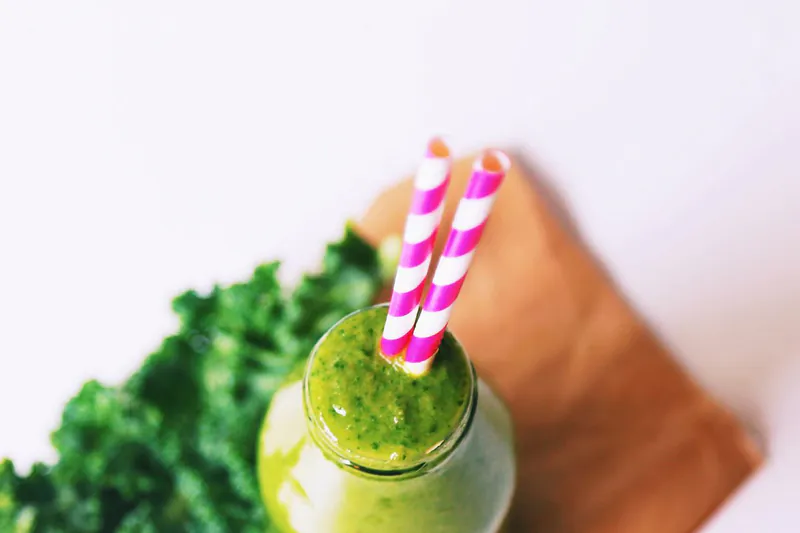
Our two-serving Green smoothie is a useful test of cup size: all four ingredients together weigh 583 g and make about 20 fl oz (580 ml). A personal cup of 24 fl oz holds one serving with room; the full batch needs a 32 fl oz cup or two rounds. The loading order below puts liquid first so the blades reach it.
From our green smoothie recipe data. Liquid first, soft fruit next, leaves last under the fruit.| Order | Ingredient | Amount | Weight |
|---|
| 1 | coconut water | 1 cup | 240 g |
|---|
| 2 | banana, peeled | 1 medium | 118 g |
|---|
| 3 | pineapple, fresh or thawed | 1 cup chunks | 165 g |
|---|
| 4 | spinach | 2 packed cups | 60 g |
|---|
If a cup stalls, add water two tablespoons at a time, as the recipe steps say.
Choose in four steps
- Pick a cup from your serving. One of our smoothie servings is about 10 fl oz; the cup should be at least double that to leave room for leaves and ice.
- Check the blade assembly comes apart. A removable gasket is easier to clean.
- Check for a to-go lid if you drink away from home.
- Plan for frozen fruit. If you add it daily, look at the high-speed hub.
A daily routine that keeps the cup clean
Blend, pour, rinse. Fill the empty cup with warm water and a drop of dish soap straight after drinking, screw the blade assembly on, run it for ten seconds, and rinse. That one step prevents dried smoothie on the blades. Once a week, take the gasket out, wash it separately and let every part dry upright, so no damp air is trapped under the lid. Spinach and banana stain plastic cups slightly; a soak in warm water with baking soda lifts most of it.
If the cup stalls: four fixes in order
- Stop and shake the cup upside down on the base to drop food onto the blades; air pockets are the usual cause.
- Add liquid two tablespoons at a time, as our smoothie recipe steps say.
- Remove a handful of the frozen or fibrous items, then blend in bursts of 30 seconds.
- If it still stalls, the cup is overfilled: pour out to the max line and blend in two rounds.
Let the motor rest between rounds. Small motors heat up, and a warm base is a sign to stop for a minute.
Cost of owning one: what to compare
Price is only the start. Look at what replacements cost: a spare cup, a spare blade assembly and a spare gasket. A model with cheap, available spares lasts longer than one whose cup is sold only as part of a set. Check also how loud it is in your kitchen; makers rarely publish a decibel figure, so reviews of the sound from owners are the only guide we can point to, and we do not quote them.
Category picks
- Single cup, 20 to 24 fl oz, with a to-go lid. The default for one person.
- Two-cup set (small and large). For a shake and a sauce, or for two people.
- Personal blender with pulse and a stronger base. If you add frozen fruit daily.
The cards below link to Amazon searches for these types; they are not endorsements of one listing.
Who each choice is for
One smoothie a day
A 20 to 24 fl oz cup and any reasonable base.
Cooking for several
A full-size jug blender, not a personal cup.
Questions this page answers
What size personal blender cup do I need for one smoothie?
About 16 fl oz is a comfortable minimum and 20 to 24 fl oz is the sweet spot for leafy greens and frozen fruit.
Can a personal blender handle spinach and kale?
Spinach, yes, in most; kale is tougher. Add liquid first and blend longer. See the green smoothie buying guide for the next step up.
Do you name a best model?
Not here. We have not read a maker spec page for a personal blender in this update, so we give categories.
Can a personal blender make a two-serving smoothie?
Only in a cup of about 32 fl oz; our two-serving green smoothie makes about 20 fl oz before ice, so smaller cups need two rounds.
Sources: USDA FoodData Central.
General buying information, not medical or nutrition advice. We have not tested these products hands-on; specs come from the maker pages named above. See how we choose.