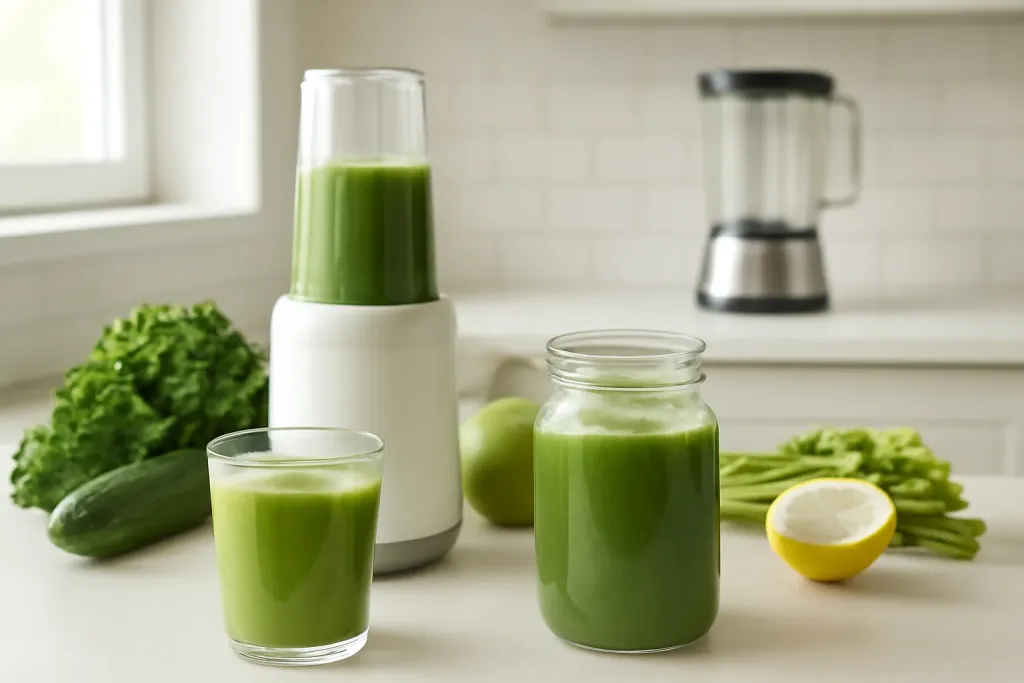
What Personal Blender Cup Size Means
When people search for personal blender cup sizes, they usually want a simple answer: how much should the cup hold, and what will that mean in daily use? The answer depends on what you blend most often, how many ingredients you add, and whether you plan to drink from the cup or pour the blend into another container.
Personal blender cups are typically smaller than full-size blender jars and are designed for one-serving recipes. That makes them convenient for smoothies, quick green blends, protein shakes, and frozen fruit drinks. In practice, cup size affects more than total volume. It also affects how easy the cup is to pack, how much room you have for leafy greens or ice, and whether the finished drink can be blended without overfilling.
For beginners, it helps to think in everyday terms rather than only ounces or milliliters. A cup that looks small may still be enough for a straightforward smoothie. A larger cup may feel more flexible, but if you only make one drink at a time, it can also be more than you need. The best choice usually balances convenience, ingredient load, and storage space.
Common Capacity Ranges You Will See
Most personal blender cups fall into a few broad size ranges. Smaller cups are often best for compact single servings, while larger cups give you more room for extra ingredients and thicker blends. Knowing the general range can help you narrow the options before comparing machines.
- Small cups: roughly 12 to 16 ounces. These suit light smoothies, simple fruit blends, and smaller portions.
- Medium cups: roughly 18 to 24 ounces. This is a common range for one full smoothie or a drink that includes greens, frozen fruit, and liquid.
- Larger personal cups: roughly 28 to 32 ounces or more. These can handle bigger servings, but they are not always necessary for everyday use.
Because manufacturers may list cup capacity in ounces, cups, or milliliters, it is worth checking the exact measurement system used in the product listing. A cup size that looks similar across brands may not be identical in practice. Shape also matters. A tall, narrow cup and a shorter, wider cup can hold the same volume but behave differently when filling, stacking, or cleaning.
If you are comparing personal blender cup sizes for the first time, start by thinking about the type of drink you make most often. A compact cup may be ideal if you keep recipes simple. If your blends usually include several ingredients, a slightly larger cup can leave more room for layering without forcing you to pack the cup too tightly.
How Cup Size Affects Blending and Ingredient Packing
The size of a personal blender cup changes how ingredients sit in the container and how easy they are to blend. That matters because a cup that is technically large enough can still feel awkward if the ingredient load is too dense or too dry. With smoothies and green blends, there needs to be enough room for liquid to move around the ingredients.
Leafy greens, frozen fruit, nut butters, seeds, and ice all take up space in different ways. A smaller cup may work well for a banana smoothie with liquid and a few add-ins, but it may feel cramped if you add a large handful of spinach, frozen berries, and extra ice. On the other hand, a larger cup can be easier to fill, but it may encourage oversized servings that are more than you want in one go.
For beginner-friendly blending, the goal is not to fill the cup as tightly as possible. It is to leave enough room for circulation and safe operation. Many users find it easier to build from liquid first, then softer ingredients, then heavier frozen items on top, while keeping the fill line in mind. If you prefer thicker blends, a bit more capacity can help because thicker mixtures need room to move.
Cup size also affects how convenient the blender is for storage. A cup that is too large may be inconvenient to carry, store in a fridge door, or fit into a bag. A cup that is too small may require you to blend twice if you want a full breakfast-style smoothie. So the right size is often the one that matches your routine, not the one that looks biggest on paper.
Choosing a Size for Smoothies and Green Juice Blends
If your main goal is smoothies, a medium personal cup is often the most versatile place to start. It usually gives enough room for fruit, greens, liquid, and a few extras without feeling oversized for a single serving. That said, the best cup size still depends on the kind of smoothie you make.
For simple fruit smoothies, a smaller cup can be enough. If you are using just a handful of ingredients and a moderate amount of liquid, a compact cup may be all you need. For green smoothies, a little more room can be useful because leafy greens are lightweight but bulky. Spinach, kale, cucumber, and celery can take up more space than they appear to at first glance.
For green juice-style blends made in a personal blender, cup size can matter even more because many beginners include both produce and liquid. A cup that is too small may leave little room to mix ingredients evenly. A slightly larger cup may be easier when you want a smoother, more drinkable texture. It also gives you more flexibility if you are adding frozen fruit to balance sharper greens.
If you enjoy rotating between fruit-forward smoothies and greener blends, choose a cup that can handle both without feeling cramped. This usually means avoiding the smallest size unless you know your recipes are consistently modest. In many kitchens, one mid-size cup is more practical than several specialty sizes you rarely use.
Browse our recommended products
Our featured picks refresh periodically. While we update them, our editorial guides can help you find the right pick.
See our guidesStorage, Lids, and Daily Convenience
Personal blender cup sizes should be considered alongside storage and lid design. A cup may fit your recipe needs, but if it is awkward to store or carry, it may not be the most convenient option for everyday use. This is especially true for small kitchens, shared refrigerators, and on-the-go routines.
If you plan to blend and go, a cup that doubles as a travel container can reduce washing and transfer steps. In that case, the drinking lid matters just as much as the capacity. Some people prefer a cup that fits neatly into a bag or car cup holder, while others want a size that slides easily into the fridge for short-term storage.
For make-ahead blending, a cup with enough headroom can be useful if you plan to store ingredients before blending or chill a finished drink briefly before serving. But it is still important not to rely on the cup as a long-term storage solution unless the blender system is clearly designed for that purpose.
It also helps to think about cleaning. Larger cups can be easier to rinse if they have a wide opening, while smaller cups may be easier to handle in a compact sink. The shape of the cup, the lid parts, and whether the blending blade assembly comes off all affect everyday convenience. A good capacity in a difficult-to-use cup may not feel like a good choice after a few weeks.
Matching Cup Size to Beginner-Friendly Recipes
For anyone just starting with home blending, a cup that matches simple recipes can make the process feel less confusing. Beginner-friendly smoothies and green juice blends often use a short list of ingredients: fruit, leafy greens, liquid, and a few optional add-ins. The cup should give those ingredients enough room without making the recipe feel overly large.
Here is a practical way to think about it:
- Smaller cups are best for single-fruit smoothies, light blends, or small portions.
- Medium cups work well for standard one-serving smoothies with greens and frozen fruit.
- Larger personal cups can be helpful if you like extra volume, thicker textures, or more add-ins.
If you often make a smoothie with banana, spinach, milk or a plant-based liquid, and frozen berries, a medium cup is usually the most forgiving starting point. If you like to add oats, nut butter, seeds, or multiple handfuls of greens, a larger personal cup may be easier. If you prefer very light blends and smaller servings, you may not need the biggest size available.
Remember that a recipe can be adjusted to fit the cup instead of forcing the cup to fit the recipe. That might mean reducing ice, using less leafy green volume, or choosing a more compact ingredient combination. Matching the cup to the recipe keeps the blender easier to load, blend, and clean.
Cup Size vs. Blender Model Compatibility
One of the most important details in personal blender cup sizes is compatibility. Not every cup fits every base, even if the capacity looks similar. A cup may be the right volume for your needs but still fail to connect properly to the motor base or blade assembly.
Before buying replacement cups or upgrading a starter set, check the brand’s compatibility notes carefully. Look for details on thread type, blade style, lid fit, and whether the cup is intended for the specific blender model you own. If the product listing uses multiple cup sizes in one package, confirm that each cup is designed for the same system rather than simply being a similar-looking container.
This is also where beginners can save themselves confusion. It is easy to assume that a larger cup will be automatically better, but a compatible mid-size cup may serve your everyday recipes more effectively. If you are replacing a lost cup, size alone should not be the only consideration. Matching the original design is usually the safest route.
For households that use blender cups for several purposes, such as smoothies, chopped sauces, or blended breakfast drinks, a consistent system can be more useful than a mix of unrelated containers. That keeps storage simpler and reduces the chance of buying a cup that does not connect as expected.
A Simple Way to Pick the Right Size
If you want a straightforward way to choose among personal blender cup sizes, start with your most common use case. Ask three questions: What do I blend most often? How full do I usually make the cup? And do I want to drink from the same cup or pour into another container?
Then narrow your choice with this practical rule of thumb: choose a smaller cup for minimal recipes and compact storage, a medium cup for everyday smoothie use, and a larger personal cup if you regularly add bulky ingredients or prefer bigger servings. If you are unsure, the middle range is often the safest starting point because it tends to balance ease of use, ingredient room, and versatility.
It can also help to think about routine rather than possibility. A cup that works for an occasional oversized recipe may not be the best match if you mostly make quick, single-serve blends. In most kitchens, the best personal blender cup size is the one you will use easily and often.
Ultimately, the right cup size supports the way you already cook and blend. For home users focused on smoothies, green blends, and simple prep, that usually means choosing a cup that is easy to fill, easy to clean, and large enough to avoid constant overpacking.