Main buying hub

Juicers

Start here if you're shopping for your first juicer or want a general overview before narrowing down to a specific style. This hub covers the full range of home juicer types and links out to focused comparisons for leafy greens, citrus, and specific mechanisms.

Who this hub is for

Beginners choosing between a masticating and a centrifugal juicer, apartment dwellers weighing counter space against juicing speed, and anyone replacing an old juicer who wants a refresher on what actually differs between styles.

What to check before buying

  • Feed chute size: a wide chute reduces prep chopping time; a narrow chute means more cutting before you juice.
  • Pulp handling: some machines eject pulp automatically into a separate bin, others require manual scraping mid-session.
  • Noise and speed: higher-RPM machines tend to run louder and finish faster; slower machines run quieter and take longer per batch.
  • Cleaning time: more parts and finer mesh screens generally mean more time at the sink afterward.
  • Counter footprint: measure your available counter and storage space before ordering -- some juicers are tall and narrow, others wide and low.

See our masticating juicers and centrifugal juicers hubs for a deeper comparison, or our masticating vs. centrifugal guide for a full side-by-side breakdown.

Editorial picks in Juicers

General-purpose juicer picks for shoppers who want a versatile starting point before choosing a specific mechanism.

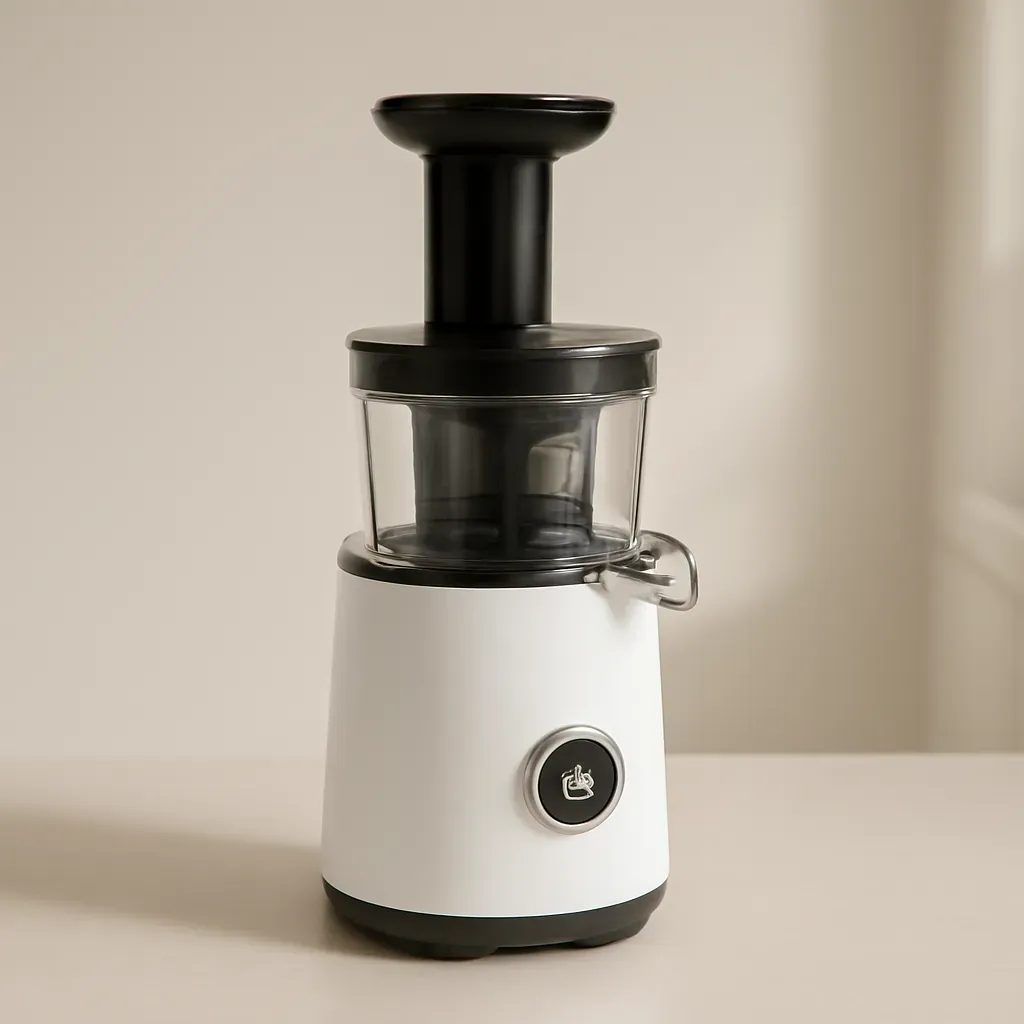
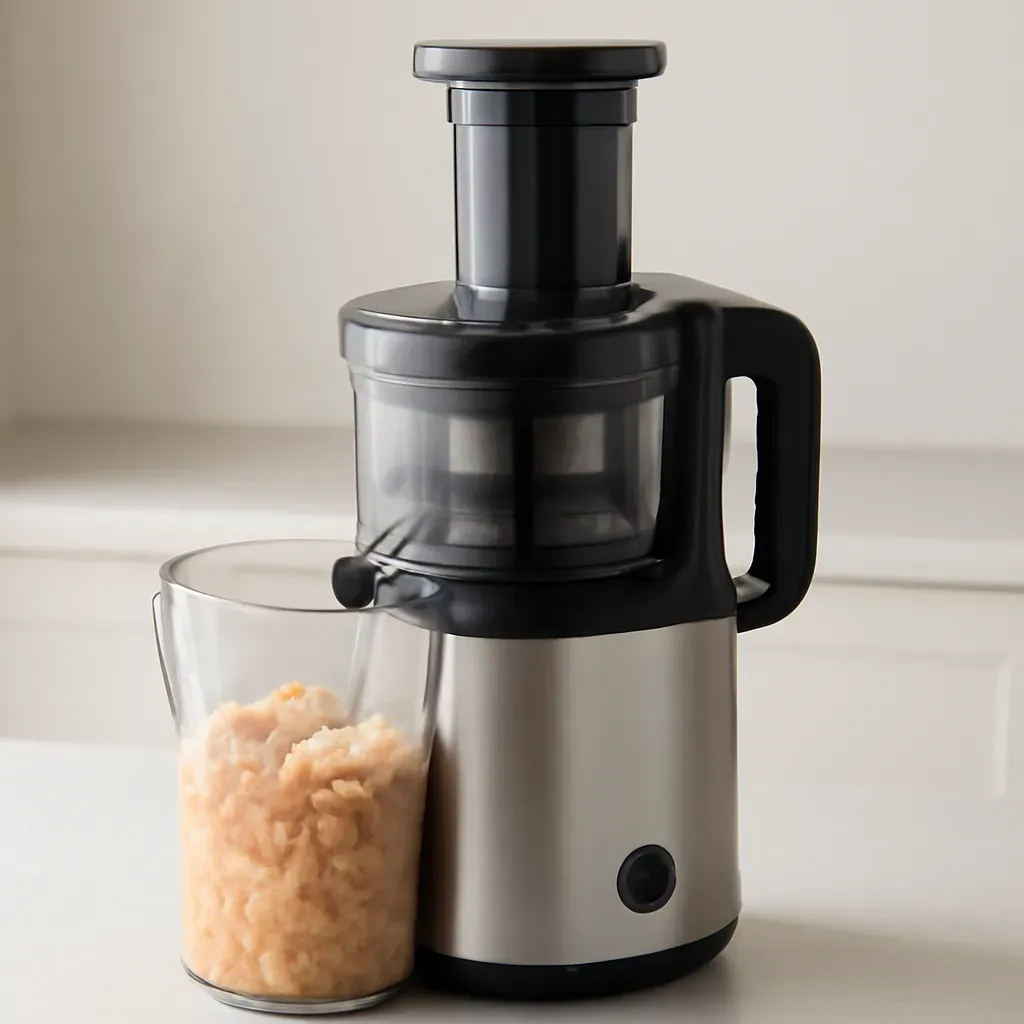
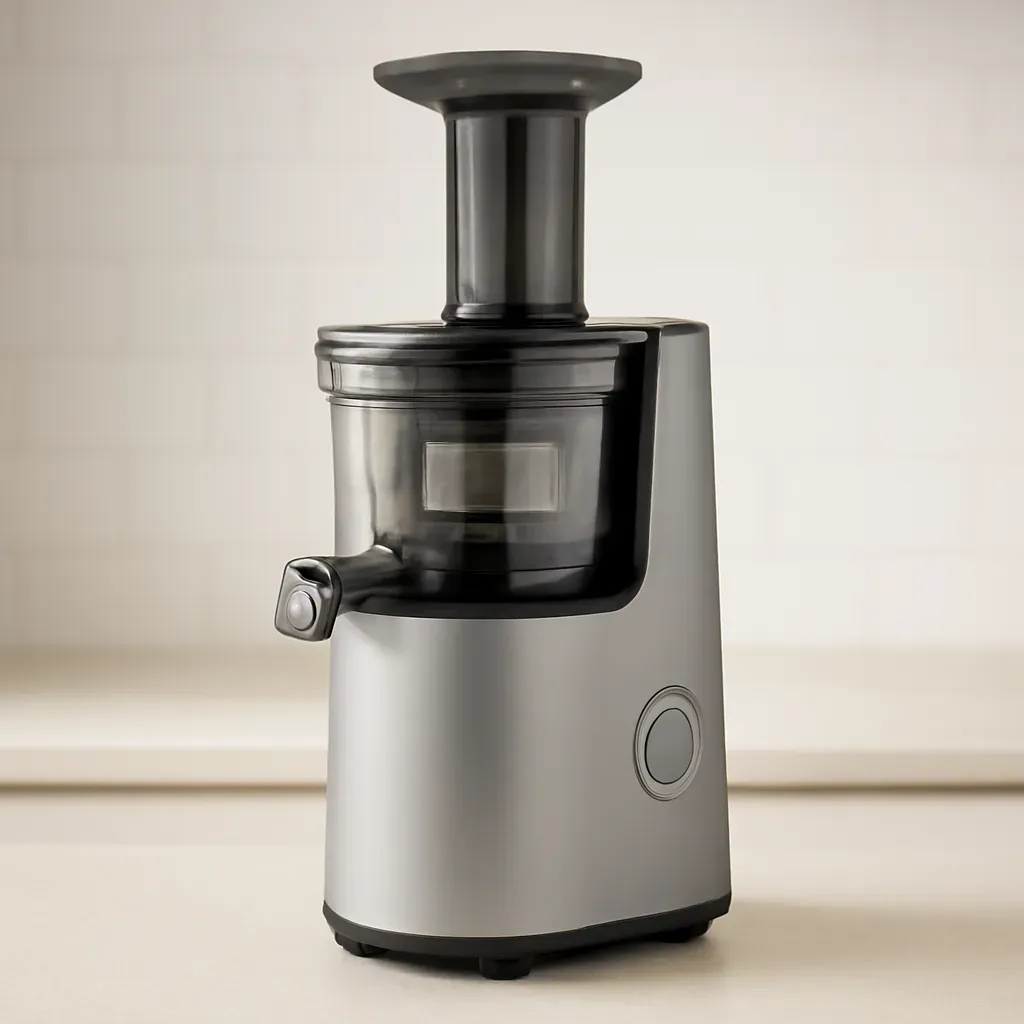
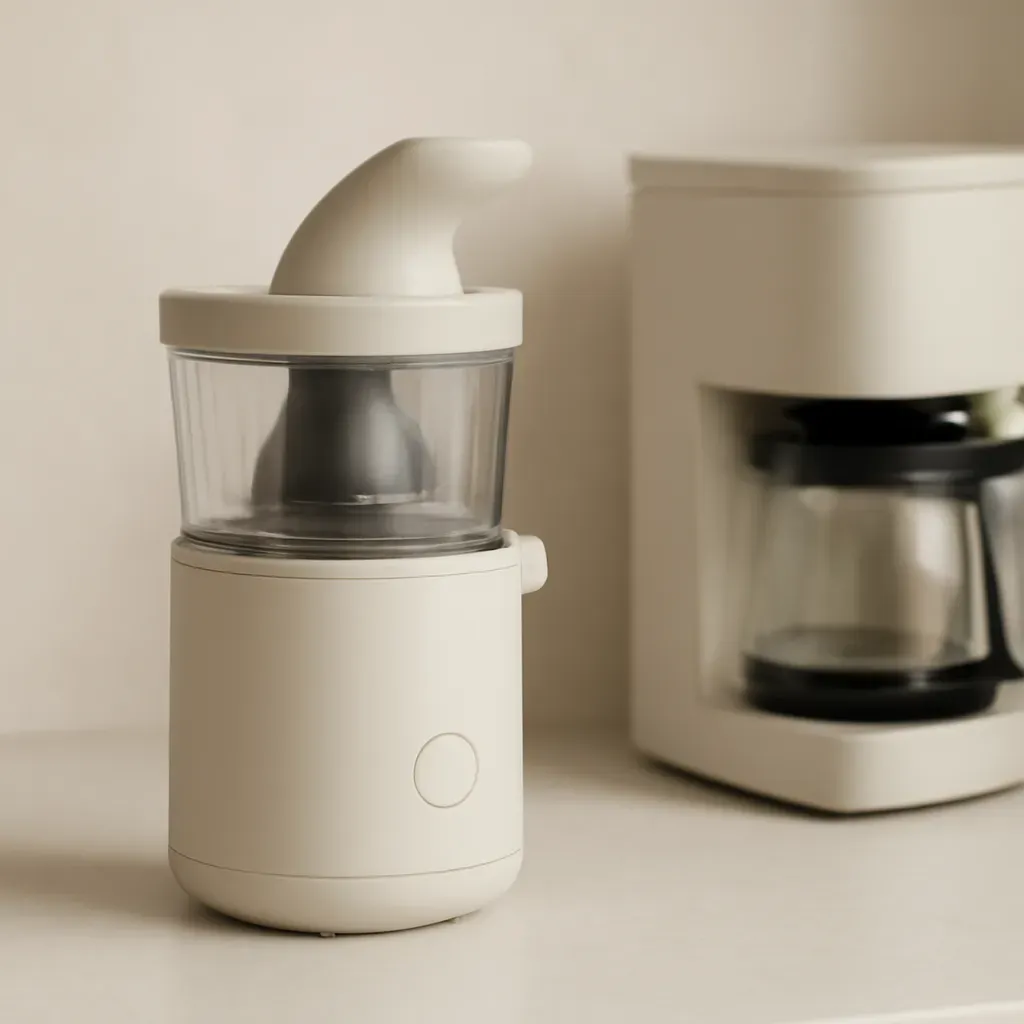
Editorial illustration (not the exact linked listing) of entry-level vertical juicer

Juicers

Entry-Level Vertical Juicer

A compact, general-purpose slow juicer sized for a small counter -- a reasonable first machine while you learn what produce you juice most.

What to check before buying: narrow feed chute means more pre-cutting; check auger material and mesh-screen ease of removal before buying.

View options on Amazon
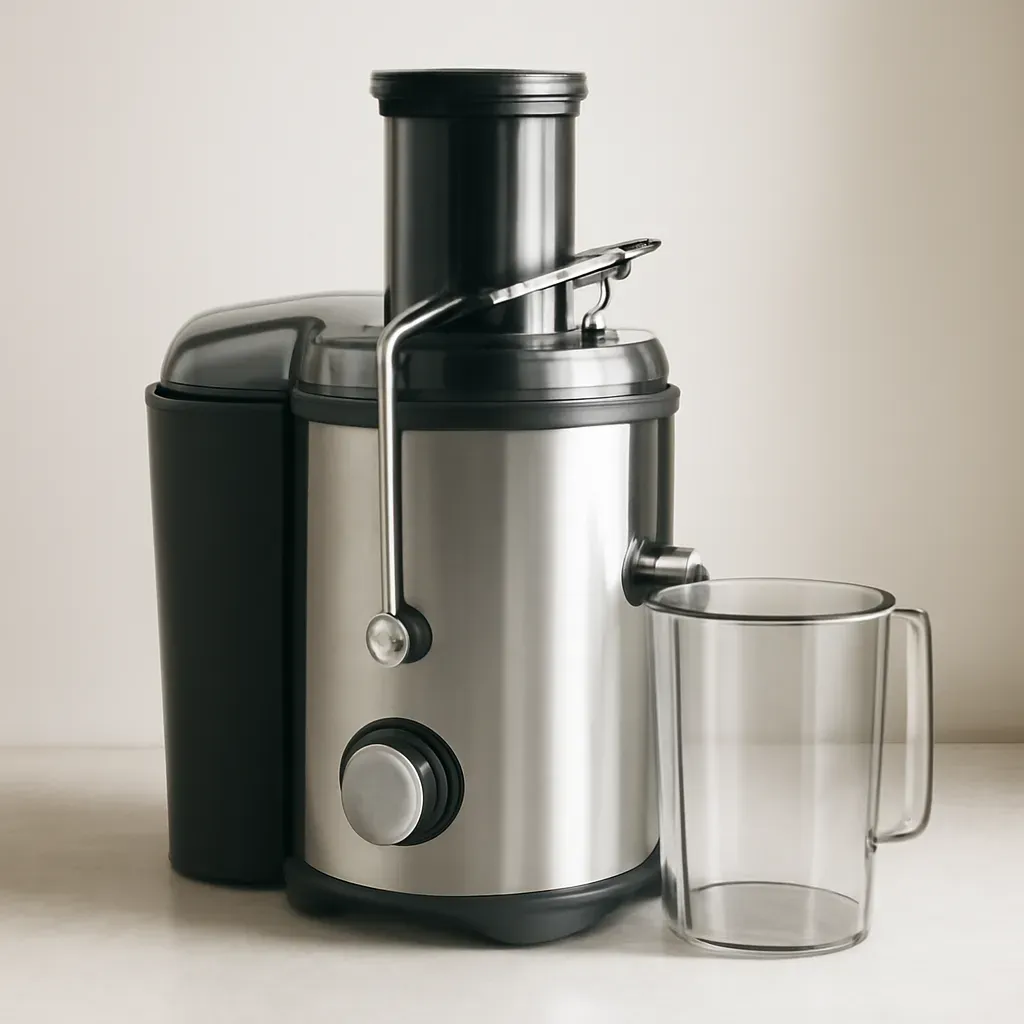
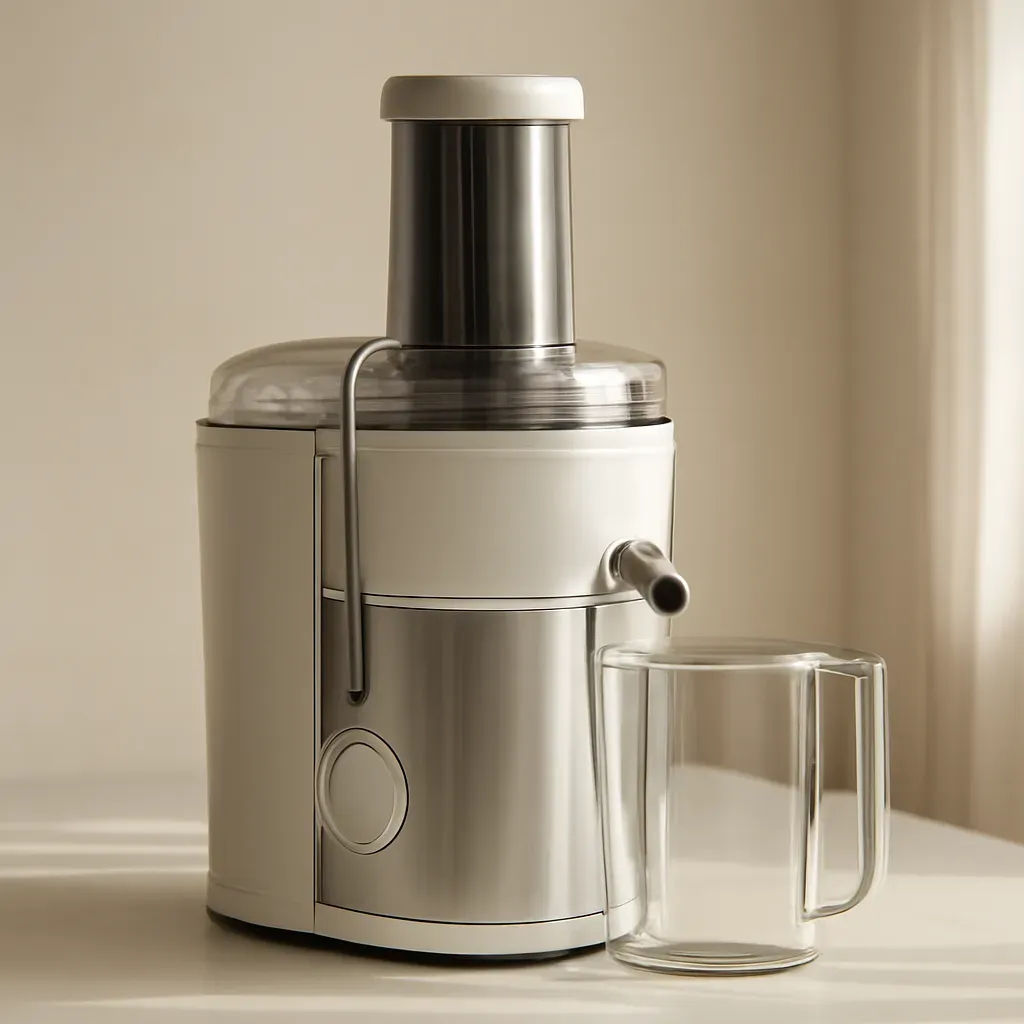
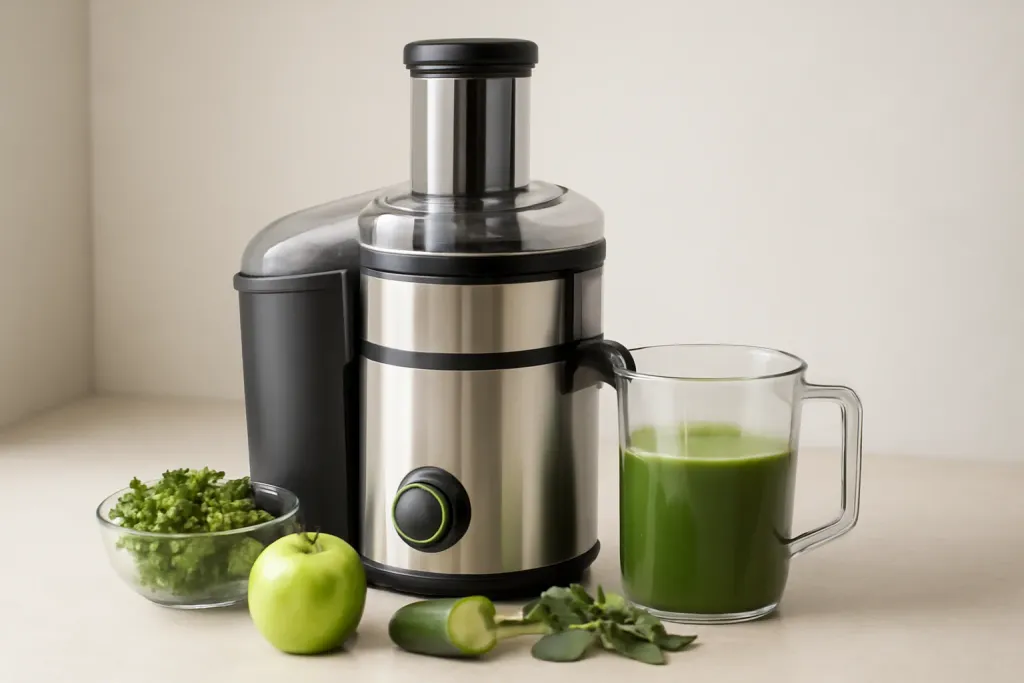
Editorial illustration (not the exact linked listing) of wide-chute multi-speed juicer

Juicers

Wide-Chute Multi-Speed Juicer

A multi-speed juicer with a wide feed chute for shoppers who want to cut prep time by feeding whole or halved produce.

What to check before buying: wider machines take up more counter depth; confirm pulp-bin capacity for larger batches.

View options on Amazon
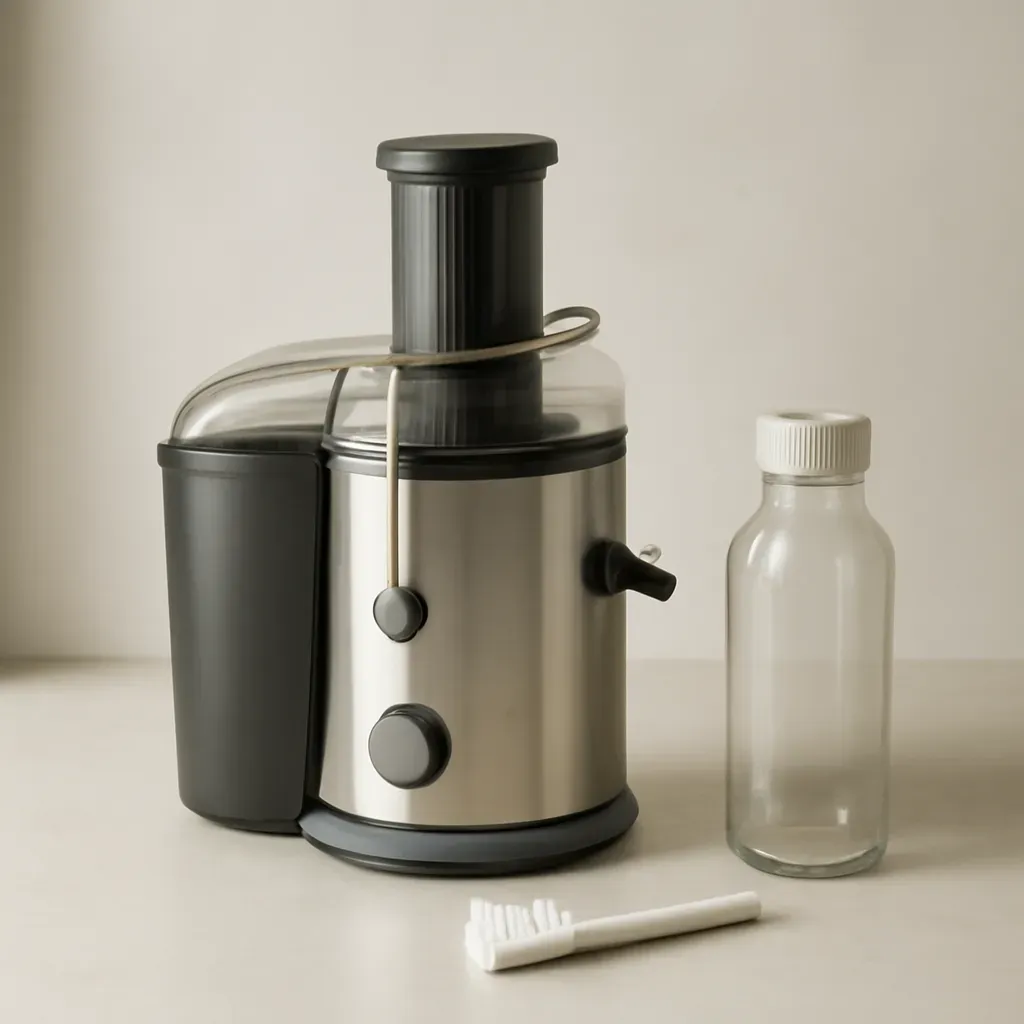
Editorial illustration (not the exact linked listing) of juicer starter bundle

Juicers

Juicer Starter Bundle

A beginner bundle pairing a basic juicer with a cleaning brush and a storage bottle -- useful if you don't already own either.

What to check before buying: confirm the bundled bottle and brush size actually match the juicer model before buying separately.

View options on Amazon
Editorial illustration (not the exact linked listing) of dual-stage extraction juicer

Juicers

Dual-Stage Extraction Juicer

A two-stage juicer that presses produce a second time to extract more juice per batch before ejecting pulp.

What to check before buying: second-stage pressing adds slightly more cleaning surface area; check gasket replacement availability.

View options on Amazon
Editorial illustration (not the exact linked listing) of juicer with reverse/anti-clog function

Juicers

Juicer with Reverse/Anti-Clog Function

A juicer with a reverse function to clear fibrous produce jams without disassembling the machine mid-session.

What to check before buying: reverse function adds a small amount of extra control complexity; useful mainly for fibrous stalks and celery.

View options on Amazon
Editorial illustration (not the exact linked listing) of juicer with extra-large pulp bin

Juicers

Juicer with Extra-Large Pulp Bin

A juicer with an oversized pulp bin for shoppers who juice larger batches and don't want to stop and empty it mid-session.

What to check before buying: larger bins add to the machine's overall footprint; measure counter depth first.

View options on Amazon

Guides in this category