Where each tool is used in a real recipe
Our basic green juice says to wash everything under running water and scrub the cucumber and apple with a produce brush, cut the cucumber and apple to fit the chute, and peel the lemon. That is the whole prep list, and it maps to four tools.
Our reading of the tools each step needs. Not a product test.| Tool | Job in the recipe | What to check |
|---|
| Produce brush | Scrub cucumber, apple, carrot, ginger | Firm bristles, easy to rinse, kept for produce only |
|---|
| Cutting board | Cut produce to chute size | Non-slip, juice groove, large enough for celery |
|---|
| Chef's or utility knife | Cut celery, cucumber, apple | A 6 to 8 in blade is plenty |
|---|
| Peeler | Take the peel off citrus and ginger | Swivel blade, comfortable grip |
|---|
| Citrus zester or grater | Ginger, lemon zest | Fine teeth, a catch container |
|---|
Produce brush and washing
FDA advises washing all produce under running water, including produce you will peel, and scrubbing firm produce with a clean brush; it does not recommend soap or produce washes. A brush matters for cucumbers, apples, carrots and ginger. Keep one brush for produce, rinse it after use, and let it dry. Replace it when the bristles splay. The produce prep guide goes through the full routine.
Cutting boards
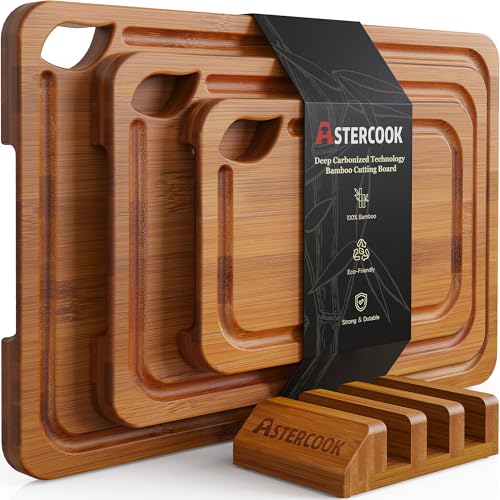
A board for juicing needs to be larger than you think: celery stalks and cucumbers are long. Wood and bamboo are gentle on knives; plastic can go in the dishwasher; a board with a groove catches juice from citrus and tomatoes. A damp towel under any board stops slipping. See our cutting board guide.
Peelers
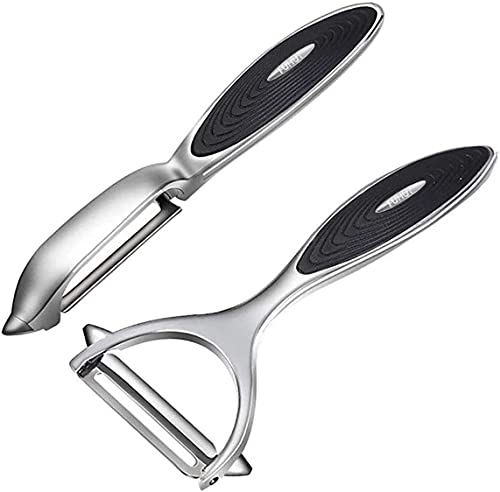
Three types: a straight peeler (cheap, two directions), a Y peeler (comfortable, good for citrus and cucumbers) and a swivel peeler (follows curves). A spoon removes ginger skin well when the root is fresh. Citrus for juicing in a slow juicer is usually peeled; in a centrifugal juicer, peeled too, since the rind and pith are bitter. Details in peeler types explained.
Saving time
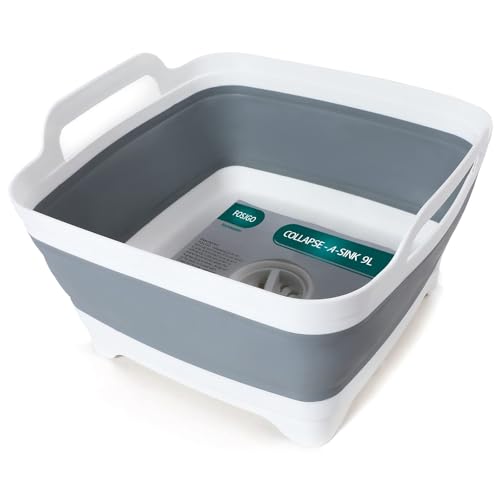
Prep is where juicing time goes. Three habits cut it: wash everything once, in a sink of cool running water rather than item by item; cut the whole bunch of celery at once and store it for the next two days; and wash the knife and board at the end, while the juicer's parts are also in the sink. Pair this with a wide-chute juicer if you hate cutting. See the juicers hub for chute widths.
Knife and cleaning safety
A sharp knife is safer than a dull one because it needs less force. Cut a flat surface first so produce does not roll. Wash a board with hot soapy water after cutting produce, and use separate boards for raw meat if you cook other food. Replace a board that has deep grooves that hold dirt.
Choosing and caring for a knife
You do not need a set. One chef's knife or a 6 in utility knife and a small paring knife handle everything in our recipes: celery, cucumber, apple, lemon and ginger. A knife is comfortable when the handle fits your hand and the weight feels balanced. Keep it sharp with a honing steel or a pull-through sharpener, hand-wash it, and dry it straight away. A dull knife slips on lemon skin and is the usual cause of kitchen cuts. Store it in a block or a sheath, not loose in a drawer.
Ginger, lemon and herbs
These need their own handling. For ginger, scrape the skin with the edge of a spoon, since the root is knobbly and a peeler wastes flesh. Our ginger shots use 150 g of ginger, which is a lot to grate by hand, so a sturdy grater or a juicer with a wide chute saves time. For lemons, a Y peeler takes the peel in wide strips, and a paring knife trims the white pith. For herbs, wash, pat dry and chop just before juicing; parsley and mint can go through a slow juicer's chute rolled in a leaf of spinach.
Storing tools
Keep prep tools together in one drawer or caddy so setting up takes seconds. Hang the produce brush to dry. Store the board upright so it dries on both sides. Wipe knives and boards dry before putting them away. When you wash a wooden board, do not soak it, and oil it occasionally with a food-safe mineral oil to prevent cracks. If a board warps or has deep cuts, replace it.
A workflow that uses every tool once
- Fill the sink with cool running water; wash all produce together, scrubbing firm items with the brush.
- Lay a towel on the counter and pat the produce dry, so the board stays steady.
- Trim ends and bruised spots with the paring knife.
- Peel lemons and ginger; cut the rest to the width of your chute.
- Juice, and rinse the board and knife while the juicer parts soak.
Five minutes of tidy workflow is worth more than any gadget.
The prep jobs in our recipes
Prep is the part of juicing most people underestimate. Counting the notes in our juicer recipe data shows which jobs come up most, and so which tools earn a place on your board.
Counted from the ingredient notes in our recipe data (for example 'lemon, peeled'). 'Washed and cut' means no note beyond the name.| Prep note in the recipe | Juicer recipes using it | Tool it calls for |
|---|
| peeled | 8 of 10 | Peeler or paring knife |
|---|
| scrubbed | 7 of 10 | Produce brush |
|---|
| washed and cut | 5 of 10 | Knife and board |
|---|
| cored | 5 of 10 | Corer or knife |
|---|
| unpeeled | 4 of 10 | Peeler or paring knife |
|---|
| stems trimmed | 2 of 10 | Knife and board |
|---|
| leaves on | 1 of 10 | Brush only |
|---|
| scrubbed, not peeled | 1 of 10 | Peeler or paring knife |
|---|
The shortest list is the best list: a brush, a board, a sharp knife and a peeler cover almost every recipe here.
Prepping leafy greens
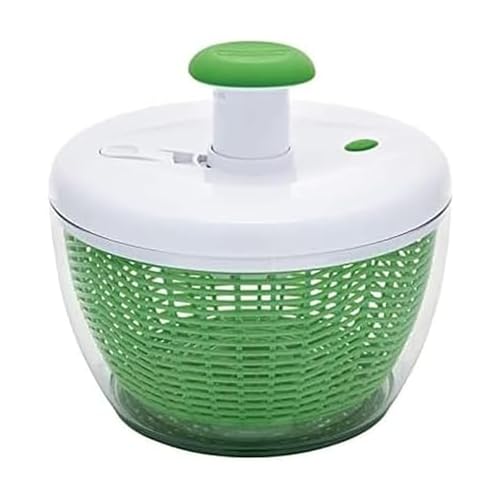
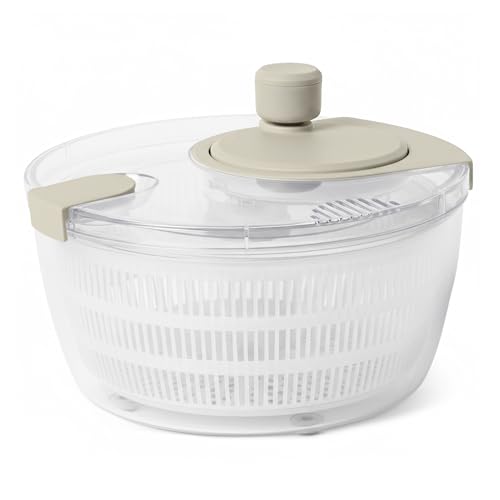
Leaves need different handling from firm produce. Wash them in a bowl of cold water, lift them out and let the grit settle, then spin or pat them dry. Cut thick kale and chard stems to the length your chute takes, or feed leaves rolled into a bundle. Wet leaves slide past a masticating auger, so dry them first and feed them between pieces of cucumber or apple. Store washed leaves with a paper towel in a container to absorb the moisture.
Keep the knife sharp
A dull knife slips on cucumber skin and apple, which is how most prep cuts happen. Hone it before a session and sharpen it a few times a year. Curl the fingers of the hand that holds the food, cut on a board that does not slide (a damp cloth under it works), and slice a flat face first so a round fruit sits still. Cut to the width of your chute; if you do not know it, measure the opening and cut strips narrower than that.
A prep order that saves time
- Wash everything together under running water; scrub firm produce with a brush, and add no soap, as FDA advises.
- Dry on a clean towel so the board stays grippy.
- Cut firm items first (carrot, apple, cucumber), then soft ones, then leaves, so one board lasts the session.
- Peel citrus last, since it is the stickiest job.
Keep one board for produce only; wash it with hot soapy water after the session, and replace it when deep grooves form.
Category picks
- Produce brush. The cheapest tool with the biggest effect.
- Large board with a juice groove. For celery and cucumbers.
- Y peeler. For citrus and cucumbers.
- Fine grater or zester. For ginger.
The cards below link to Amazon searches for these types.
Who each choice is for
New juicers
Brush, board and knife first.
Citrus lovers
A Y peeler and a zester.
Ginger shot makers
A grater and a spoon for peeling.
Fast-morning people
A bigger board and prep-ahead containers.
Questions this page answers
Do I need to peel produce for juicing?
Citrus, yes. Cucumbers and apples can be scrubbed and left unpeeled in our recipes. FDA says to wash produce even if you will peel it.
Do I need a produce wash?
FDA does not recommend soap or commercial washes. Use running water and a brush.
Which prep tool do I need first?
A produce brush and a sharp knife. Our recipes ask you to scrub firm produce under running water, with no soap, as FDA advises.
Sources: FDA, juice safety and washing.
General buying information, not medical or nutrition advice. We have not tested these products hands-on; specs come from the maker pages named above. See how we choose.