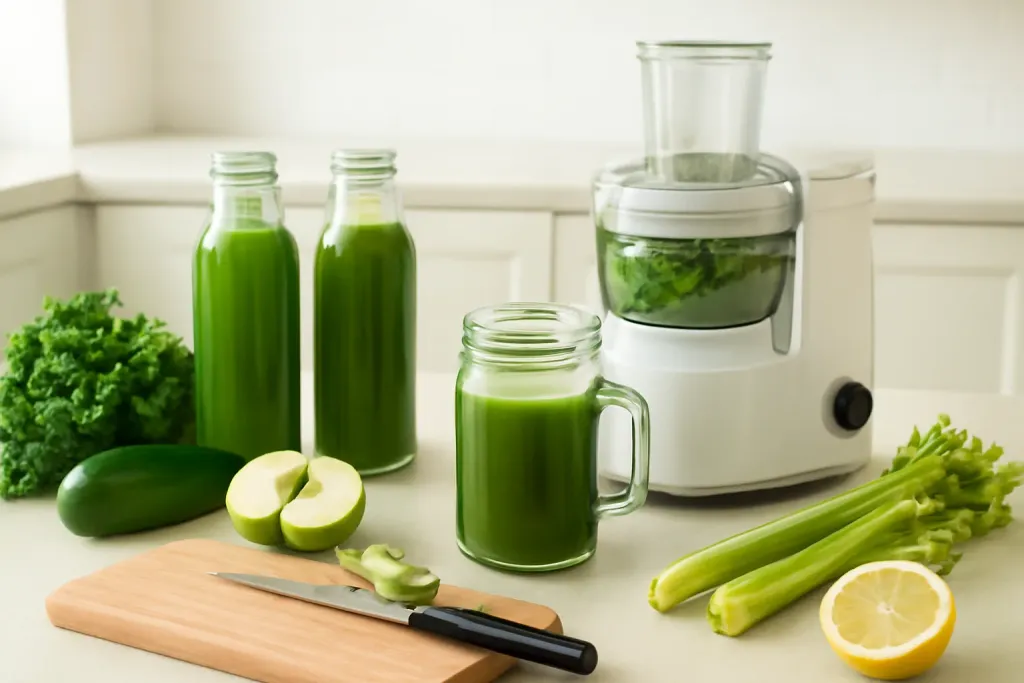
Why the Cutting Board Matters for Juicing Prep
When you prep produce for juice or smoothies, the cutting board does more than give you a place to chop. It shapes how easy cleanup feels, how stable your knife work is, and how well you can move from washing to slicing to loading a juicer or blender. A good cutting board for juicing prep should be roomy enough for piles of greens, firm enough for safe cutting, and simple to wash after dealing with leafy herbs, citrus, carrots, cucumbers, apples, and other fresh ingredients.
For home juicing, the board also plays a role in organization. Many people prep several ingredients at once, so a board that can handle wet produce without sliding around is often more useful than one that only looks nice. If you regularly make green juice or fruit-heavy blends, the board becomes part of your workflow: wash produce, trim ends, cut into feeder-friendly pieces, and transfer straight to your juicer basket or blender jar.
That is why the “best” board is usually the one that balances hygiene, comfort, durability, and ease of cleaning for your kitchen habits. Material matters, but so does size, weight, and whether the board works for both delicate herbs and firmer produce like apples, beets, or celery stalks.
Best Materials to Consider
Most shoppers narrow the choice to wood, bamboo, or plastic, with glass and composite boards appearing less often for prep work. Each option has tradeoffs, and the right pick depends on how you juice, how often you prep, and how much care you want to give the board afterward.
Wood: Wood boards are popular for general kitchen prep because they feel sturdy and are comfortable under a knife. They are often a practical choice if you want a classic board for chopping fruit and vegetables before juicing. The main drawback is that they usually need more care than plastic, especially when exposed to frequent moisture.
Bamboo: Bamboo is commonly chosen for its lightweight feel and firm surface. It can work well for routine juicing prep, especially if you like a board that is easy to move and store. Bamboo boards can be harder on knives than some softer wood options, so they may not be ideal if you do a lot of repeated chopping with a high-end knife.
Plastic: Plastic boards are a common practical option for messy produce prep because they are generally easy to rinse and can often go in the dishwasher if the manufacturer says so. Many home cooks like keeping one plastic board dedicated to raw produce. The downside is visible knife marks over time, which can make the board look worn and may encourage replacement sooner.
Composite or resin-style boards: These can offer a middle ground between durability and easy maintenance. They may be appealing for someone who wants a firmer work surface without the upkeep associated with traditional wood. As always, follow the maker’s cleaning guidance and avoid assuming every composite board is dishwasher-safe.
Glass boards are usually not the first choice for juicing prep. They can be loud, hard on knives, and less forgiving when you are cutting produce quickly. For most home juicing routines, wood, bamboo, or plastic will be the more useful short list.
What to Look for in a Juicing Prep Board
If you want one board to handle most juice prep tasks, focus on a few practical features instead of chasing a trendy design. Size, stability, cleanability, and knife friendliness usually matter more than appearance alone.
Enough surface area: Juicing prep often involves several ingredients at once. A medium-to-large board gives you room to cut cucumbers, peel citrus, trim greens, and keep ingredients separate before they go into the juicer or blender.
Stable footing: Look for a board that does not skate around the counter. Some boards have non-slip edges, while others work well with a damp towel underneath. Stability is especially helpful when you are handling wet produce.
Easy cleanup: Juice prep can leave behind sticky citrus juice, fibrous celery strands, and bits of herbs. A board that rinses clean without much effort is often more appealing for everyday use.
Knife comfort: If you use a standard chef’s knife or paring knife for prep, a board that is gentle on blades can make your kitchen tools last longer. Extremely hard surfaces are usually less suitable for this.
Low odor retention: Some ingredients, especially garlic, onion, and strong herbs, can leave lingering smells. If you often prep mixed produce, a board that does not hold odors easily can be a plus.
For many households, the best board is not a specialty tool. It is a reliable everyday board that can move smoothly between salads, smoothies, and juice prep without demanding extra attention.
Hygiene and Food Separation
Hygiene is one of the biggest reasons people look closely at cutting board material. For juicing prep, you are often working with fresh produce that may include dirt, pulp, seeds, and juices from several ingredients. A good board should make it easier to keep that prep area tidy.
One practical approach is to use separate boards for produce and for foods that can leave heavier odors or residues. Even in a home kitchen, that can help simplify cleaning and reduce flavor transfer. Many people like a dedicated produce board for fruits, vegetables, and herbs used in juice or smoothies.
If you choose wood or bamboo, pay attention to drying. Leaving a damp board on the counter can shorten its useful life and make it less pleasant to use over time. Plastic boards are often easier to sanitize quickly, but they still need proper washing after contact with sticky fruit juices or heavily soiled greens.
Also consider how you store the board. Standing it upright where air can circulate is often better than trapping moisture underneath. A clean, dry board is easier to grab when you want to make a quick juice in the morning.
Browse our recommended products
Our featured picks refresh periodically. While we update them, our editorial guides can help you find the right pick.
See our guidesMatch the Board to Your Juice Routine
The best cutting board for juicing prep depends on what you make most often. A board that works beautifully for apple-and-celery juice may not feel equally convenient for large batches of smoothies or for prep involving lots of herbs and citrus.
For green juice: Choose a board with enough room for leafy produce and long vegetables like celery, cucumber, and romaine. A stable surface matters because you may be trimming many small items in one session.
For smoothies: Smoothie prep often includes soft fruit, bananas, and add-ins like ginger or citrus. A board that is easy to wipe down quickly can be useful if you are moving fast before blending.
For batch prep: If you prep several days of ingredients at once, a larger board or two boards can help you keep washed produce separate from cut pieces. That makes transfer to containers, jars, or freezer bags easier.
For small kitchens: A compact board may be easier to store, but make sure it is still large enough to handle the produce you use most often. Tiny boards can become frustrating when you are slicing multiple ingredients.
If your juice routine is simple, a basic board may be enough. If you are constantly chopping different produce, consider whether a second board would make the process more organized and less crowded.
Care and Maintenance Tips
Board care is a major part of choosing the right surface for juicing prep. The more frequently you use it, the more important it becomes to choose a material you are willing to maintain consistently.
For wood and bamboo, routine hand washing and thorough drying are usually the safest habits. These materials often benefit from periodic conditioning with an appropriate food-safe oil if the manufacturer recommends it. That helps reduce drying and cracking, though you should always follow the care instructions that come with the board.
For plastic boards, watch for deep grooves from knife use. Those grooves can make the board harder to clean and are often a sign it may be time to replace it. If a plastic board is dishwasher-safe according to the label, that can be convenient for sticky produce prep, but heat exposure can affect some boards over time.
Regardless of material, avoid soaking boards unless the manufacturer says it is fine. Standing moisture can warp some boards and shorten their life. A simple wash, rinse, dry routine is usually the most reliable approach for everyday juicing prep.
Simple Buying Guide for Home Juicers
If you are deciding what to buy, start with your habits rather than the marketing language. Ask yourself how much produce you prep at once, how often you use a knife, and whether you want one board to do everything or a separate board reserved for fruits and vegetables.
A practical buying checklist for a cutting board for juicing prep might look like this:
Choose a size that fits your counter and your typical produce batch.
Pick a material you can clean comfortably after wet, sticky ingredients.
Make sure the board stays steady while you cut.
Decide whether you want one multipurpose board or a dedicated produce board.
Check the care instructions before buying so maintenance matches your routine.
If you want the lowest-maintenance option, plastic is often the simplest place to start. If you prefer a more traditional feel and do not mind extra care, wood can be a strong candidate. Bamboo can be appealing if you want a lighter board with a natural look. The best choice is the one that makes your prep faster, safer, and easier to repeat.
Bottom Line
The best cutting board for juicing prep is usually the one that fits your routine, not the one with the most features. For most home users, that means a stable board with enough room for produce, a surface that cleans up without trouble, and a material you are willing to maintain.
If you want a straightforward, easy-care option, plastic is often practical for frequent fruit and vegetable prep. If you prefer a sturdier, more classic kitchen feel, wood or bamboo may be a better match. Glass is generally less suitable for everyday juicing prep because it is harder on knives and less forgiving during fast chopping.
In the end, the goal is simple: choose a board that helps you move smoothly from washing to chopping to juicing or blending. When the board fits the workflow, healthy kitchen habits feel easier to keep up.