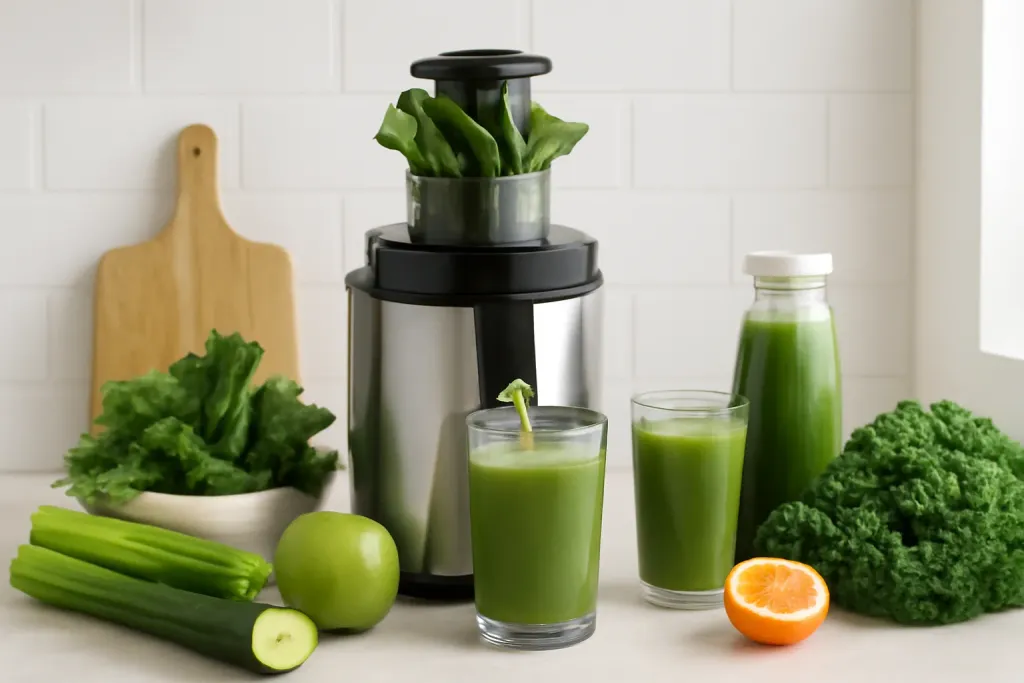
What Juicer Feed Chute Size Means
The juicer feed chute size is the opening on top of a juicer where you add produce. It is usually described by width, and sometimes by shape, such as round or oval. In plain terms, it tells you how much chopping you may need before juicing.
A larger chute can accept bigger pieces of fruit and vegetables, while a smaller chute usually asks you to cut produce into shorter or narrower pieces. That difference matters because the time spent prepping ingredients often affects whether juicing feels easy or like a chore.
For shoppers, chute size is one of the quickest details to compare before buying. It does not explain everything about a machine, but it gives a useful clue about how convenient the loading process may be, especially if you want to make fresh juice regularly.
It also helps to understand that chute size is only one part of the user experience. The way the opening is shaped, whether the feed path narrows inside the machine, and how easy it is to guide ingredients into the juicer all affect day-to-day use. Two juicers can share a similar quoted opening and still feel different in the kitchen.
Why Chute Size Matters in Daily Use
Chute size affects the rhythm of juicing. If the opening is narrow, you may spend more time slicing apples, cucumbers, carrots, or celery into smaller sections. If it is wider, you may be able to spend less time at the cutting board and more time actually juicing.
That does not mean a larger chute is always better. Some people prefer a smaller machine because it may take up less counter space or feel easier to store. The best choice depends on how much prep you are comfortable with and how often you plan to use the juicer.
For beginners, a larger feed chute can make the process feel more approachable. When the prep step is simpler, it is often easier to build a routine around green juices or blended drinks with a few common ingredients.
Chute size also affects how the juicing session flows from start to finish. A smaller opening can create more stop-and-start work: cut a piece, load it, cut another piece, and so on. A wider opening may let you prep a small pile of ingredients first and then move through them in a steadier rhythm. For many home cooks, that difference is what separates an appliance that gets used often from one that stays in the cabinet.
Common Chute Size Ranges You Will See
Juicers are commonly described with feed chutes in a few broad ranges. Small chutes are often around 1.5 inches or less, medium chutes are roughly 2 to 3 inches, and larger chutes may be 3 inches or more. Some models advertise very wide openings, but the exact shape and internal design still matter.
Small chutes usually require the most chopping. They can work well for people who juice smaller batches or do not mind prep work. Medium chutes are a middle ground and may suit households that want a balance between compact size and convenience.
Larger chutes are popular with shoppers who want to reduce prep. They can be especially helpful for firm produce like apples, beets, and carrots, though you may still need to trim items to fit safely. Even with a wide opening, the feeding process should stay controlled and deliberate.
When comparing these ranges, remember that measurements are not always the full story. One juicer may have a wide visible opening but a narrower feed throat inside, while another may feel easier to load because of the way the opening is angled. Looking at the full design helps you avoid assuming that the biggest number automatically means the easiest routine.
How Chute Size Connects to Juicer Type
Feed chute size shows up in different ways depending on the juicer type. Centrifugal juicers often emphasize fast loading and may offer wider chutes, while masticating juicers may use slower processing and sometimes smaller openings. That is a general pattern, not a rule for every model.
If you are comparing styles, it helps to think about your preferred routine. A centrifugal juicer may appeal to someone who wants quick prep and quick cleanup. A masticating juicer may appeal to someone who does not mind more chopping if it fits a slower, more methodical kitchen workflow.
Blenders are different again. They usually rely on a jar and blade system, so the idea of a feed chute does not apply in the same way. If you make both juices and smoothies, consider whether you want a juicer that reduces prep time or a blender that gives you more flexibility with textures.
For people who plan to alternate between fresh juice and blended drinks, it can help to separate the jobs in your mind. A juicer with a larger chute is mainly about reducing cutting time for produce. A blender is more about handling mixed ingredients, frozen fruit, leafy greens, nut butters, and ice in one container. Choosing the right appliance for the job is often more important than chasing the widest opening possible.
Browse our recommended products
Our featured picks refresh periodically. While we update them, our editorial guides can help you find the right pick.
See our guidesWhat to Look for Before Buying
When comparing juicer feed chute size, look beyond the headline number. Ask how the chute shape works, whether the opening feels easy to load, and how much cutting the machine still requires. A wide measurement alone does not guarantee simple prep if the internal feed path narrows quickly.
It also helps to think about your ingredients. If you often use long celery stalks, whole apples, or larger chunks of cucumber, a bigger chute may fit your routine better. If you mostly juice softer produce or only make small servings, a mid-size or smaller chute may still be perfectly practical.
Counter space and storage matter too. A larger chute can come with a larger overall machine, so it is worth checking the footprint, height, and how easy it is to assemble and take apart. For many home kitchens, convenience is about the full package, not one feature alone.
You may also want to think about the shape of your usual prep board. If your kitchen workflow involves washing produce, trimming it, and moving it straight into the machine, a larger chute can save steps. If you like to batch prep ingredients ahead of time, a smaller chute may not be a problem because the cutting has already been done. In other words, the right size depends as much on your habits as on the juicer itself.
Prep Habits That Still Help Even With a Wide Chute
A larger feed chute can reduce prep, but it does not eliminate the need for safe, sensible cutting. Hard produce may still need trimming, seeds and pits may need removal, and long items may need to be shortened to fit comfortably.
Good prep habits also help with consistency. Washing produce, checking for bruised spots, and cutting items into manageable sizes can make loading smoother. If you are juicing leafy greens, you may need to bundle or fold them so they feed more evenly, regardless of chute size.
Beginners often find it useful to prepare a small produce tray in advance. That way, the juicing step feels straightforward: wash, cut if needed, load, and process. Even a wide opening works best when the ingredients are organized.
It can also help to separate dense items from softer ones before you start. For example, if you are making a simple green juice, you might group cucumbers and apples together and keep herbs or leafy greens ready to add in smaller handfuls. This kind of order makes it easier to stay in control at the chute and reduces the chance of repeatedly stopping to adjust your ingredients.
Finally, think about how much cleanup your prep creates. Bigger pieces may mean fewer cuts, but they can also mean more trimming of stems, ends, and damaged spots. A realistic routine is usually the one that balances cutting time with the amount of waste you are willing to sort through.
Choosing the Right Size for Your Routine
The best juicer feed chute size is the one that matches your daily habits. If you want the least possible chopping, look for a wider chute. If you value a compact appliance and do not mind slicing produce, a smaller chute can still be a smart fit.
Think about how often you will juice, who will use the machine, and how much storage space you have. A busy household may appreciate a larger opening because it makes the process feel faster. A single-user kitchen may prioritize a lighter, simpler machine with a smaller footprint.
If you are just starting out, choose the size that makes the routine feel realistic. The most useful juicer is often the one you will actually set up, use, and clean without feeling like it takes too much effort.
It can also help to picture your common recipes. If you plan to make green juice with celery, cucumber, apple, lemon, and ginger, a medium or larger chute may make the prep step easier. If your routine leans toward small servings with softer produce, a more compact opening may be enough. The goal is not to buy the biggest machine, but the one that fits the way you actually cook and drink at home.
A Simple Way to Compare Options
When you see a juicer listing, treat feed chute size as a convenience feature, not the whole story. It gives you a practical hint about chopping time and ease of use, but it should be considered alongside machine size, cleaning, and the kind of produce you plan to juice.
In everyday terms, the right question is not just “How wide is the chute?” It is “How much prep am I willing to do, and how often will I want to do it?” That answer can guide you toward a machine that fits your kitchen routine rather than fighting it.
For home juicing, the best choice is usually the one that keeps the process simple enough to repeat. A thoughtful match between chute size and your habits can make juice and smoothie prep feel less like a project and more like part of the day.
If you are comparing several models, use a short checklist: consider the chute opening, the overall footprint, whether the produce you buy regularly fits the opening with minimal cutting, and whether the setup feels manageable enough for weekday use. This practical approach helps you focus on real-life convenience instead of marketing language alone.