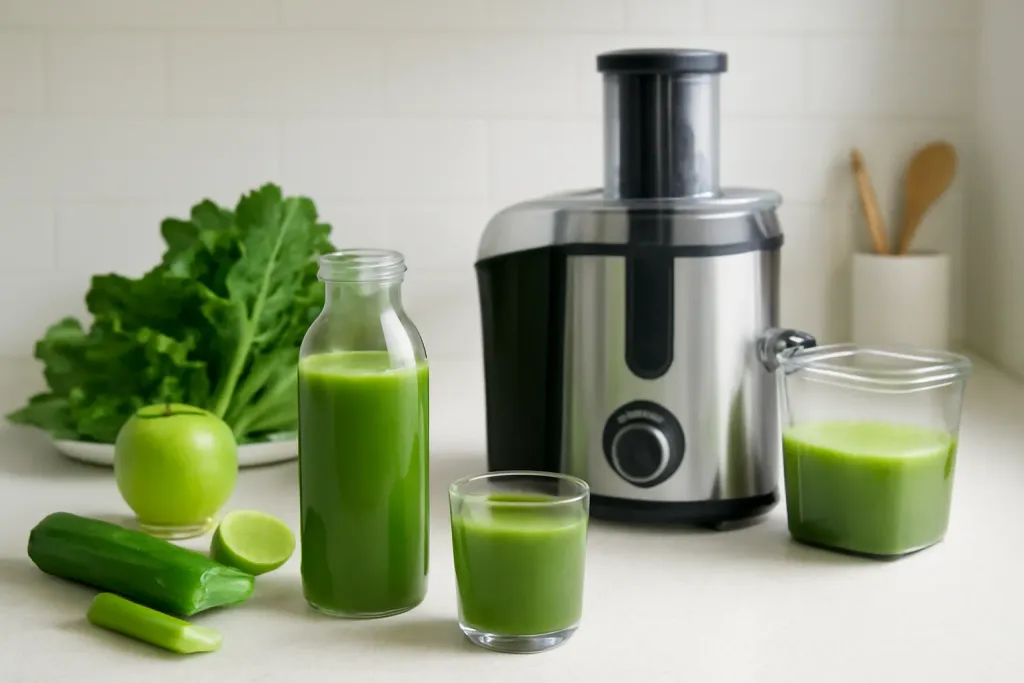
Is a Centrifugal Juicer Good for Beginners?
For many first-time shoppers, a centrifugal juicer can be a sensible starting point. It is usually easy to understand, quick to assemble, and built for people who want to make fresh juice without a long learning curve. If you are asking whether a centrifugal juicer for beginners is a good fit, the short answer is often yes, especially if convenience matters more than squeezing every last drop from produce.
Centrifugal juicers work by grating produce and spinning it through a fine screen to separate juice from pulp. That simple process is part of the appeal. There are fewer steps than with some other juicer styles, and the basic workflow is straightforward: prep produce, feed it through the chute, collect the juice, and clean up afterward. For someone new to home juicing, that can feel far less intimidating than a slower method that asks for more cutting, pushing, or patience.
That said, “good for beginners” does not mean “best for every beginner.” Your kitchen habits matter. If you want a machine for occasional green juice, morning smoothies made with juice as an ingredient, or quick fruit-and-vegetable blends, a centrifugal model may be a practical choice. If your top priorities are very quiet operation, minimal foam, or juicing lots of leafy greens, you may want to compare other types before deciding.
Why Beginners Often Like the Format
One reason centrifugal juicers are often recommended for newcomers is that they keep the process simple. Many models have a wide feed chute, which can reduce the amount of chopping needed. That is helpful if you are building a new habit and do not want juicing to become a long prep project. A simpler routine makes it easier to stay consistent, which is often the real goal for busy households.
Beginners also tend to appreciate the fast turnaround. If you are making juice before work or trying to fit kitchen tasks into a narrow window, speed can matter more than advanced features. A centrifugal juicer can feel more approachable because it allows you to go from produce to glass with fewer steps. That can be especially appealing if you are experimenting with basic green juice recipes or trying to add more fresh ingredients to breakfast.
Another advantage is familiarity. The controls on many centrifugal models are limited to a few settings or a simple on-off switch. Less complexity can mean fewer mistakes in the early days. For shoppers who are more focused on learning what they like than on mastering a machine, that low-friction experience can be useful.
In a home kitchen, confidence matters. A beginner-friendly appliance is one that encourages use, not one that sits in the cabinet because it feels fussy. If a centrifugal juicer makes you more likely to wash produce, prep a few ingredients, and make a small batch of juice, that alone can make it a worthwhile starting point.
Tradeoffs to Understand Before Buying
Like any appliance, a centrifugal juicer comes with tradeoffs. The most obvious one for beginners is that fast operation does not always mean the smoothest experience with every ingredient. Hard produce such as apples, carrots, and cucumbers usually fit the style well, but very soft ingredients and a heavy mix of leafy greens can require more attention. That does not make the appliance a poor choice; it simply means results can vary with what you put in it.
Another factor is noise. Centrifugal juicers typically have a faster motorized process than slower juicers, and that can make them feel louder during use. If you share walls, wake up early, or prefer a quieter kitchen routine, that is worth considering. Noise is not a deal-breaker for everyone, but beginners should be aware of it before expecting a calm, nearly silent experience.
Foam and separation are also practical considerations. Juice made in a centrifugal juicer can sometimes have more foam than juice made by other methods, so some people prefer to stir before pouring or drink soon after making it. None of this is a problem if you know what to expect. It simply helps to choose a style that matches your preferences instead of buying based on the hope that one machine will do everything equally well.
Finally, think about cleanup. A beginner-friendly juicer should be easy enough to rinse and reassemble without frustration. If a machine has many small parts or tricky corners, that can become a barrier to regular use. For new juicing habits, the best choice is often the appliance you are willing to wash consistently.
What to Look for in a Beginner-Friendly Model
If you are comparing options, a few features can make a centrifugal juicer more approachable for beginners. A wide feed chute is useful because it can reduce chopping time. A simple control layout is another plus, since it lowers the learning curve. Stable feet or a solid base can also help the machine feel easier to manage on the counter.
Look at how the pulp container and juice pitcher fit into the overall workflow. Beginners usually benefit from a setup that is easy to remove, empty, and reattach. If the machine comes with clear assembly marks or a simple locking mechanism, that can make first-time use less stressful. The goal is not to chase a long list of features; it is to find a machine that feels intuitive from the start.
It is also useful to consider storage. Some kitchens can handle a larger appliance on the counter, while others need something compact that can be tucked away after use. A beginner may enjoy juicing more if the appliance does not create constant clutter. Before buying, think about where it will live, how often you will move it, and whether the cord, attachments, and parts are easy to store together.
Another practical detail is how the machine handles batch size. If you usually make one glass at a time, you may not need a large container. If you want enough juice for a partner or family member, a more efficient workflow may matter. Beginners often do best when the appliance matches their actual routine instead of an idealized one.
Browse our recommended products
Our featured picks refresh periodically. While we update them, our editorial guides can help you find the right pick.
See our guidesAn Easy First-Juicing Approach
For a first attempt, keep the ingredient list short. That makes it easier to learn how the juicer behaves and helps you avoid confusion about which produce works best. A simple combination of cucumber, apple, and a small amount of leafy green can be a manageable starting point. The idea is to practice with ingredients that are familiar and easy to prep, not to create the most complex juice possible.
It helps to cut produce into pieces that fit comfortably in the chute, even if the chute is wide. Overloading the machine or forcing food through too quickly can make the process less pleasant for a beginner. Feed ingredients gradually and let the juicer do the work. That small habit can improve your confidence and keep the experience predictable.
Beginners should also treat the first few batches as learning sessions. Notice how much prep time you need, how quickly the pulp container fills, and whether you prefer a thinner or richer mix. These observations are more useful than chasing a perfect result. With juicing, routine matters more than novelty, especially when you are trying to build habits around breakfast or afternoon snacks.
If you plan to make juice regularly, consider preparing ingredients in advance. Wash produce, trim greens, and store items in sealed containers in the refrigerator so you can assemble a batch quickly. A beginner-friendly routine is often less about the appliance alone and more about reducing the number of small decisions you need to make each day.
Beginner-Friendly Green Juice and Smoothie Ideas
New users often do best with simple green juice combinations that are gentle on prep and easy to repeat. A basic starter idea is cucumber, apple, and spinach, with a small piece of ginger if you like a little bite. Another approachable option is celery, pear, and romaine. These combinations are not about perfection; they are about building a workable starting point that does not require a long ingredient list.
If you want to use juice as part of a smoothie, a centrifugal juicer can still be useful. You can juice a few ingredients and then blend the juice with banana, yogurt, oats, or frozen fruit, depending on your preferences. That approach may feel more forgiving for beginners who want the freshness of juice but the fuller texture of a blended drink.
When planning simple recipes, keep balance in mind. A little sweet fruit can make greens easier to enjoy, but you do not need to overload the glass with fruit to make a beginner recipe work. Start small and adjust according to your own kitchen routine. The most beginner-friendly recipe is one you can repeat without needing a special shopping list every time.
It can also help to keep a short list of reliable ingredients on hand. Cucumbers, apples, spinach, celery, and lemons are common starting points in home juicing because they are easy to portion and combine. If you store produce properly and buy only what you plan to use, you can make juice more consistently without creating extra waste.
Cleanup, Storage, and Routine Building
For beginners, cleanup is often the difference between a juicer that gets used and one that gets ignored. After each use, rinse removable parts promptly so pulp does not dry onto the screen or container. Many people find it easier to clean a juicer right away than to leave it for later. Even if the machine is not difficult to wash, a fast rinse can make the whole habit feel more manageable.
It is also smart to think about drying and storage before you buy. A juicer with several parts needs a place to air-dry safely, and those parts should be easy to gather together afterward. Some home cooks prefer to keep the base on the counter and store accessories in a nearby cabinet, while others want everything packed away. Either way, the best setup is the one that makes daily use simple rather than annoying.
Routine building matters as much as the appliance itself. If you only plan to juice once in a while, a centrifugal model may be enough to keep things easy. If you want to make juice most mornings, make a habit of restocking produce, cleaning right away, and storing the machine in a way that supports quick access. Small systems like these can turn a beginner purchase into a lasting part of your kitchen routine.
For many households, the deciding factor is not whether the juicer is the most advanced option. It is whether it fits into real life. A centrifugal juicer can be a good beginner choice when convenience, simple operation, and practical storage are higher priorities than specialized performance.
Bottom Line for First-Time Buyers
If you want a straightforward way to start home juicing, a centrifugal juicer for beginners can be a sensible purchase. It is typically easy to learn, quick to use, and practical for people who want a low-hassle introduction to fresh juice. That makes it appealing for busy kitchens and for shoppers who value convenience over complexity.
The main question is not whether the appliance is beginner-friendly in the abstract, but whether it fits your habits. If you want fast prep, simple controls, and a manageable cleanup routine, a centrifugal juicer may be a strong match. If you expect a quieter machine, more flexibility with leafy greens, or a different texture profile, it is worth comparing other juicer styles before you decide.
For most first-time buyers, the best choice is the one that supports repeat use. A good beginner appliance should feel clear, manageable, and easy to store. If a centrifugal juicer helps you make a simple green juice or blend a quick smoothie ingredient without overthinking the process, that is usually a good sign it belongs in your kitchen.