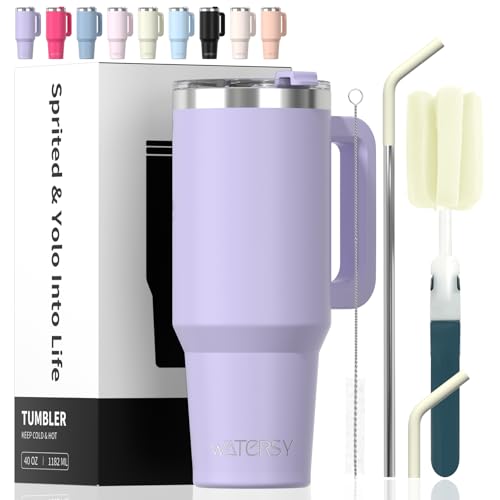
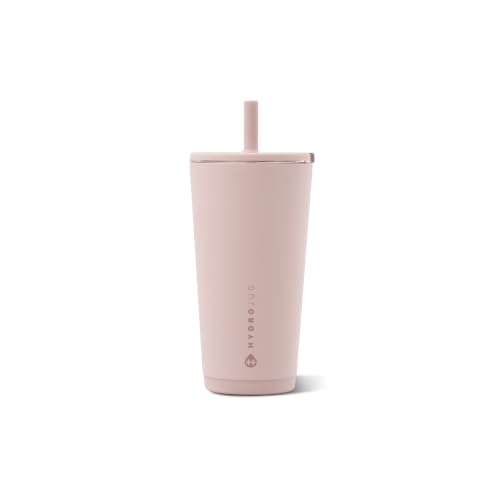
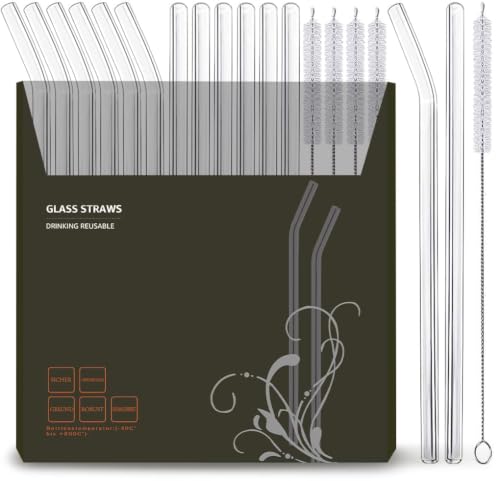
Size against our recipes
Pick the size from what you drink. The recipe yields below come from our recipe pages (estimates), and the millilitre figures are calculated from US fluid ounces.
Cup sizes commonly sold. 'Fits' compares our recipe yield estimates with the cup, with headroom for ice.| Cup size | Millilitres | Fits from our recipes | Note |
|---|
| 8 fl oz | 235 ml | Ginger shots (2 fl oz each), wheatgrass juice | A small bottle or cup |
|---|
| 12 fl oz | 355 ml | Celery juice (about 9 fl oz) | Leaves a little headroom |
|---|
| 16 fl oz | 475 ml | Most single juices, one smoothie serving (about 10 fl oz) | The all-rounder |
|---|
| 20 to 24 fl oz | 590 to 710 ml | The basic green juice (at least 14 fl oz) with ice | Often too wide for some cupholders |
|---|
| 32 fl oz | 945 ml | A full two-serving smoothie batch | Heavy when full; check the carry |
|---|
See travel cups for smoothies and juice for how to read capacity claims, which sometimes count the space above the max line.
Lids: leakproof, straw or sip
Three lid styles dominate. A sip lid with a closable hole is leak-resistant and good for cold drinks. A straw lid with a silicone seal is easy to drink from but leaks more when tipped. A screw cap with a flip spout is the most leakproof and the most awkward to drink from while driving. Smoothies are thicker than juice, so a wide straw or a wide sip opening is practical. Check the lid for removable seals; they are the part to wash by hand.
Insulation, explained
Double-wall vacuum cups slow heat transfer, so cold drinks stay cold longer. The benefit is comfort: a smoothie stays thick, and the outside does not sweat. It does not change food safety. Juice or a smoothie that has been out of the fridge for hours is not made safe by a cold cup, so treat insulation as a convenience. Our insulation guide covers it, and we do not repeat hour counts from makers' marketing.
Fitting a car cupholder
Cupholders vary. A cup with a tapered base fits most; a straight-sided cup over about 3 in (7.5 cm) wide at the base may not. Measure the holder, or check the cup's base diameter on its spec page. If a holder is shallow, a tall cup will tip. See travel cups for car cupholders.
Cleaning thick drinks
Smoothie residue dries hard on lids and straws. Rinse right after drinking, fill a third with warm soapy water and shake, and use a straw brush for the straw and a small brush for the lid seal. Remove silicone seals to wash and dry them. Soak stained cups with a tablespoon of baking soda in warm water. Check each part for dishwasher safety.
Materials
Stainless steel is durable and often insulated; it can dent, and you cannot see the contents. Glass is clean-tasting and see-through but heavy and breakable. Plastic is light, but can stain and hold smells. Pick by how you carry: gym bag and car favour steel or plastic; desk use is fine with glass.
Filling, ice and headspace
Fill a cup to the max line, not to the brim. Our basic green juice yields at least 14 fl oz, so a 16 fl oz cup is full with no ice; a 20 fl oz cup leaves room for ice cubes, which also displace juice. A smoothie expands a little when it is blended, so pour it into a larger cup than the finished volume. Leave about a centimetre of headspace if you shake the cup, and keep the lid fully closed when carrying it.
Thick drinks such as our green smoothie need a wider mouth to pour and clean; thin drinks like celery juice fit any opening.
Cold drinks only
Travel cups sold for coffee are built for heat; smoothie and juice cups are built for cold. Do not put a carbonated or fermented drink in a sealed cup and leave it in a warm car, because gas builds pressure. Do not put hot liquid in a cup the maker has not rated for it. Homemade juice is unpasteurized, so keep it cold with ice or an insulated bag and drink it within a short time; the storage guide explains the conservative rule we use, since no official storage time exists.
Weight and carry
A full 32 fl oz cup carries about two pounds of liquid before the cup itself. A steel cup adds a pound, glass more. If you carry the cup in a bag, check that the lid is leakproof upside down and that the bag has a side pocket or sleeve, otherwise the weight sits on your shoulder. A shorter cup travels better in a bike bottle cage; a wider one needs a bag.
What a full cup weighs
The drink is the heavy part of a travel cup. The table converts common sizes to the weight of the liquid, using 1 ml of juice as about 1 g (water is exactly that, juice is slightly heavier). The cup adds its own weight on top: steel more than plastic, glass more again.
Calculated from 29.57 ml per US fl oz and 1 g per ml. Cup weight not included.| Cup size | Millilitres | Liquid weight | In pounds |
|---|
| 8 fl oz | 237 ml | 237 g | 0.5 lb |
|---|
| 12 fl oz | 355 ml | 355 g | 0.8 lb |
|---|
| 16 fl oz | 473 ml | 473 g | 1.0 lb |
|---|
| 20 fl oz | 591 ml | 591 g | 1.3 lb |
|---|
| 24 fl oz | 710 ml | 710 g | 1.6 lb |
|---|
| 32 fl oz | 946 ml | 946 g | 2.1 lb |
|---|
For a bag, the practical limit is about a pound of drink; above 20 fl oz the carry becomes noticeable.
Choose in three steps
- Match the size to the drink. Our smoothie serving is about 10 fl oz, so 16 fl oz leaves room for ice.
- Measure your cupholder base before ordering; the cupholder guide shows how.
- Decide how long the drink sits. If under an hour or two, insulation is optional; see insulation explained.
Daily care in three steps
- Rinse the cup and lid right away, even if you only have water.
- Wash seals, straws and lids with a brush and warm soapy water at home.
- Dry with the lid off, so no smell builds up in a closed cup.
A cup left closed with a smoothie film smells within a day, so do not leave it in the car or a bag overnight.
Matching the cup to the drink
Juice pours and drinks easily through a straw. A smoothie is thicker, so it needs a wide straw or a wide sip opening, and it will not shake out of a small hole. Carbonated or fermented drinks and anything hot belong in cups built for them. For ginger shots, which are about 2 fl oz each, use a small bottle rather than a large cup so the shot is not diluted by air and does not slosh.
Check a cup in the shop or at home
- Fill it with water, close the lid and tip it upside down over the sink for ten seconds.
- Check the straw hole and sip opening for a seal that closes.
- Measure the base against your cupholder with a tape.
- Look for seals you can remove, and a lid you can open without tools to wash.
A cup that fails the upside-down test will fail in a bag.
Category picks
- 16 to 20 fl oz insulated tumbler with a sip lid. The daily driver.
- Wide-mouth cup with a wide straw. For thick smoothies.
- Small 8 to 12 fl oz bottle. For shots and small juices.
- Shaker-style cup. If you mix powders.
The cards below link to Amazon searches for these types.
Who each choice is for
Commuters
A cup sized to the cupholder, with a leakproof lid.
Desk drinkers
Insulated, straw lid, wide base.
Questions this page answers
What size travel cup fits a smoothie?
16 to 20 fl oz fits a single serving of our green smoothie (about 10 fl oz) with room for ice.
Does insulation make a smoothie safe longer?
No. It keeps drinks cold for comfort; keep to the storage guidance for homemade juice.
Are straws harder to clean?
Yes. Use a straw brush.
How heavy is a full 24 fl oz travel cup?
About 710 g (1.6 lb) of liquid, before the weight of the cup.
Sources: FDA, juice safety.
General buying information, not medical or nutrition advice. We have not tested these products hands-on; specs come from the maker pages named above. See how we choose.