Why Travel Cups Matter for Smoothies and Juice
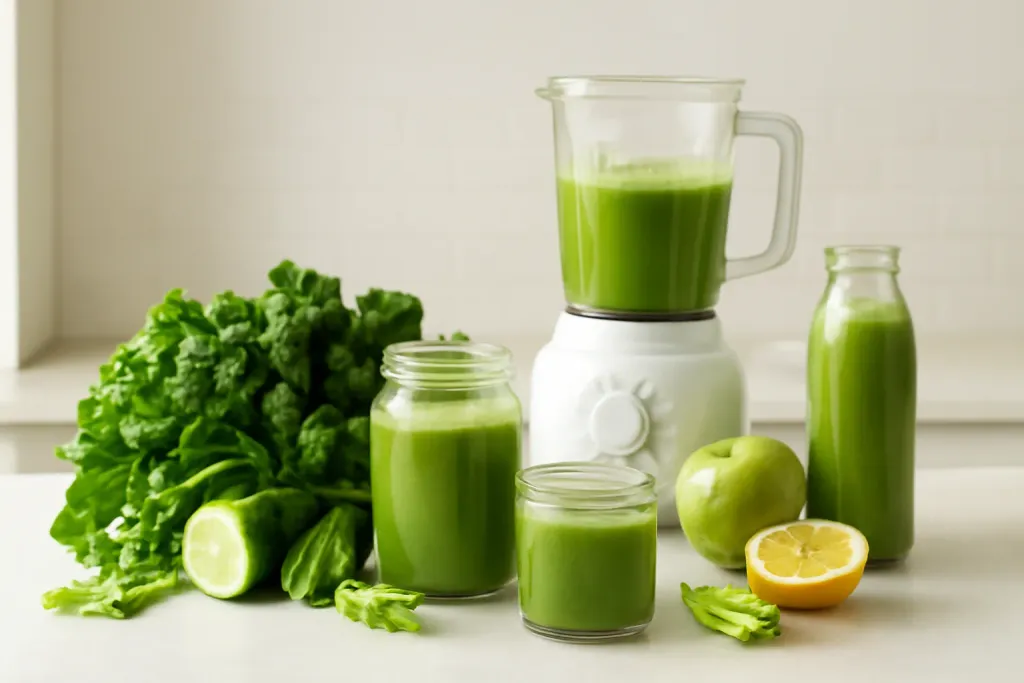
Travel cups for smoothies and juice are a simple but important part of making blended drinks easier to carry, store, and sip on the go. For anyone who mixes morning smoothies, green juice blends, or fruit-based drinks at home, the right cup can make the difference between a convenient routine and a messy one. A good travel cup helps you move from the blender to the car, office, gym bag, or school run with less worry about spills and less need to transfer liquid from one container to another.
These cups also matter because smoothies and juice behave differently from water or coffee. Thick smoothies need enough room to shake or stir, while juice benefits from secure lids and materials that are easy to rinse. A cup that works for both should be comfortable to hold, easy to clean, and sized to match your usual recipe. If you blend at home, a dedicated travel cup can also reduce the number of dishes you use during the day.
For shoppers browsing travel cups for smoothies and juice, the main goal is to match the cup to your routine. Someone who makes a small berry smoothie for breakfast has different needs from someone packing a larger green smoothie or fresh juice for later in the day. That is why practical details such as lid style, mouth opening, and cup shape matter more than flashy extras.
Materials That Fit Daily Use
One of the first choices to make is material. Travel cups for smoothies and juice are commonly made from plastic, stainless steel, or glass, and each one has trade-offs. Plastic cups are often lighter and easier to carry, which can be appealing for packed bags or commuting. They may also come with measuring marks, but it is worth checking whether the material is intended for repeated use and whether it is dishwasher-safe.
Stainless steel is popular when durability is a priority. It can be a practical choice for people who want a sturdier cup for daily carry. Some stainless steel designs can be more difficult to see through, so you may not know at a glance how full the cup is. That may not matter if you usually make the same recipe, but it can be less convenient when you like to eyeball portions.
Glass is appealing for those who prefer a non-opaque cup and want a material that does not retain odors as easily. Still, glass can be heavier and more fragile, which makes it less suitable for everyone. For travel cups for smoothies and juice, the best material is usually the one that fits your transport habits, cleaning routine, and comfort level. If you carry drinks in a backpack, lightweight may matter most; if you use the cup mostly at home and in the car, sturdier construction may be the priority.
Size and Shape for Real-Life Routines
Capacity is a major consideration because smoothies and juice are often made in amounts that vary from day to day. A smaller cup may work well for a quick fruit smoothie, a snack-sized green blend, or a child-sized serving. A larger cup may be better when you want one container for a fuller breakfast or when your recipe includes ice, leafy greens, or frozen fruit that takes up more space before blending.
Shape also matters. Tall, narrow cups can be easier to hold and may fit better in car cup holders, while wider cups can make it easier to add ingredients or clean by hand. If you make smoothies in advance, a cup with a shape that stacks neatly in the refrigerator can also be helpful. Some people prefer a cup that doubles as a blending vessel, while others want a separate travel cup that they can fill after blending.
Think about how you actually use travel cups for smoothies and juice during the week. If your drink is usually consumed within an hour or two, portability may matter more than long-term storage. If you like to prep ahead, the cup should also be comfortable in the fridge and easy to seal securely. The right size is not about choosing the biggest option; it is about selecting the one that matches the amount you typically drink without excess waste or awkward overflow.
Lids, Sippers, and Leak Control
The lid is one of the most important features in travel cups for smoothies and juice. A secure lid helps reduce spills, but it should also be easy to open, close, and clean. Common lid styles include twist-on lids, snap-on lids, and lids with drinking spouts or straws. For thicker smoothies, a wider opening can make drinking easier, while juice often works well with a simpler sip lid or sealed top.
Leak control is not only about whether the lid closes tightly. It also depends on the fit between the lid and cup, the presence of seals or gaskets, and whether the opening is designed for the thickness of your drink. A smoothie cup may handle a more substantial texture better than a juice cup because it is made for thicker liquid and slower sipping. If you commute or toss the cup into a bag, look for a design that closes securely and is intended for travel rather than just countertop use.
It can also help to consider how often you will open the cup during the day. A lid that is easy to remove may be convenient at home, but a lid that is too loose can be frustrating in transit. When comparing travel cups for smoothies and juice, practical lid design often matters more than extra features. A straightforward lid that seals well and rinses clean is often the most useful option for everyday use.
Browse our recommended products
Our featured picks refresh periodically. While we update them, our editorial guides can help you find the right pick.
See our guidesCleaning and Maintenance
Cleaning matters because smoothies and juice can leave residue, especially when ingredients include greens, seeds, pulp, or thicker fruit blends. A cup with a wide opening is usually easier to wash by hand, and removable lids or seals make cleanup simpler. If a cup has narrow corners, hidden grooves, or a complicated cap mechanism, it may take longer to maintain than you expect.
Before buying travel cups for smoothies and juice, check whether the cup, lid, and any accessories are dishwasher-safe. Even if the cup itself is easy to rinse, a lid with small parts may need more careful washing. This is especially relevant for people who use their cup every day and want a low-maintenance routine. Easy cleanup often becomes the deciding factor after the novelty wears off.
Odor resistance is another practical point. Juice and smoothies are not usually difficult to clean, but ingredients like spinach, ginger, citrus, and berries can leave lingering smells or stains in some materials. A lighter-colored or transparent cup can make it easier to see whether the inside is fully clean. If you plan to reuse the cup often, choose a design that fits the amount of effort you are willing to put into washing it consistently.
Pairing Cups With Blenders and Juicers
Many shoppers look for travel cups for smoothies and juice that work smoothly with their blender or juicer setup. If you make smoothies, a cup that fits your blender system can save time and reduce transfer steps. Some cups are meant to blend in, then be capped and carried. Others are separate containers that you fill after blending. Both approaches can work well, but they suit different habits.
For juice, the process is a little different because juice is often poured from a pitcher, blending container, or extraction container into the travel cup. In that case, a cup with a stable base and a comfortable mouth opening can make pouring easier. If your kitchen workflow involves making multiple servings at once, consider whether you need several matching cups or one cup you reuse daily.
It is also wise to think about ingredient prep. Beginners who are building a home smoothie or juice habit may appreciate cups that line up with their batch size and storage routine. If you freeze fruit, prep greens, or make simple green juice blends, a well-sized cup can keep portions more manageable. The less awkward the cup is to fill, carry, and wash, the more likely it is to become part of your regular routine.
What Beginners Should Prioritize
If you are new to making drinks at home, you do not need a complicated system. For beginners, the best travel cups for smoothies and juice usually come down to a few basics: a size you can finish comfortably, a lid that closes securely, and a material you are willing to clean often. Extras can be useful, but they should not replace the core function of carrying a drink without spills.
A beginner-friendly cup should also support simple recipes. For example, a basic green smoothie may include spinach, banana, frozen fruit, and liquid, while a beginner juice routine may center on fresh produce and straightforward combinations. In both cases, a cup with enough room for the recipe and enough opening space for easy drinking is a practical win. If you are still learning how thick or thin your blends tend to be, a versatile cup gives you room to adjust.
It helps to buy for routine, not aspiration. If you rarely bring drinks out of the house, you may not need a highly engineered travel cup. If you do carry smoothies and juice most mornings, the cup should support that pattern without requiring a lot of effort. Start with the features you know you will use consistently, then add more specialized options later if your habits change.
A Smart Buying Checklist
When comparing travel cups for smoothies and juice, a short checklist can keep the decision focused. First, confirm the capacity matches your typical serving size. Second, look at the lid and make sure it is designed for carrying, not just storing. Third, consider whether the material suits your lifestyle, including weight, durability, and ease of cleaning.
Next, think about your storage and transport habits. If you bring drinks to work or errands, a cup that fits in a bag and closes securely is worth prioritizing. If you mainly use it at home, comfort in hand and easy washing may matter more than compactness. Also check whether the cup works with ice, thicker smoothies, or pulpier juices, depending on the drinks you make most often.
Finally, remember that a practical travel cup should make your drink habit simpler, not more complicated. You do not need the most elaborate design to get value from it. A well-chosen cup can support home juicing and blending by making it easier to pour, carry, and clean up after each use. For many shoppers, that simple reliability is the feature that matters most.