What You Actually Need to Start
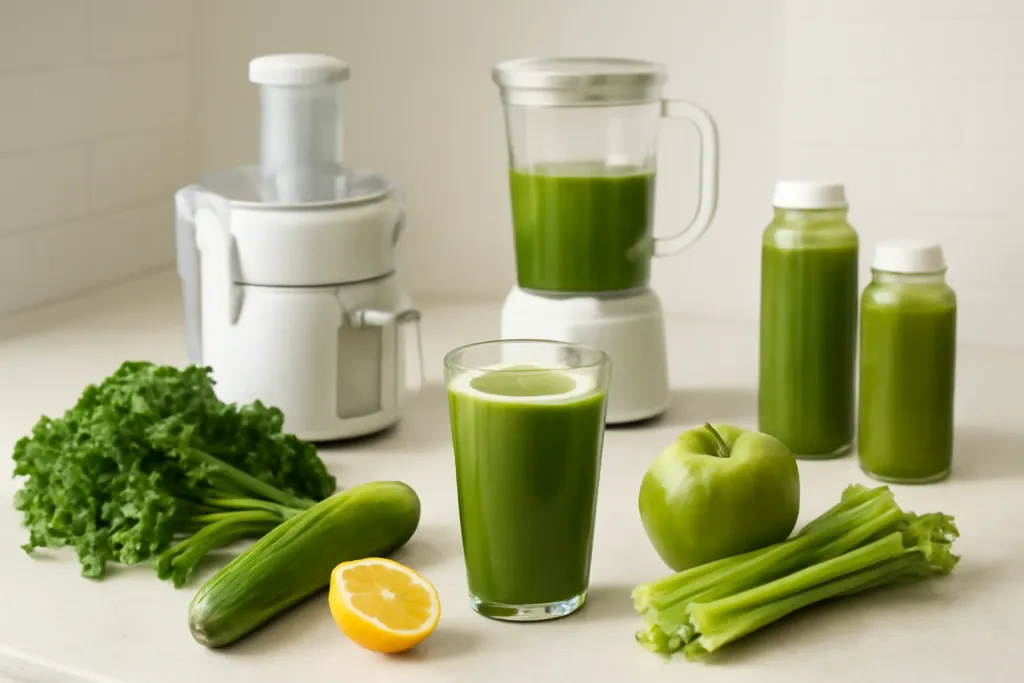
The cost to start juicing depends on how simple you want to keep it. At the most basic level, you need a way to extract juice, a place to store ingredients, and a few tools for prep and cleanup. You do not need to buy everything at once, and you do not need a kitchen full of specialty gear to make a first batch of green juice or a beginner smoothie.
For many beginners, the decision comes down to whether they want to juice, blend, or do both. Juicing usually requires a juicer, while smoothies can be made in a blender. Some households choose one appliance first and expand later. Others start with a blender because it can handle smoothies, chopped produce, and simple kitchen tasks beyond drinks.
To estimate startup cost, it helps to separate essentials from nice-to-haves. Essentials typically include the appliance, produce, and basic storage containers. Optional items might include a citrus press, a produce brush, a fine strainer, freezer-safe jars, or a set of reusable bags for pre-portioned ingredients.
The Main Appliance Is Usually the Biggest Cost
The largest part of the cost to start juicing is usually the appliance itself. A manual citrus tool is generally the simplest and least complex option, but it is limited to citrus. A blender is often the more versatile starter purchase if you want smoothies as well as blended fruit and leafy greens. A juicer is more specialized and is the better fit if your goal is to make juice rather than blended drinks.
Within each category, features can affect budget. Larger feed chutes, more speed settings, easier cleaning designs, quieter operation claims, and extra accessories may all influence what you pay. Those features can be appealing, but they are not required for a beginner setup. If you are trying to keep costs down, focus on basic functionality and ease of cleaning rather than extras you may not use right away.
It is also worth considering how often you expect to use the machine. A very inexpensive appliance can make sense for occasional use, while a sturdier midrange option may be more practical if juicing or blending becomes part of your weekly routine. The right choice depends less on a perfect feature list and more on how much kitchen space, cleanup time, and everyday convenience matter to you.
Produce Is a Recurring Cost, Not a One-Time Purchase
After the appliance, produce becomes the main ongoing expense. This is an important part of the cost to start juicing because the first shopping trip often includes more fruits and vegetables than a typical meal plan. Beginners may buy extra apples, cucumbers, celery, ginger, spinach, kale, carrots, lemons, or other ingredients to test different combinations.
That first basket can be shaped by your recipe habits. If you plan to make green juice, leafy greens and watery produce are common building blocks. If you are leaning toward smoothies, you may also add bananas, berries, yogurt alternatives, oats, or nut butters depending on what you want to make. The more ingredients a recipe requires, the higher the initial grocery bill can feel.
A practical way to control costs is to start with a small set of repeatable ingredients. Many beginners do better with a short grocery list than with a long recipe collection. That approach reduces waste, makes shopping easier, and helps you learn what you actually enjoy before buying specialty items. Seasonal produce can also help keep routines manageable, since you may be able to build simple drinks around what is already easy to find.
Storage and Prep Supplies Add Up Faster Than Expected
Storage is one of the most overlooked parts of the cost to start juicing. If you prepare drinks ahead of time, you may want bottles or jars that seal well and fit in the refrigerator. If you freeze smoothie ingredients, you may need containers or bags that can handle portions without leaking. For many beginners, these purchases are modest individually but add up when bought together.
Prep supplies also matter. Basic items like a cutting board, knife, vegetable peeler, measuring cups, and a produce brush can make the routine smoother. Some people also like a funnel, a small strainer, or labels for tracking batch dates. None of these are mandatory, but they can make storage and cleanup easier if you are planning more than the occasional glass.
Think about whether you want to make drinks fresh each time or prep ingredients in advance. Fresh preparation uses fewer containers, but it takes more time. Batch prep can save effort during busy mornings, but it may require more storage space and more organization. A beginner-friendly setup often starts with a few reusable containers instead of a large collection of specialized accessories.
Browse our recommended products
Our featured picks refresh periodically. While we update them, our editorial guides can help you find the right pick.
See our guidesSmall-Budget Setup vs. More Complete Setup
The cost to start juicing can be kept relatively low if you choose a simple path. A small-budget setup usually means one appliance, a short ingredient list, and only the storage pieces you truly need. This works well for someone who wants to test the habit before investing further. It also helps limit clutter, which matters if you have a small kitchen.
A more complete setup costs more because it covers more scenarios. That could include a juicer and a blender, multiple storage containers, freezer tools, cleaning brushes, and ingredients for both juice and smoothie routines. This approach may suit households that expect to use the equipment often or want flexibility between quick smoothies and fresh juice.
The middle ground is often the most practical. Many home cooks start with one appliance and a few good containers, then add items over time as their routine becomes clearer. That reduces the risk of buying duplicates or accessories that stay in the cabinet. It also gives you a better sense of what fits your schedule before you spend more.
How to Keep Your Startup Cost Lower
If you want to reduce the cost to start juicing, begin with a narrow plan. Pick a small number of recipes, shop for ingredients you already use in other meals, and avoid buying every accessory at once. This keeps the first month manageable and gives you a clearer picture of what your routine actually requires.
Another helpful strategy is to buy for versatility. Storage containers that work for both juice and chopped produce can be more useful than single-purpose items. A blender can serve smoothies, sauces, and other kitchen tasks. Even if you plan to add a juicer later, a versatile starter appliance can stretch your budget further.
Using what you already own is also a smart way to start. You may already have mason jars, glass bottles, freezer containers, or kitchen tools that can handle the job. Before shopping, check what can be repurposed safely for food storage. That reduces duplicate purchases and helps you focus your spending on the appliance or ingredients that matter most.
Planning Beginner-Friendly Green Juice and Smoothie Recipes
Recipe planning influences the cost to start juicing because the ingredients you choose determine how often you shop and how much you store. Beginner-friendly green juice recipes often use a small mix of greens, fruit for balance, and a watery base ingredient. Smoothies usually rely on a blend of fruit, greens, liquid, and optional add-ins for texture. Keeping recipes simple can make the first few weeks less expensive and less complicated.
For green juice, a short ingredient list is usually easier to manage than a long shopping list with many specialty items. For smoothies, frozen fruit can be helpful because it stores well and makes portioning easier. Both approaches work better when you rotate ingredients instead of buying many different items that may not get used up.
It can also help to choose recipes that reuse ingredients across the week. For example, if a bunch of spinach works in one juice and one smoothie, you are less likely to waste it. That kind of planning is often more useful than chasing variety too quickly. A simple rotation of ingredients is usually enough for beginners who want to build a lasting routine without overspending.
What to Expect Before You Buy
When people ask how much does it cost to start juicing, the answer is rarely a single number. A realistic budget depends on the appliance you choose, the storage items you need, and how much produce you plan to buy for the first week or two. The good news is that the entry point can be flexible. You can begin with a basic setup and build from there as your habits develop.
Before buying, ask a few simple questions. Do you want juice, smoothies, or both? Will you make drinks fresh, or prep ahead? Do you need one appliance or two? Do you already have storage containers and kitchen tools that can be used safely? Answers to those questions usually reveal whether your starting budget can stay lean or whether a more complete setup makes more sense.
In practical terms, the best first purchase is the one that matches your routine. If you keep the plan simple, the cost to start juicing can stay reasonable. If you want more convenience, storage, or flexibility, expect the budget to rise accordingly. Either way, a thoughtful starter setup is more useful than buying everything at once and hoping it all gets used.