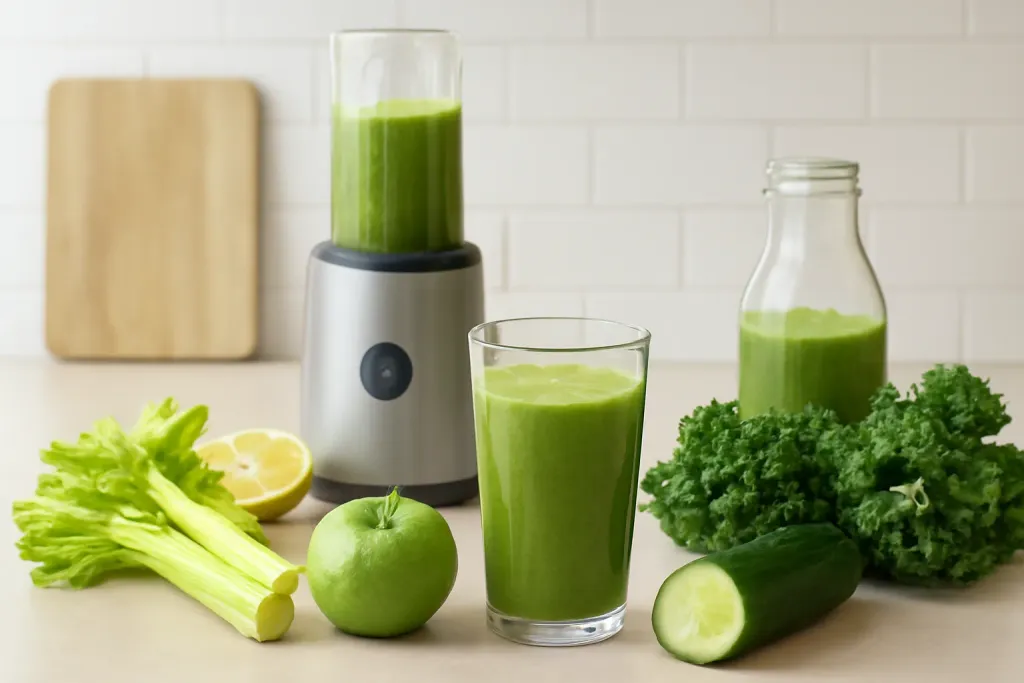
What a One-Person Household Needs in a Blender
A one-person kitchen usually benefits from equipment that is simple, compact, and easy to clean. A personal blender for one person should fit a smaller routine: quick smoothies, single-serve green drinks, sauces, and occasional frozen fruit blends without taking over the counter.
The best choice depends on how you actually use it. If you make one drink at a time, a personal-size jar or cup is often more convenient than a full-size pitcher. If you want to blend and go, a portable cup-style design can cut down on dishes. If you plan to handle tougher ingredients more often, a sturdier motor base and a better blade design may matter more than extras you will not use.
For solo living, the main goals are usually straightforward: enough capacity for one serving, a shape that fits in a cabinet or small shelf, and parts that can be rinsed or washed without much effort. That makes the category easier to narrow down before you start comparing features.
The Main Personal Blender Types
Most shoppers can narrow the choice to a few common styles. Each type suits a slightly different routine, and the best personal blender for one person is usually the one that matches your daily habits.
Blender with a single-serve cup: This is the most flexible option for many solo kitchens. You blend directly in the cup, then swap on a lid for carrying or storing. It works well for smoothies, simple green blends, and small-batch sauces.
Bullet-style personal blender: These are compact and often come with multiple cup sizes or lids. They are popular for quick prep and minimal cleanup. Their shape can be especially useful if cabinet space is tight.
Portable rechargeable blender: This style is designed for convenience away from an outlet. It may suit a desk, travel bag, or very small kitchen, but it is usually best for softer ingredients and smaller batches.
Compact countertop blender with personal jar: This is a good middle ground if you want more versatility. It may take up a little more room, but it can be helpful if you sometimes make a larger smoothie or want more blending control.
Each type can work in a one-person household. The question is less about which style is objectively best and more about which one fits your space, your cleanup tolerance, and the ingredients you use most often.
Features That Matter Most When You Shop
For a personal blender for one person, a few features are more important than a long list of extras. Start with the basics that affect daily use.
Capacity: A single-serve container should be large enough for your typical smoothie or juice-style blend, but not so big that small batches become awkward.
Lid design: If you plan to blend and take the drink with you, a secure lid or travel cap can be more useful than a second cup.
Ease of cleaning: Smooth cups, simple blade assemblies, and dishwasher-safe parts can reduce the friction that keeps people from using a blender regularly.
Counter and storage footprint: A compact base or nested accessory set matters in smaller kitchens, especially if you keep appliances out of sight between uses.
Control simplicity: One-button operation, pulse control, or a small set of speed options is often enough for solo use.
If you like green smoothies, look for a model that handles leafy ingredients without leaving you with a lot of unblended bits. If you prefer fruit-forward drinks, you may care more about how easily the blender handles ice or frozen pieces. Matching the feature set to your usual ingredients is more useful than chasing the longest spec sheet.
Choose Based on the Ingredients You Use Most
The best personal blender type changes depending on what you put in the cup. A one-person household often has a repeating pattern: the same breakfast smoothie, a quick afternoon drink, or a basic sauce made from a small list of ingredients.
If your blends are mostly soft fruit, yogurt, milk alternatives, or tender greens, a compact personal blender is usually enough. If you like frozen fruit, nut butter, seeds, or extra-fibrous greens, it helps to choose a model with a little more motor strength and a blade system suited to thicker mixtures. That does not mean you need a large machine; it means the design should be appropriate for the texture you want.
For beginner-friendly green smoothies, a simple formula works well: liquid first, then greens, then fruit, then any extras such as seeds or oats. This order helps the blender move ingredients more easily. For green juice-style blends made in a blender, you may want to keep the texture lighter and strain only if that fits your preference. A personal blender can support both styles, but the outcome depends on the recipe and how full the cup is.
Think about batch size too. A one-person household rarely needs to overfill a cup just to justify the appliance. Choosing a container that fits your regular serving is usually a better way to keep the blend consistent and the cleanup manageable.
Browse our recommended products
Our featured picks refresh periodically. While we update them, our editorial guides can help you find the right pick.
See our guidesStorage and Small-Space Considerations
Solo kitchens often need appliances to earn their place. When storage matters, the best personal blender for one person is usually the one that is easiest to tuck away and retrieve.
Before buying, consider where the blender will live. If it stays on the counter, check the base size and cord length. If it goes in a cabinet, look at the height of the assembled unit and whether cups nest inside the base or stack efficiently. A bulky design can be frustrating even if it performs well.
Accessory count also matters. Some people prefer multiple cup sizes and travel lids, while others want the fewest possible parts. Fewer pieces can mean faster cleanup and easier storage. If you already have limited cabinet room for meal-prep containers, bottles, or kitchen tools, a simpler blender setup may be the better long-term fit.
For renters, dorm rooms, and compact apartments, portability can be a practical advantage. A lighter base and a cup that doubles as a drinking container reduce the number of items you need to keep track of. That simplicity is often what makes a personal blender get used regularly instead of staying in storage.
Cleanup and Maintenance for Everyday Use
Cleanup is one of the biggest factors in whether a blender becomes part of your routine. A personal blender for one person should make it easy to blend, rinse, and move on.
Look for parts that separate easily and do not require a complicated setup. A cup you can rinse right after use is helpful, especially if you blend sticky ingredients like banana, dates, or nut butter. Dishwasher-safe components can also be a plus, though some people prefer quick hand-washing for the cup and lid.
Regular maintenance is simple but important. Avoid letting residue dry inside the blade area, and follow the manufacturer’s instructions for cleaning. If the blender has a gasket or sealing ring, check that it is seated properly before each use. For best everyday results, use the appliance as intended and do not overload it beyond the amount meant for a single serving.
In a one-person home, convenience tends to determine whether a device gets used daily. When cleanup is easy, you are more likely to make a smoothie before work or blend a snack without turning it into a chore.
Beginner-Friendly Green Smoothie and Blended Drink Ideas
If you are new to a personal blender, start with simple recipes that use familiar ingredients and a short prep list. The goal is to learn the texture you like and see how your blender handles different combinations.
Simple green smoothie: Start with water or milk alternative, add a handful of spinach, then banana and a piece of frozen fruit for sweetness and body. This is a common beginner blend because it is easy to adjust.
Cucumber-apple blend: Combine cucumber, apple, a little lemon juice if you enjoy it, and enough liquid to help the blades move. This creates a light, fresh drink without many ingredients.
Berry-oat breakfast blend: Use berries, a small amount of oats, and your preferred liquid. This can be useful when you want a more filling morning option in a single cup.
Basic herb smoothie: If you like a more savory profile, try leafy greens with cucumber and a small amount of fresh herb. Keep the recipe simple at first so you can judge the flavor balance.
For a personal blender, smaller and more balanced recipes often blend better than oversized ones. If the mixture is too thick, add liquid gradually. If the texture is too thin, reduce the liquid next time. A one-person household can benefit from this kind of trial-and-adjust approach because it keeps ingredient waste low.
How to Narrow the Choice Before You Buy
The easiest way to choose the best personal blender type is to match the appliance to your routine, not to a long feature list. Start with three questions: How often will you use it, what will you blend most often, and where will you store it?
If you want fast, low-effort smoothies and minimal cleanup, a bullet-style or single-serve cup blender is often the most practical answer. If you want occasional extra capacity or a little more versatility, a compact countertop blender with a personal jar may be worth the extra space. If you need a blend-and-carry option for a desk, commute, or tiny kitchen, a portable model may be the most convenient.
For a one-person household, the best personal blender is usually the one that feels easy enough to use on an ordinary day. When the size, container, and cleanup match your lifestyle, you are more likely to use it regularly for simple green smoothies, fruit blends, and other everyday recipes.