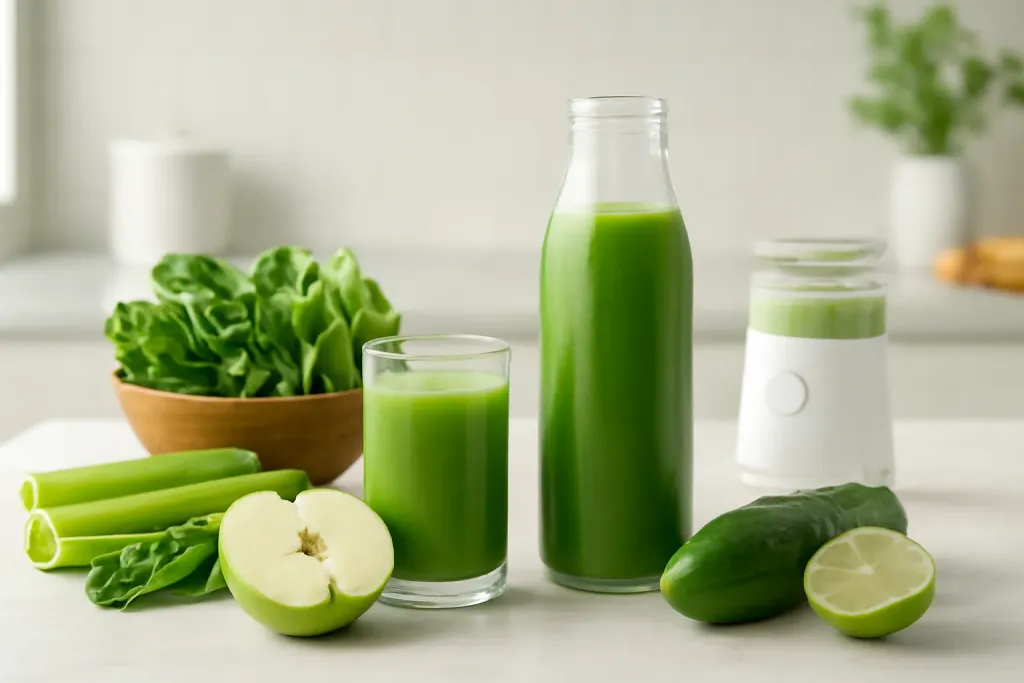
What Personal Blender Wattage Means
Personal blender wattage is the electrical power rating of the motor. In simple terms, it tells you how much power the blender can draw while it is running. For shoppers comparing models, wattage is one of the first specs people notice because it is easy to compare and often tied to expectations about blending speed and the kinds of ingredients a blender can handle.
That said, wattage is only one part of the picture. A higher number does not automatically mean a better blender for every kitchen. Jar shape, blade design, motor efficiency, controls, and how long the blender can run without overheating all affect real-world use. For a personal blender, the best wattage is the one that matches your routine, your ingredients, and the size of the servings you want to make.
When people search for personal blender wattage, they are usually trying to figure out whether a compact blender is strong enough for their go-to smoothies, soft fruit, leafy greens, nut butters, or ice. That is a practical question, and the answer depends on what you blend most often rather than on a single “best” number.
How Much Wattage You Actually Need
For light everyday blending, lower wattage can be enough. If your routine is mostly soft fruit, yogurt, protein powder, or pre-cut ingredients, a modest motor may do the job well. These blenders are often smaller, simpler to store, and easier to fit on a crowded counter or in a dorm, office, or small apartment kitchen.
As wattage increases, a personal blender may have more headroom for tougher tasks like crushed ice, frozen fruit, and denser greens. If you want a smoother texture from fibrous ingredients, extra power can help the blender keep moving without stalling. That does not mean every high-wattage model is automatically better, but it may be more forgiving when your ingredients are not perfectly soft or evenly cut.
A helpful way to think about wattage is by use case:
- Lower wattage: best for softer ingredients, basic smoothies, and simple single-serve blending.
- Mid-range wattage: a balanced option for mixed fruit, greens, and occasional ice.
- Higher wattage: useful if you blend frozen ingredients often or want more confidence with thicker mixtures.
If you are mainly making beginner-friendly smoothies or quick green juice-style blends, mid-range power is often a practical place to start. It offers flexibility without pushing you into a machine that may be larger or more complicated than you need.
Wattage vs. Blending Performance
Wattage matters, but it does not work alone. Two blenders with the same motor power can behave differently depending on how the rest of the design supports the motor. A well-designed blade assembly can move ingredients more effectively than a poorly designed one, even if the wattage is similar. The shape of the cup or jar also matters because it affects how ingredients circulate toward the blades.
Another factor is how the blender is built to manage load. Some personal blenders rely on short bursts of power, while others are better suited to longer blending cycles. If a blender has a strong motor but poor airflow or limited thermal protection, it may not feel as capable in real use as the wattage number suggests.
For shoppers, this is why it helps to read wattage as a starting point rather than a promise. If your ingredients are very soft, a lower-powered blender can still feel effective. If your ingredients are frozen, fibrous, or packed tightly into the cup, a higher wattage can help, but the container design and blade geometry still shape the result.
In other words, power is useful, but performance comes from the whole system. That is especially true for a compact blender, where small design choices can make a noticeable difference in how smoothly ingredients move and how easy the machine is to use and clean.
Ingredients That Challenge a Blender
Some ingredients are naturally harder on a personal blender than others. Frozen fruit can be dense and slippery. Leafy greens can bunch up if there is not enough liquid or circulation. Ice can be demanding if the blender is small, the jar is narrow, or the motor is not built for that task. Seeds, nuts, and fibrous produce can also require more from the motor and blades.
If your smoothies often include spinach, kale, celery, ginger, flax, chia, or frozen berries, it can be worth looking beyond the wattage number alone. These ingredients benefit from enough power to keep movement going, but they also respond to good prep. Cutting produce smaller, adding liquid first, and avoiding overfilling the cup can make a noticeable difference regardless of motor size.
For beginner green smoothie makers, a personal blender with adequate wattage is helpful, but technique matters too. A stable base, a secure cup connection, and a jar that encourages circulation can reduce the chance of stuck ingredients. If you plan to blend thicker mixtures often, seek a model that balances power with a cup shape designed for moving ingredients back toward the blades.
It is also worth noting that personal blenders are typically designed for single-serve batches. Packing in too much frozen material at once can strain the motor even if the wattage seems high on paper. A better approach is usually to work within the cup’s intended capacity and add ingredients in an order that supports blending.
Browse our recommended products
Our featured picks refresh periodically. While we update them, our editorial guides can help you find the right pick.
See our guidesWhat Higher Wattage Can and Cannot Do
Higher personal blender wattage can improve how confidently a blender handles demanding ingredients, but it does not solve every problem. A stronger motor may reduce stalling, help maintain speed under load, and make it easier to work with frozen or fibrous ingredients. For buyers who want one compact appliance for a wider range of recipes, that flexibility can be appealing.
However, more wattage does not guarantee a smoother texture, a quieter machine, or a longer lifespan. A strong motor paired with weak airflow, poor seals, or a flimsy cup may still disappoint. Likewise, a very powerful personal blender can be more than a beginner needs if the main goal is simple fruit blends or quick morning smoothies.
It also helps to think about heat and wear. A motor that is pushed hard over and over may need more cooling time, especially if the blender is used back-to-back or overloaded. Reading the manufacturer’s recommended capacity and blending cycle guidance is a smart habit, because wattage alone does not tell you how the blender is meant to be used safely and effectively.
For many home users, the real value of higher wattage is not “more speed at all costs.” It is the ability to handle a broader range of recipes with less guesswork. If that sounds useful, it may be worth prioritizing. If your recipes are simple, a more modest power level may be perfectly reasonable.
Other Specs to Check Before You Buy
If you are comparing personal blenders, look at more than wattage. The first spec to check is capacity. A blender can have strong power but still be too large for your space or too small for the servings you want. Since personal blenders are usually built for single portions, the cup size should match your typical smoothie or juice-style prep.
Next, consider control style. Some blenders use one-touch blending, while others offer multiple speeds or pulse functions. Simple controls can be ideal for beginners, while more options may help if you want greater control over texture. Pulse functions are particularly useful for short bursts when you want to break up frozen pieces before blending fully.
Material and cleanup matter too. Cups that are easy to rinse, lids that seal securely, and parts that separate without much fuss can make a big difference if you use the blender daily. If you prefer to batch prep ingredients for the week, it can also help to think about how the blender cup and any storage containers fit into your routine.
Finally, check the manufacturer’s instructions for what the blender is intended to process. Some models are designed mainly for smoothies and soft ingredients, while others are built to manage ice or tougher loads. A clear use case is often more useful than a headline wattage number alone.
Matching Wattage to Your Routine
The best personal blender wattage depends on what you actually make most often. If your routine is mostly banana smoothies, soft fruit blends, or quick breakfast drinks, a lower or mid-range motor may be enough. If you often add frozen fruit, leafy greens, or small amounts of ice, extra wattage can provide a more comfortable margin.
For households that want an appliance mainly for beginner smoothie recipes, a balanced model is often the most practical choice. It gives room to experiment with new ingredients without making the blender overly bulky or complicated. That can matter if you are also trying to save cabinet space or keep the countertop uncluttered.
If you plan to use the blender for meal prep, travel cups, or quick post-workout drinks, convenience may matter as much as motor strength. A machine that fits your storage habits and cleaning routine is more likely to get used regularly than one with a big wattage number but awkward design.
A simple rule of thumb is this: choose the least complicated blender that still handles your regular ingredients comfortably. If you frequently need more power, move up. If your recipes are simple and you mainly want speed and convenience, you may not need the highest number available.
Quick Buyer Takeaway
Personal blender wattage is useful because it gives you a fast sense of motor strength, but it should never be the only thing you compare. Think of it as one part of a larger picture that includes jar design, blade system, controls, capacity, and cleaning ease. Together, those features determine whether a blender feels genuinely helpful in daily use.
For many shoppers, a mid-range personal blender offers the best balance of flexibility and simplicity. It can handle a wider range of ingredients than a very basic unit while staying compact enough for everyday storage. If you blend mainly softer ingredients, a lower-wattage model may still be a smart, space-saving pick. If you regularly use frozen fruit or denser greens, a stronger motor may be worth considering.
The most practical approach is to match power to your routine, not to the biggest number on the box. That way, you are more likely to end up with a blender that supports quick smoothies, simple green drink prep, and easy cleanup without paying for features you will not use.