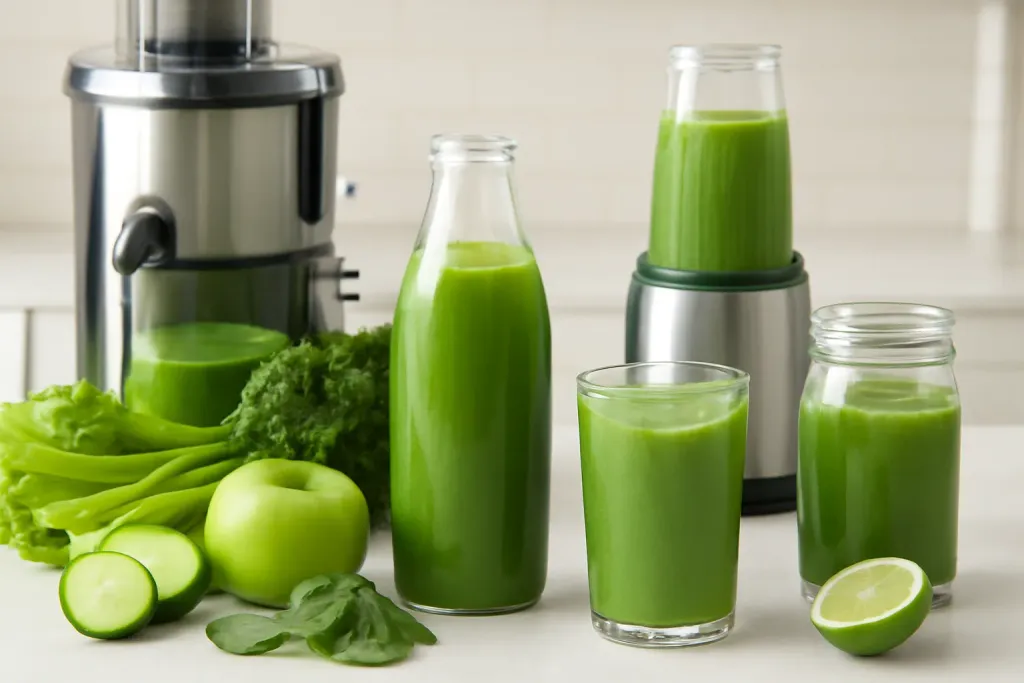
Personal Blender vs. Countertop Blender: The Basic Difference
When comparing a personal blender vs countertop blender, the main difference is size and intended use. A personal blender is usually designed for one serving at a time, with a compact cup or jar that often doubles as a travel container. A countertop blender is built with a larger pitcher and is better suited to making multiple servings, blending bigger batches, and handling a wider range of kitchen tasks.
That simple distinction affects everything else: counter space, storage, cleanup, recipe planning, and how often you blend. If you mostly make a single smoothie before work, a personal model may feel easier and less bulky. If you prepare drinks for more than one person, or you like making larger batches of smoothies, sauces, or frozen blends, a countertop model may be the more practical choice.
For GreenJuiceADay readers, the most useful way to think about this comparison is not “which is best overall,” but “which fits the way I actually blend.” The right blender is the one you will reach for often, clean easily, and store without annoyance.
Size, Capacity, and Counter Space
Capacity is one of the clearest differences in the personal blender vs countertop blender decision. Personal blenders are made for smaller amounts, which is helpful if you blend one portion at a time and want a compact appliance that does not dominate the kitchen. Countertop blenders generally offer larger jars, making them better for family use, batch prep, and recipes that need more room for ingredients to move around.
Counter space matters too. A personal blender can often tuck into a cabinet, pantry shelf, or narrow appliance zone. That makes it appealing for small apartments, dorm-style setups, or kitchens where every inch counts. A countertop blender usually asks for a more permanent home, especially if it is tall enough to sit under cabinets only when the pitcher is removed.
Storage also matters after blending. If your routine includes making one smoothie and heading out the door, a personal blender cup that becomes a drink container can reduce extra dishes. If you prefer keeping blended drinks in the fridge for later, a countertop pitcher may be more convenient for pouring into separate bottles or jars.
Which Blender Fits Your Usual Recipes?
Your typical recipes should guide the decision. Personal blenders are often a natural fit for simple smoothies, protein shakes, soft fruit blends, and single-serve green drinks. They are especially handy when you want a quick mix without preparing a large batch. For beginners, that smaller scale can make it easier to keep ingredients organized and avoid overfilling the container.
Countertop blenders are usually better for larger smoothies, blended drinks for two or more people, frozen fruit mixtures, and recipes that benefit from a wider pitcher. If you make soups, purees, nut-based sauces, dips, or blended breakfast bases in larger quantities, the countertop format gives you more flexibility.
For beginner-friendly green juice and smoothie routines, both styles can work, but the experience is different. A personal blender may be ideal for a straightforward spinach-banana smoothie or a cucumber-green apple blend when you want one serving. A countertop blender is more useful if you want to prep a full pitcher of smoothie mix or create a larger base that can be portioned across the week.
Ingredients, Texture Goals, and Blending Flexibility
Ingredient choices matter as much as container size. In a personal blender vs countertop blender comparison, the countertop option typically offers more flexibility when ingredients are dense, frozen, or high in volume. A larger jar gives ingredients more space to circulate, which can help when you are combining lots of greens, ice, fruit, and liquid.
Personal blenders are often best when the ingredient list is short and manageable. They work well for soft fruits, leafy greens, liquid bases, yogurt, and simple add-ins. If your smoothie or juice-inspired drink uses more ice, frozen fruit, or thicker components, you may need to be more careful not to overload a smaller cup.
That said, the right choice is not only about power or size; it is about the style of recipes you enjoy. If you like quick, minimal-ingredient blends, a personal unit may feel efficient. If you want more room to experiment with texture, batch size, and recipe variety, a countertop blender usually gives you more room to grow.
Browse our recommended products
Our featured picks refresh periodically. While we update them, our editorial guides can help you find the right pick.
See our guidesCleanup, Storage, and Daily Convenience
Cleanup is one of the biggest quality-of-life differences between a personal blender vs countertop blender. Personal blenders often have fewer parts and smaller containers, which can make rinsing and washing feel simpler. Some models are especially convenient because the blending cup becomes the drinking cup, reducing the number of items you need to clean or store.
Countertop blenders can still be easy to maintain, but their larger pitchers, lids, and blades may require more sink space and a bit more handling. If you blend every day, that difference can influence whether you use the appliance consistently or leave it in the cabinet.
Storage is worth thinking about before you buy. Personal blenders can fit better in tight spaces and are easier to put away when not in use. Countertop models need more room, and the pitcher shape may be awkward in smaller cabinets. If your kitchen is already crowded with cookware, a compact blender may be the more realistic choice for frequent use.
Questions to Ask Before You Choose
If you are undecided, start with a few practical questions. How many servings do you usually make at one time? Do you need a blender mostly for quick smoothies, or for larger kitchen prep? How much counter and cabinet space can you realistically spare? The answers will usually point you toward one style more clearly than any feature list.
It also helps to think about your habits. If you want a blender you can keep out and use every morning, a compact personal model may remove friction. If you batch cook, meal prep, or make blended recipes for more than one person, a countertop blender may be worth the extra space.
Consider the container style too. A personal blender with a travel-friendly cup can be useful for commuting or taking a drink to work. A countertop blender with a larger pitcher may be better if you pour into reusable bottles, store leftovers, or like making a base recipe in one round.
Simple Green Juice and Smoothie Ideas for Either Blender
Whether you choose a personal blender or a countertop blender, it helps to keep recipes simple at first. A beginner-friendly green smoothie often starts with a liquid base, a handful of leafy greens, a piece of fruit, and optional extras such as seeds or yogurt. The goal is to build a routine that feels easy to repeat, not complicated to maintain.
For a personal blender, use smaller portions and keep ingredients balanced so the container is not overcrowded. For example, a spinach, banana, and cold water smoothie can be a simple starting point. For a countertop blender, you can scale the same idea into a larger batch or add more ingredients without crowding the jar.
If you like green juice-inspired drinks but do not own a juicer, a blender can still help you make a smoother, drinkable mix. You can blend greens, cucumber, apple, lemon juice, and water, then strain if your recipe or preference calls for a lighter texture. That approach works in either blender type, though the countertop version is usually easier for larger batches.
A Simple Way to Match the Blender to Your Routine
The best personal blender vs countertop blender choice comes down to how you live day to day. Choose a personal blender if you want something compact, quick to clean, easy to store, and well suited to single servings. Choose a countertop blender if you want larger capacity, more recipe flexibility, and a better fit for batch preparation or family use.
If you are buying for beginner-friendly smoothies and green drinks, a personal model often feels less intimidating. If you are thinking beyond smoothies and want one appliance to cover more prep tasks, a countertop blender may offer better long-term usefulness. Neither choice is universally right; each one solves a different kitchen problem.
The most practical purchase is the one that supports your routine without creating extra work. If the blender is easy to reach, easy to clean, and sized for the amount you usually make, you are more likely to use it consistently and enjoy the process.