How to make wheatgrass juice
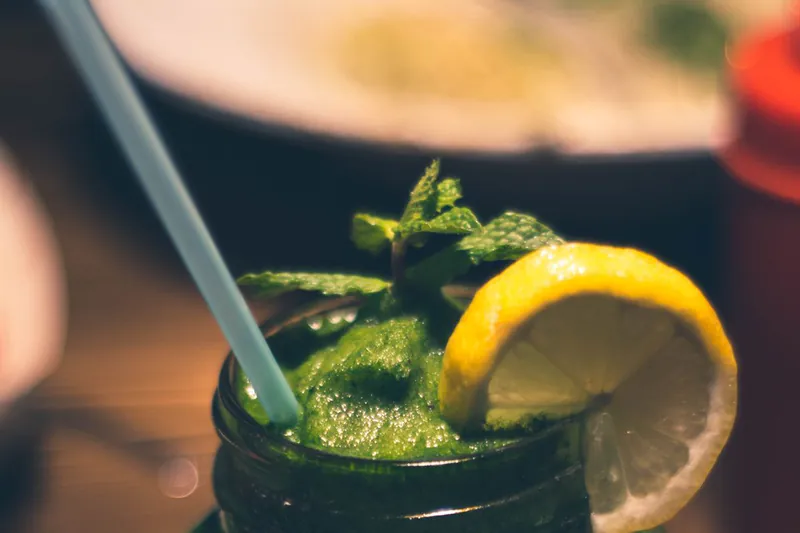
Quick answer. Cut 60 g of fresh wheatgrass and feed it through a masticating juicer with half a green apple and half a peeled lemon. It makes at least 3 fl oz (70 ml). A blender with a nut milk bag works too.
| US | Metric | Ingredient |
|---|---|---|
| about 2 oz | 60 g | fresh wheatgrass blades, cut above the roots and rinsed |
| 1/2 medium | 91 g | green apple, cored |
| 1/2 lemon | 35 g | lemon, peeled |
Per serving, estimate
| Calories | at least 60 |
|---|---|
| Sugars | at least 10 g |
| Fiber | not estimated (juicing and straining remove most of it) |
| Vitamin K | at least 2 µg (2% DV) |
| Potassium | at least 150 mg |
Cut the wheatgrass with clean scissors about 1/2 in above the soil, or buy it cut. Rinse it in a bowl of cold water and drain it well.
Cut the apple and lemon into pieces that fit the chute.
Run the juicer slowly. Feed the wheatgrass a small bunch at a time, folded into a loose roll, and follow it with a piece of apple to push it through.
Add the lemon last. Stir the juice and pour it into a small glass.
Storage. There is no official storage time for homemade juice, so we do not give a day count. Drink it right after making. If you must store it, use an airtight container filled to the top, keep it in a refrigerator at 40 °F (4 °C) or below and finish it as soon as you can, or freeze single servings straight after making and treat thawed juice like fresh juice.
General information, not medical or nutrition advice. See the recipe and nutrition disclaimer.
Put the wheatgrass, apple and lemon in the blender with 120 ml (1/2 cup) of cold water.
Blend on high for 60 seconds. Wheatgrass is fibrous, so the mixture will look coarse.
Strain through a nut milk bag over a jug and squeeze hard. A plain strainer leaves more fibre in the glass.
Each row swaps one ingredient for the same weight of another (or leaves it out) and shows what changes in the serving. The numbers come from USDA values, not from taste.
| Swap | How | Sugars | Calories | Vitamin K |
|---|---|---|---|---|
| apple → pear | Same weight of pear. | −0.6 g | +5 kcal | +2 µg |
| apple → cucumber | Same weight of cucumber. | −7.9 g | −34 kcal | +13 µg |
| lemon → lime | Same weight of lime. | −0.3 g | 0 kcal | 0 µg |
Wheatgrass is a grass, not a leafy green, and its blades are thin and stringy. That is why the recipe calls for a masticating (slow) juicer, or a blender and a nut milk bag.
USDA FoodData Central (SR Legacy) has no wheatgrass entry, so the nutrition panel counts only the apple and lemon and every figure is 'at least'.
As an Amazon Associate, GreenJuiceADay earns from qualifying purchases. See our affiliate disclosure.
$9.99$9.20
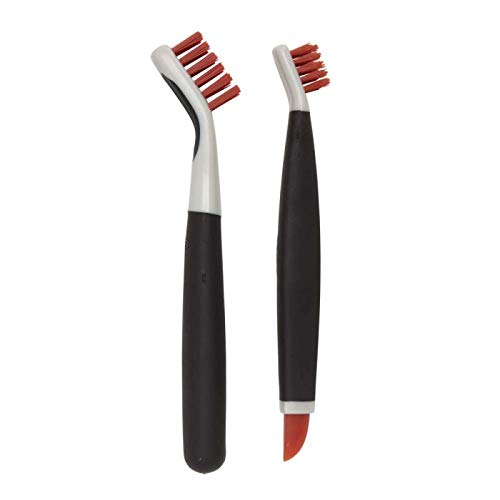
View on Amazon (OXO Good Grips Deep Clean Brush Set, Orange, Blue | 2-Pieces, Small and Large Brushes, Sturdy Nylon Bristles, Nonslip Handles, Reaches Tight Spots, Cleaning Essentials, Bathroom)$599.00
View on Amazon (Nama J2 - Cold Press Juicer - Hands-Free - Black | Award-winning - Wide Mouth Hopper fits a whole recipe - Zero Waste Masticating - High Yield Juice, Less Pulp - Easy to Clean)$10.79
View on Amazon (EIKS 10 Pack Juicer Cleaning Brushes, Blenders Scrub and Housecleaning | Multi-Purpose for Juicers, Bottle Bottom, Jars, Dishes, Sink, Pots, Pans, Shower, Tile)$199.99$139.99
View on Amazon (EanOruus Juicer Machines, 3-in-1 Cold Press Juicer, Premium Gray | Makes Juice, Nut Milk & Sorbet, 6.5" Extra Large Chute, 100oz Large Capacity, AC Motor)$88.34$49.99
View on Amazon (INSMART Juicer Machines, 3-in-1 Cold Press Juicer High Juice Yield | 300W Slow Masticating JuicerS Extractor Machine for Whole Fruits/Vegetables, Low Noise and Safety Lock)$339.99$129.99
View on Amazon (Anybear 200W Cold Press Juicer, 4.3" Whole Fruit Chute, Tritan & BPA-Free | Slow Masticating Juice Machine, Fit Whole Fruits/ Vegetables, Upgraded Heavy-Duty Auger, Easy to Clean, Digital Juice Recipes)$49.99
View on Amazon (Cold Press Juicer Slow Masticating Machine with 5.5 Inch Chute(Silver) | Wide Feed Chute, For Whole Fruits And Vegetables, Easy To Clean, Gray Finish, Slow Juicing For Fresh Juice)$179.99$128.98
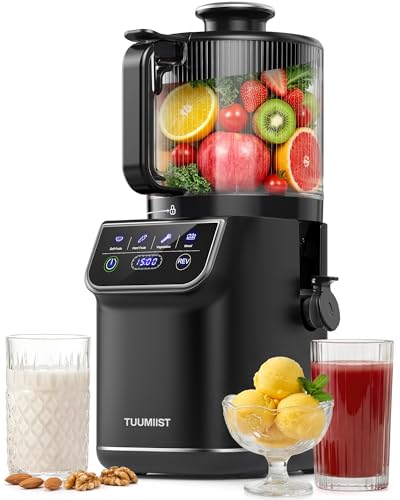
View on Amazon (TUUMIIST 3-in-1 Cold Press Juicer Machine, Smart Touch Masticating Juicers for Whole Fruit & Vegetable, 6.5" Wide Chute Slow Juicer for Nut Milk & Sorbet, High Yield, 100oz Large Capacity, Easy Clean)Prices and availability were accurate when retrieved from Amazon and may change. Retrieved Nov 15, 2026.
Amounts are weights in grams; the cup and spoon equivalents come from USDA portion data. Yield is a minimum: it counts the water, citrus (from our citrus data) and the produce that has a figure in the planner's juicer-maker table, and leaves out fresh wheatgrass blades. It changes with your juicer and with how fresh the produce is. Checked 2026-11-14.
This article reflects independent editorial research and disclosed buying criteria. This is not medical, nutritional, or professional advice. Some links on this page are Amazon Associates affiliate links; see our affiliate disclosure for details.