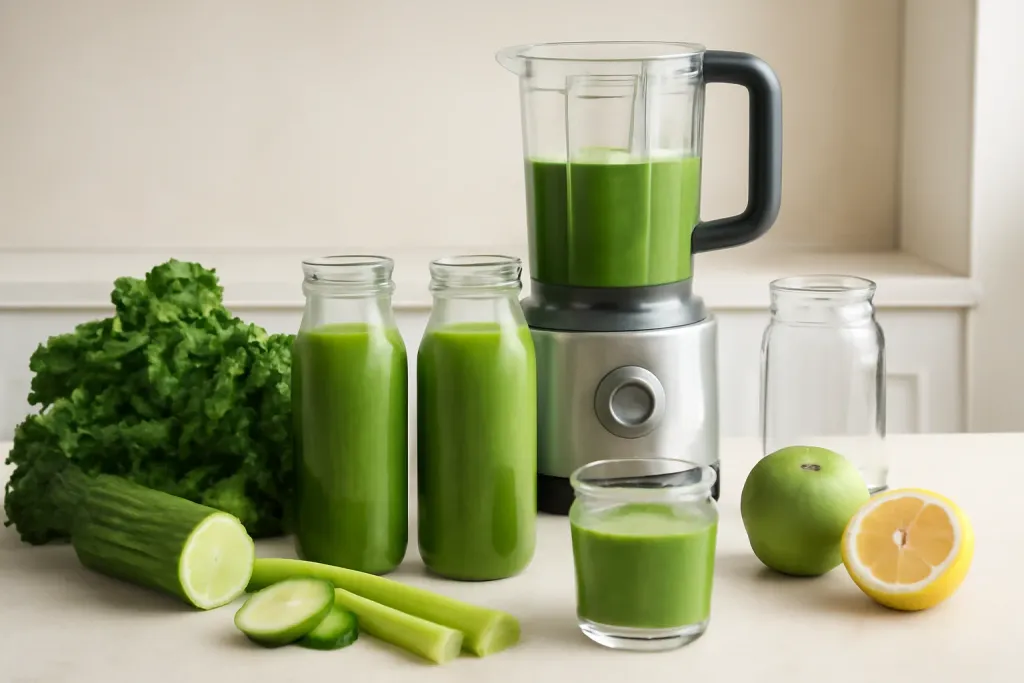
What High-Speed Blender Jar Material Means
When people compare blenders, the motor often gets most of the attention, but the jar matters just as much. The high speed blender jar material affects how the blender feels to use, how easy it is to clean, how heavy it is on the counter, and how well it fits into an everyday routine. For home smoothie and juice-adjacent prep, the jar is the part you handle the most, so the material choice has a real impact.
In simple terms, jar material refers to what the blending container is made from, such as plastic, glass, or stainless steel. Each one brings different strengths and tradeoffs. Some are lighter and easier to carry, while others feel more substantial or may be preferred for heat resistance. For an Amazon shopper comparing beginner-friendly kitchen gear, understanding these differences can make it easier to choose a blender that matches the way you actually cook and clean.
It also helps to remember that the jar works together with the blade assembly, lid, and base. A strong motor does not automatically make every jar ideal for every task. The best choice depends on what you blend most often, whether you want a lighter container for frequent use, and whether you care more about visibility, durability, or ease of maintenance.
Common Jar Materials and Their Tradeoffs
The most common high speed blender jar material options are plastic, glass, and stainless steel. Plastic jars are widely used because they are generally lightweight and easy to handle. They are often a practical fit for busy kitchens, especially when the blender gets used daily for quick smoothies, frozen fruit blends, or simple green drinks. Many shoppers like that plastic jars make it easy to see ingredients while blending.
Glass jars appeal to people who prefer a heavier, more classic feel. Glass is clear, so you can watch the contents move around, which is useful for beginners learning how much liquid to add or when to stop blending. The downside is weight. A glass jar can be more awkward to lift, especially when full, and it may be less convenient for someone who wants a blender that feels easy to move between counter and sink.
Stainless steel jars are less common for everyday countertop blenders, but they do have a place. They are opaque, which means you cannot see the contents while blending, but they may suit users who prioritize a durable feel and a more closed-off container. Because you cannot monitor the mixture visually, this style may be less beginner-friendly for people still learning their preferred texture.
There is no single best material for everyone. The right choice depends on how you blend, how often you wash by hand, and whether you value visibility, light weight, or a sturdier feel more than the others.
Why Material Matters for Everyday Use
Jar material is not just a design detail. It affects several parts of the daily blending experience. Weight is one of the biggest differences. A lighter jar is easier to lift, pour from, and store, especially if you make smoothies in the morning before the rest of the kitchen is fully in use. Heavier jars can feel steadier on the counter, but they may be less convenient when the jar is full of liquid and ice.
Visibility is another practical factor. Clear jars let you see if spinach leaves are fully incorporated, whether fruit chunks remain, or if the mixture needs a little more liquid. That can be helpful for new blender owners who are still figuring out the right fill level and blending sequence for smoothies or simple green blends. Opaque jars remove that visual check, which may make the process feel more guesswork-driven for some users.
Cleaning also matters. A jar with a wide opening, smooth interior shape, and simple lid design is generally easier to rinse and scrub. Material can influence whether the jar feels easy to manage after thick blends or sticky ingredients. People who make recipes with nut butter, frozen fruit, or leafy greens often appreciate jars that are straightforward to wash without a lot of crevices.
Finally, think about storage and handling. If your blender lives on the counter, the weight and footprint may matter less than if it gets put away after each use. If it is stored in a cabinet, a lighter jar may be easier to handle repeatedly. Small details like this can make a big difference in whether a blender feels convenient enough to use often.
Safety and Heat Considerations
One of the reasons shoppers compare high speed blender jar material carefully is safety. Different materials handle temperature, impact, and everyday wear in different ways. If you blend mostly cold ingredients, such as frozen fruit, greens, cucumber, or ice, many jar types can work well. If you sometimes blend warm ingredients, the material choice may become more important.
Glass is often associated with better heat tolerance than some plastics, but that does not mean every glass jar is suitable for every hot ingredient. Sudden temperature changes can be a concern for glass, so it is still wise to follow the manufacturer’s guidance. Stainless steel can also handle warmth well, but because it is opaque, it is less convenient if you like to keep an eye on the texture as you blend.
Plastic jars vary more widely. Some are designed to be tough and lightweight, while others may show wear more quickly if exposed to repeated heavy use. For consumer-facing decision-making, the safest approach is to check the product instructions rather than assume all plastics or all glass jars behave the same way. The material alone does not tell the whole story; jar design and intended use matter too.
If you are blending with children around or prefer a lighter container to carry, plastic may feel more manageable. If your priority is a more rigid feel and easy visibility, glass may be appealing. In either case, a secure lid and proper handling are just as important as the jar material itself.
Browse our recommended products
Our featured picks refresh periodically. While we update them, our editorial guides can help you find the right pick.
See our guidesChoosing a Material for Smoothies and Green Drinks
For beginners making smoothies and simple green drinks at home, the most practical high speed blender jar material is usually the one that makes the process easiest to repeat. If you want a quick, low-fuss routine, a lightweight plastic jar may be the most forgiving option. It is easier to pour from, easier to carry, and often easier to handle when making one or two servings at a time.
If you like to watch the ingredients blend and prefer a more substantial feel, glass may be the better fit. This can be useful when you are experimenting with new combinations, such as spinach with banana, apple with cucumber, or other beginner-friendly mixtures. Being able to see the texture can make it easier to stop at the right moment.
For people who blend thick recipes regularly, the jar material should also be considered alongside jar shape. A tall, narrow jar can behave differently from a wider one, even if both are made from the same material. The container shape can affect how ingredients circulate, how easy it is to scrape out the last bits, and how comfortable the blender is to use with smaller batches.
Because many home users are looking for simple daily habits rather than specialty performance, the best approach is to prioritize ease of use. A jar that feels awkward or heavy may end up sitting unused, even if it sounds impressive on paper. A practical jar can support more consistent blending at home.
Cleaning, Storage, and Durability
Cleaning is one of the biggest reasons people care about blender jar material. A jar that is simple to rinse and easy to dry can make the difference between using the blender once in a while and using it regularly. Plastic is often appreciated for being light enough to carry to the sink without strain. Glass can also clean easily, but the added weight may matter when the jar is full of water or residue. Stainless steel is straightforward to wipe in some cases, though its opaque surface can make it harder to inspect for leftover bits.
Storage is another practical point. If you have a compact kitchen, a lighter jar may be easier to move in and out of a cabinet. If your blender stays on the counter, material still matters because a heavier jar can feel less convenient during repeated lifting, even if storage space is not tight. Consider whether you will leave the jar attached to the base, store it separately, or stack accessories around it.
Durability is often discussed, but it helps to be specific. Durable does not mean indestructible, and it does not mean one material is automatically better for every buyer. Plastic may resist breaking from a drop better than glass, while glass may avoid some of the surface wear that people associate with lower-grade plastics. Stainless steel may feel sturdy, but it can show dents or scratches depending on use. The right balance depends on how careful you are in the kitchen and how often the blender gets handled.
How to Match Jar Material to Your Routine
A good way to choose a high speed blender jar material is to start with your routine, not the product listing language. Ask how often you blend, what you blend most, and where the blender will live. If you make a smoothie almost every morning and want a no-drama cleanup, lightweight plastic may suit you well. If you are drawn to visibility and a more traditional feel, glass may be the better match. If you want a more enclosed container and do not mind not seeing inside, stainless steel can be worth considering.
Beginner shoppers often benefit from keeping the decision simple. Look for a jar that is comfortable to lift when full, easy to wash, and suited to the ingredients you actually keep at home. If your recipes lean toward leafy greens, soft fruit, ice, and water or milk alternatives, the material should support easy daily use rather than create extra hassle. A blender that is pleasant to handle is more likely to become part of your routine.
It is also smart to read the manufacturer’s care instructions before buying. Some jars are dishwasher-safe, while others work better with hand washing. Some lids and seals are designed for quick cleanup, while others need more attention. The small care details often matter more over time than the material name alone. Choosing with those habits in mind helps you buy once and use confidently.
In the end, the best choice is the one that fits your kitchen, your comfort level, and the way you blend every week. Material is only one part of the picture, but it is an important one for anyone comparing home blenders with a practical, beginner-friendly mindset.