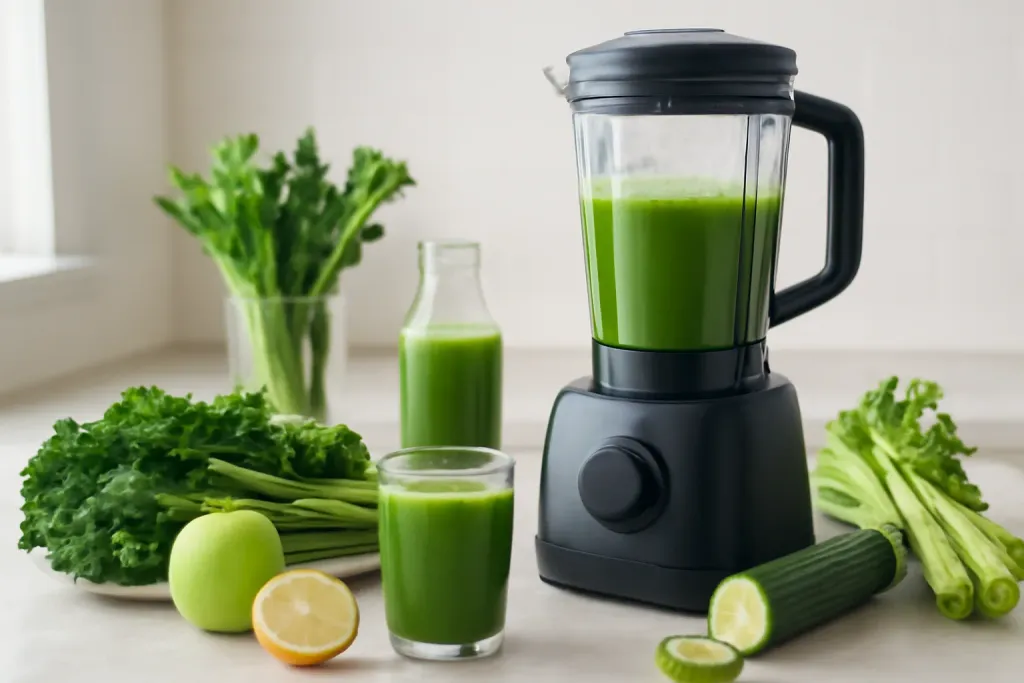
What High-Speed Blender Noise Sounds Like
High speed blender noise is usually the sharp, forceful sound that comes from a powerful motor spinning blades very quickly. In a home kitchen, it often starts as a sudden whir, then shifts into a loud, steady roar once the machine reaches full speed. Many people notice that the sound is not just loud, but also concentrated, which makes it feel more intense than the normal hum of smaller countertop appliances.
The exact sound can change based on what is in the pitcher, how full it is, and what speed setting is being used. A thin liquid may sound smoother and less strained, while a thick mixture can create a rougher, harder tone. Ice, frozen fruit, and fibrous greens can also make the noise more noticeable because the blender works harder to move everything through the blades.
For shoppers looking at blenders for green smoothies or simple homemade juice-style blends, the main thing to expect is that high speed blender noise is part of the experience rather than a sign that something is wrong. Powerful blenders are designed to move air, liquid, and ingredients quickly, and that performance naturally brings more sound.
Why High-Speed Blenders Are Loud
The loudness of a high speed blender comes from a few everyday factors. First, the motor has to work quickly to drive the blades through dense ingredients. Second, the blades create turbulence inside the jar, which adds to the overall sound. Third, the container itself can amplify vibration and echo, especially on hard kitchen counters.
Ingredient type matters a lot. Soft fruits and plenty of liquid usually create less resistance than frozen pieces, nuts, seeds, and rough greens. Even the same blender may sound different from one recipe to another because the load changes with the texture of the mixture.
Blender placement also plays a role. A unit sitting on a bare stone or laminate counter can seem louder than one placed on a mat or a stable wooden surface. Nearby walls, corners, and cabinets can reflect sound back into the room, making the appliance feel louder than it would in an open space.
It helps to think of the sound as a side effect of speed and force. The blender is doing the work you want it to do, and the noise is simply the audible result of that process.
What Affects Loudness in the Kitchen
Two blenders with similar power can still sound different in a real kitchen. Pitch, vibration, counter material, pitcher shape, and even the size of the room can change how high speed blender noise is perceived. A machine may not be dramatically different in actual operation, but the surrounding space can make it seem quieter or louder.
Countertop surface: Hard surfaces can carry vibration, while a mat or towel placed under the blender may help reduce rattling.
Room layout: Small kitchens with lots of reflective surfaces can make motor noise seem more intense.
Pitcher load: Overfilling or underfilling can increase splashing, churning, or uneven blending sounds.
Ingredient texture: Frozen fruit, ice, and leafy greens often create more sound than soft, room-temperature ingredients.
Speed setting: Higher speeds generally create more noise, especially when the blender is moving from a lower start to full power.
If you are setting up a blender station for morning smoothies or quick prep before work, these details are worth noticing. They do not require special equipment, but they can influence how comfortable the appliance feels in daily use.
What to Expect During Different Recipes
Noise can vary depending on the recipe, even when the blender itself stays the same. A simple fruit smoothie with liquid, banana, and soft produce usually sounds smoother than a thick green blend with ice or frozen chunks. If you are making a beginner-friendly smoothie, expect the blender to start with a short burst of louder sound and then settle into a steady mix as the ingredients break down.
Green juice-style blends made in a blender and strained afterward often include leafy greens, cucumber, apple, lemon, or ginger. Leafy ingredients can create a fluttering, uneven noise at first, especially before enough liquid circulates around the blades. Once the mixture forms a consistent vortex, the sound often becomes more even.
Frozen ingredients usually produce the most obvious change in volume and texture. The blender may sound as if it is pushing through the mixture in stages. That does not necessarily mean there is a problem; it often just reflects the density of the ingredients and the need for the machine to work through them gradually.
For many home users, the practical takeaway is simple: louder blending often happens at the beginning of a recipe, then settles down as the mixture smooths out. Planning for that short burst can make kitchen prep feel less surprising.
Browse our recommended products
Our featured picks refresh periodically. While we update them, our editorial guides can help you find the right pick.
See our guidesHow to Manage Noise at Home
You may not be able to eliminate high speed blender noise, but you can make it more manageable. Small setup changes can reduce vibration, keep the sound from traveling as much, and make the blender easier to use in shared spaces.
Use a stable base: Place the blender on a level surface so it does not rock or rattle.
Add a mat: A rubber mat or other cushioning layer can help cut down on countertop vibration.
Keep the container balanced: Follow the fill line guidance for the pitcher so ingredients move more evenly.
Start low when possible: Beginning at a lower setting, if the recipe allows, may reduce the initial burst of sound.
Prep ingredients evenly: Cutting produce into similar sizes can help the blender work more consistently.
Choose the right time of day: If you live with others, blending when the kitchen is less busy can reduce disruption.
Storage can help too. Keeping the blender assembled only when needed may limit casual bumps and setup noise. If your home kitchen has limited space, storing the base and pitcher separately can also make the appliance easier to handle without creating extra clatter.
Features That Can Change the Experience
When comparing blenders, it is helpful to think beyond speed alone. Different design features can influence how high speed blender noise feels during everyday use, even if the machine is still powerful. Consumers shopping for a home blender often find that the container, controls, and base design matter as much as the motor itself.
A heavier base may stay in place better and reduce movement on the counter. A well-fitted pitcher can limit wobble and reduce extra rattling. Some jars are shaped to guide ingredients into the blades more smoothly, which may make the blending cycle feel more controlled. Lid design also matters because a secure lid can prevent splatter and keep the sound from being accompanied by extra mess.
Controls can influence how the blender is used. Variable speeds may let you move gradually instead of jumping immediately to the highest setting. Pulse functions may be useful for breaking up larger pieces before full blending. These features do not make a blender silent, but they can make the experience feel more manageable for beginners.
If you are choosing a blender for smoothies, sauces, or occasional green blends, look for a setup that feels practical for your kitchen size and routine. The best choice is often the one that fits how you actually cook, store, and clean up.
How to Set Expectations Before You Buy
It is easy to focus on power or speed when shopping, but sound should also be part of the decision. High speed blender noise is normal, and a more powerful model is often louder than a basic countertop appliance. That does not make it unsuitable for home use, but it does mean shoppers should think about where and when they plan to blend.
Consider your kitchen habits. If you often make breakfast smoothies early in the morning, a quieter-feeling setup may matter more than it would for occasional weekend use. If you live in an apartment or a shared household, you may want a blender that stays stable and avoids unnecessary vibration. If you mainly blend softer ingredients, the sound may be less of a concern than if you frequently use ice or frozen produce.
It is also useful to separate marketing language from practical expectations. Phrases like "quiet" or "powerful" can be broad, so focus on the physical design, the container size, the speed options, and how the machine fits into your routine. Reading product descriptions carefully can help you avoid surprises once the blender is on your counter.
Simple Tips for Beginner-Friendly Use
If you are new to blending at home, a few simple habits can make noisy blending feel less stressful. Begin with recipes that include enough liquid to help ingredients circulate. Keep portions moderate so the blender does not have to fight through an overloaded jar. If a mixture stalls, stop the machine, stir if needed, and continue rather than forcing the blender to run continuously through a dense load.
For green smoothie recipes, it can help to place liquid in first, followed by softer ingredients, then leafy greens, and finally frozen items if the recipe calls for them. This order can support smoother blending and may reduce the sound of dry ingredients catching at the blades. When making a blender-based green juice, use enough liquid to help the mixture move freely before straining.
Cleaning also matters. A clean pitcher and blade assembly can help the blender operate more smoothly the next time you use it. Dried residue can make operation feel less consistent, and that may contribute to extra strain or noise. Keeping the blender ready for regular use is part of making it feel easier in a small kitchen.
In the end, high speed blender noise is something most home users adapt to quickly. Once you understand what causes it, you can plan around it, reduce extra vibration, and choose a blender setup that works better for your space and routine.