What Portable Blender Battery Life Means
Portable blender battery life is the amount of blending you can get from a charge before the unit needs to be plugged in again. For shoppers comparing compact blenders, it is easy to focus on container size, blade count, or motor claims, but battery life often matters just as much. If the blender cannot complete the tasks you need it for, the rest of the design matters less.
For home users, battery life is usually best thought of in practical terms: how many blending sessions are likely between charges, how long a full recharge takes, and whether the blender can handle your usual ingredients without slowing down too quickly. A model that is fine for soft fruit and liquid-based smoothies may feel very different when you add ice, frozen produce, or fibrous greens.
Battery life is also tied to how you use the blender. Short blends, smaller batches, and softer ingredients generally draw less power than longer cycles or thick mixtures. That means two people can own the same blender and have very different experiences depending on how they build their drinks and how often they use the machine.
Key Factors That Affect Runtime
Several things influence portable blender battery life, and most of them are connected to workload. The first is motor demand. A blender that has to push through dense ingredients uses more energy than one blending mostly liquid and soft fruit. Thick smoothie bowls, lots of ice, or frozen chunks can drain the battery faster than a lighter drink.
Container size and fill level also matter. Overfilling can make the motor work harder, while underfilling may lead to poor blending and repeated cycles. Both can shorten useful runtime. For best results, portable blenders generally perform better when ingredients are cut into small pieces and blended with enough liquid to move freely around the blades.
Another factor is cycle length. Some users try to compensate for a weaker blend by running many back-to-back cycles. That can be convenient in the moment, but it places more strain on the battery. Heat buildup can also become an issue if the blender is pushed continuously.
Charging habits matter too. Frequent partial charges are common with rechargeable devices, but it is still helpful to follow the manufacturer’s guidance. Storing a battery for long periods without use, keeping it exposed to heat, or leaving it plugged in far beyond what the manual suggests can reduce the battery’s usefulness over time.
What Specs to Check Before Buying
When comparing portable blender battery life, look beyond the headline number and read the fine print closely. Battery capacity, charging time, and expected blends per charge are all useful starting points, but they should be viewed as general guides rather than promises. Real performance depends on ingredients, batch size, and how often you stop to scrape or restart the motor.
It is also worth checking whether the blender is built for quick single-serve drinks or for slightly heavier daily use. Some compact models are designed mainly for occasional fruit smoothies, while others are intended to handle more frequent blending. The product description may hint at this through motor power, cup size, and recommended ingredients.
Pay attention to the charging method as well. USB charging can be convenient for travel, work, or small kitchens, but the cable type and charging time still matter. If a blender takes a long time to recharge, that may be less convenient if you use it several times a day.
Finally, review how the battery is integrated into the appliance. In some compact designs, the base and battery are part of a sealed unit, which may simplify daily use but limit serviceability. In other designs, the setup may be easier to maintain. For Amazon shoppers, the useful question is not just how long the battery lasts today, but how well the blender fits your routine over time.
How to Get More Blends Per Charge
The easiest way to improve portable blender battery life is to reduce unnecessary strain on the motor. Start by chopping ingredients into smaller pieces before blending. This helps the blades move more efficiently and can reduce the need for repeated cycles. It is especially useful for frozen fruit, sturdy greens, and ice.
Use enough liquid for the ingredients to circulate. A smoothie with too little liquid can stall or leave large pieces behind, which often leads to extra blending time. For beginner-friendly green smoothies, a simple mix of soft fruit, leafy greens, and a liquid base usually blends more smoothly than a very thick mixture with many hard add-ins.
Cleaning between uses can also help. Residue around the blades or cup can make blending less efficient. Rinsing promptly after use and washing removable parts as directed keeps the unit working as intended. That does not make the battery stronger, but it helps the machine avoid extra effort caused by buildup.
Another practical habit is to avoid running the blender longer than needed. Pulse when appropriate, then check texture before starting another cycle. If your goal is a smoother result, adding a little more liquid or changing the ingredient order may be more effective than simply extending the blend.
Browse our recommended products
Our featured picks refresh periodically. While we update them, our editorial guides can help you find the right pick.
See our guidesBattery Care and Storage Tips
Good battery care is about routine, not special treatment. If you use a portable blender regularly, keep to the charging and storage instructions provided by the manufacturer. That is the safest way to protect both the battery and the rest of the unit.
For home storage, keep the blender in a dry place away from direct heat. Kitchens can get warm near ovens, sunny windows, or appliances that run often, and heat is not ideal for rechargeable batteries. If you do not plan to use the blender for a while, store it clean and dry, with the battery in the state recommended by the manual.
It is also sensible to inspect the charging cable, port, and seals if your model has them. A compact blender is often moved around more than a countertop unit, so wear and tear can happen faster. Avoid forcing connectors or using accessories that are not meant for the device.
If the blender starts to feel weaker, takes longer to charge, or shuts down sooner than before, review your usage pattern first. The issue may be related to heavier recipes, more frequent use, or storage conditions. If the manual includes troubleshooting steps, follow those before assuming the battery itself has failed.
Matching Battery Life to Your Recipes
Not every recipe needs the same level of power. If your main goal is a quick fruit smoothie for breakfast, a moderate battery may be enough. If you want to make thicker blends, include frozen ingredients often, or prepare several drinks in one day, you will likely value longer runtime and faster recharge more highly.
For green smoothies, battery life should be considered alongside ingredient choice. Tender greens like spinach are usually easier on the blender than tougher greens, and a small handful often blends more easily than a very large amount. Soft fruit, yogurt, and a liquid base can help create a smoother texture without asking the motor to do all the work.
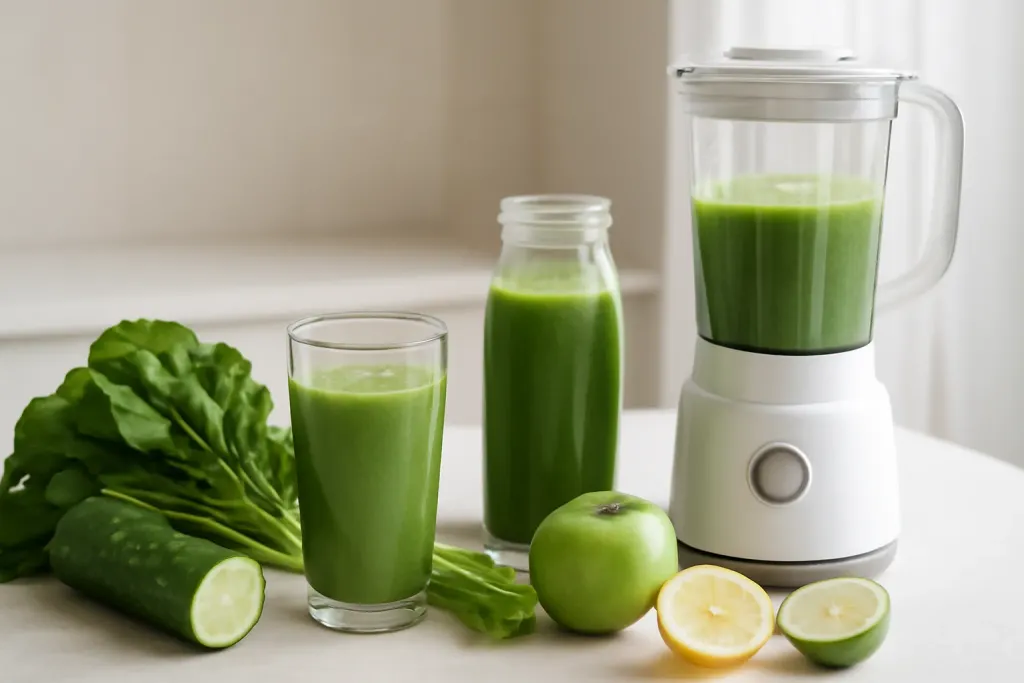
For simple green juice-style drinks made in a portable blender, remember that these appliances are not juicers. They blend whole ingredients rather than separating juice from fiber. If you want a lighter beverage, you can still create a blended drink with cucumber, apple, lemon, or herbs, then strain it if the recipe calls for a smoother texture. That approach may be more practical than expecting a compact blender to function like a dedicated juicer.
Think of battery life as part of recipe planning. The better the recipe matches the blender’s strengths, the more likely you are to get consistent results without repeatedly recharging the device.
Common Problems and What to Do
If a portable blender seems to lose battery faster than expected, start with the basics. Check whether the cup is overfilled, the ingredients are too dense, or the blend is being run in long cycles. These issues can make a normal battery seem weaker than it is.
If the motor stops quickly during thicker recipes, try adjusting the formula rather than immediately assuming the battery is defective. More liquid, smaller ingredient pieces, and shorter pulses can often improve the outcome. This is especially helpful for beginners who are still learning how much liquid their preferred recipes need.
If the blender will not hold a charge well even with light use, refer to the manual for charging and reset instructions. Look for signs that the port is dirty, the cable is damaged, or the device has been stored improperly. If the product is still under the seller’s return window or warranty terms, follow those procedures rather than trying to repair it yourself.
It is best not to force a portable blender to do more than it was built for. Battery complaints sometimes trace back to unrealistic use patterns rather than a fault in the appliance. Choosing recipes that suit a compact blender can make day-to-day use much more satisfying.
How to Shop with Battery Life in Mind
When shopping for a portable blender, treat battery life as one part of the whole package. A long runtime is helpful, but only if the blender is also easy to clean, simple to charge, and appropriate for the kinds of smoothies or blended drinks you actually make. A smaller battery may be perfectly fine if you only blend occasionally.
Read product descriptions carefully and look for language that indicates the blender is intended for light, medium, or more frequent use. Then compare that with your own routine. If you usually blend one quick drink at a time, prioritize convenience and portability. If you rely on the blender multiple times a week for fruit and green smoothie prep, give more weight to charging time and runtime consistency.
It can also help to think about storage. A blender that is easy to tuck away in a pantry or on a kitchen shelf is more likely to stay charged and ready. For Amazon shoppers, the best portable blender battery life is not simply the longest number on the page. It is the battery performance that fits your ingredients, your schedule, and your willingness to maintain the unit properly.
In the end, a practical purchase is one that keeps up with your routine without requiring constant workarounds. If you match the blender to your typical recipes and care for the battery sensibly, you are more likely to get steady everyday use from it.