How much juice is in one orange?
Quick answer. A medium orange gives about 1/3 cup (5 to 6 tablespoons) of juice; range 5.5 to 8 tablespoons (USDA 86 g; NDSU 6 to 8 tablespoons), two sources. An 8 fl oz glass takes 2 to 3 medium oranges.
1 medium orange gives about 5.5 to 8 tbsp of juice.
For 1/2 cup you need about 1 to 2 medium oranges.
Two sources USDA FoodData Central and NDSU Extension together give this range.
| Unit | Juice |
|---|---|
| tsp | 16.65 to 24 |
| tbsp | 5.55 to 8 |
| fl oz | 2.77 to 4 |
| cup | 0.35 to 0.5 |
| ml | 82 to 118 |
Copied
As an Amazon Associate, GreenJuiceADay earns from qualifying purchases. See our affiliate disclosure.
$99.99$89.95
View on Amazon (Zulay Kitchen Cast Iron Juicer, Orange Manual Juicer, Citrus Press, Black | Heavy Duty Stainless Steel Fruit Hand Press for Orange, Lemon, Citrus Fruit Juice & More, Easy to Clean, Lemonade Stand Ready)$69.99$59.99
View on Amazon (Eurolux Premium Electric Orange Juicer | Stainless Steel Citrus Squeezer With New Ultra-Powerful Motor and Soft Grip Handle for Effortless Juicing, Auto Shutoff, Dishwasher-safe Parts, Pulp Control)$9.99
View on Amazon (OXO Good Grips Wooden Reamer | Solid Beechwood Citrus Reamer, Natural Oil Finish, Comfortable Handle, Ideal for Juicing Lemons and Limes, Hand Wash Only)$39.95$29.99
View on Amazon (Cuisinart Pulp Control Citrus Juicer, Orange Juicer Squeezer and Lemon Squeezer with 3 Pulp Control Settings, Accommodates Small Limes and Large Grapefruits, CCJ-500P1, Black/Stainless Steel)$14.99$12.34
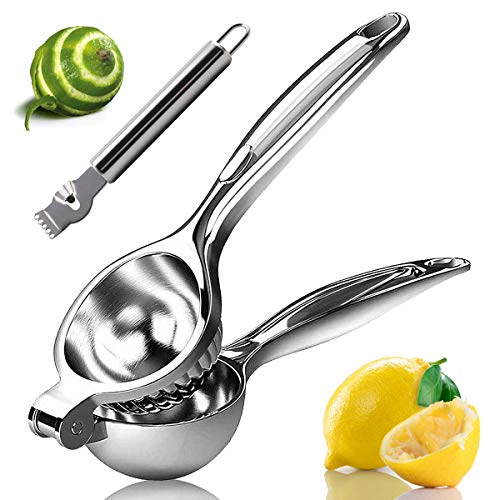
View on Amazon (MONKKINO 8.7" Lemon Squeezer Combo, Manual Citrus Juicer for Limes & Lemons | Heavy-Duty 2.76" Bowl, Fast & Effortless Squeezing, Maximum Juice Yield, Seed-Free & Splash-Free, with Stainless Steel Zester)$29.99$24.99
View on Amazon (Lemon Squeezer Stainless Steel with Premium Quality Heavy Duty Solid Metal Squeezer Bowl - Large Manual Citrus Press Juicer and Lime Squeezer Stainless Steel - by Zulay Kitchen)$13.99
View on Amazon (Elite Gourmet 24 oz Electric Citrus Juicer, 40W, BPA-Free, Pulp Control | Auto-Reversing Reamer, Easy-Pour Spout, Pulp & Seed Strainer, Dishwasher-Safe Parts, Citrus Fruits, Stainless Steel, ETS623)Prices and availability were accurate when retrieved from Amazon and may change. Retrieved Nov 14, 2026.
Counts are whole oranges, rounded up. The first number assumes juicy fruit and the second the low end of the range. Calories and sugars are for the juice in the glass, from USDA's entry for orange juice (chilled), which is not freshly squeezed juice but is the closest USDA listing.
| Glass | Small oranges | Medium oranges | Large oranges | Calories | Sugars |
|---|---|---|---|---|---|
| Small juice glass, 4 fl oz | 2 | 1 to 2 | 1 to 2 | 60 kcal | 10 g |
| 6 fl oz | 3 | 2 to 3 | 2 | 90 kcal | 15 g |
| Standard glass, 8 fl oz (1 cup) | 3 to 4 | 2 to 3 | 2 to 3 | 120 kcal | 21 g |
| 12 fl oz | 5 to 6 | 3 to 5 | 3 to 4 | 180 kcal | 31 g |
| Pint, 16 fl oz | 6 to 8 | 4 to 6 | 3 to 5 | 240 kcal | 41 g |
USDA gives edible weights for three orange sizes: 96 g, 131 g and 184 g. We scale the medium range by those weights.
| Size | Edible fruit (FDC) | Juice, tablespoons | Juice, ml | Juice, fl oz |
|---|---|---|---|---|
| Small | 96 g | 4.1 to 5.9 | 60 to 87 | 2 to 2.9 |
| Medium | 131 g | 5.5 to 8 | 82 to 118 | 2.8 to 4 |
| Large | 184 g | 7.8 to 11.2 | 115 to 166 | 3.9 to 5.6 |
Juice and whole fruit are close on calories and sugar, but the fiber is mostly gone.
| Calories | Sugars | Fiber | Potassium | |
|---|---|---|---|---|
| 1 medium orange, 131 g (USDA, raw) | 60 kcal | 12 g | 3.1 g | 237 mg |
| 1 cup (8 fl oz) orange juice, chilled | 120 kcal | 21 g | 0.7 g | 441 mg |
USDA FoodData Central: Oranges, raw, all commercial varieties (FDC 169097); Orange juice, chilled, includes from concentrate (FDC 169100).
NDSU Extension lists the fresh peel of one medium orange as 2 to 3 tablespoons grated, and 1 tablespoon of dried orange peel as 2 to 3 tablespoons of grated fresh peel.
| Medium oranges | Grated peel (fresh) |
|---|---|
| 1 | 2 to 3 tbsp |
| 2 | 4 to 6 tbsp |
| 3 | 6 to 9 tbsp |
USDA FoodData Central lists 86 g of juice per orange (about 5.5 tablespoons) and NDSU Extension says 6 to 8 tablespoons, so we show 5.5 to 8. If you need a precise figure for a recipe, squeeze one orange and measure it.
All values read on 2026-11-14, logged in content/data/sources.json. The official USDA Food Buying Guide could not be opened from our build machine (it blocks automated requests), so no figure is taken from it. Size rows scale the medium figure by USDA edible fruit weight; that scaling is our assumption, not a published yield.
About 5.5 to 8 tablespoons for a medium orange, from USDA (86 g of juice per fruit) and NDSU Extension (6 to 8 tablespoons). Squeeze one to check.
2 to 3 medium oranges. A cup is 16 tablespoons.
USDA lists about 120 kcal and 21 g of sugars in 8 fl oz of chilled orange juice.
This article reflects independent editorial research and disclosed buying criteria. This is not medical, nutritional, or professional advice. Some links on this page are Amazon Associates affiliate links; see our affiliate disclosure for details.