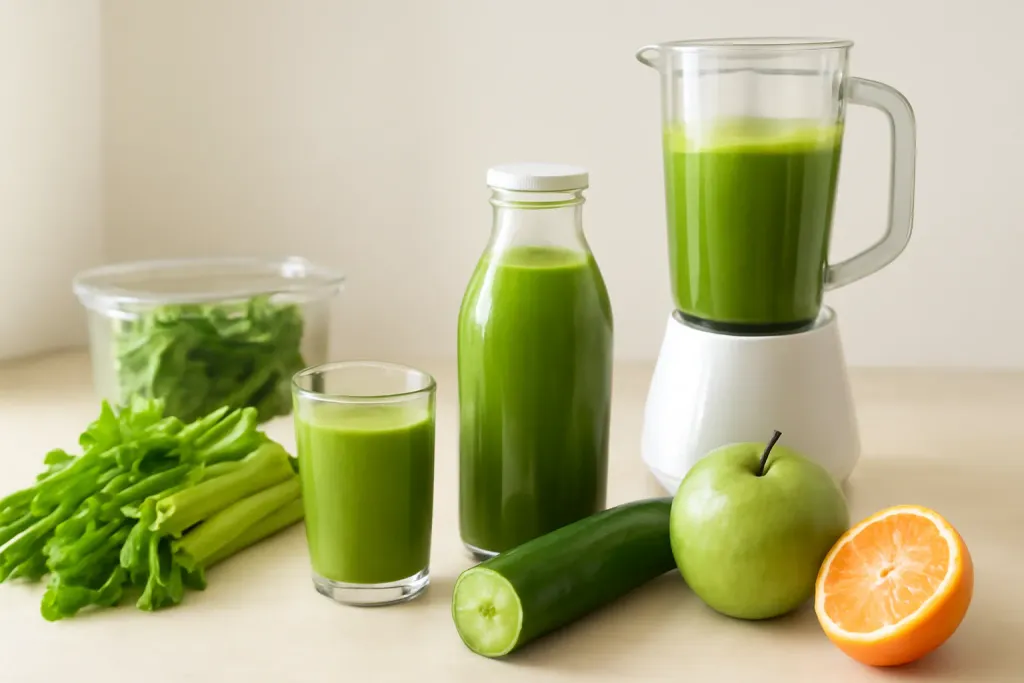
What Each Book Type Is Designed to Do
A juicing recipe book and a blender recipe book can overlap in the broad category of healthy drinks, but they are not built for the same kitchen job. The easiest way to think about a juicing vs blender recipe book is this: one focuses on extracting liquid from produce, while the other focuses on combining whole ingredients into a thicker drink or mixture.
Juicing books usually center on combinations that work well in a juicer and on ingredient pairings that produce a smooth, drinkable liquid with pulp removed. Blender books are broader. They may include smoothies, shakes, frozen drinks, sauces, soups, and breakfast blends, with ingredients left intact and broken down by the blades.
Because of that difference, the recipes, ingredient lists, and equipment notes tend to look different from page to page. If you want to choose the right book for your kitchen, it helps to know what role you want the drink to play in your routine. Do you want a lighter, strained beverage with minimal prep steps after juicing? Or do you want a thicker, more filling blend that can handle fruit, greens, yogurt, nut butter, seeds, and ice? The answer usually points you toward the right type of book.
Juicing vs Blending: The Core Difference
The main difference between juicing and blending is what happens to the fiber and the final texture. In juicing, produce is processed so the liquid is separated from much of the pulp. In blending, the ingredients are mixed together and the fiber stays in the drink.
This affects the kind of recipes each book can support. Juicing recipes often use ingredient stacks that are easy to run through a juicer, such as leafy greens, cucumber, celery, apples, citrus, ginger, and herbs. Blender recipes can include the same ingredients, but they are often paired with liquid bases and thicker add-ins so the blender can move everything into a smooth consistency.
The difference also changes how readers approach the book. A juicing-focused book may give more attention to produce prep, peels, core removal, and how to layer ingredients for efficient juicing. A blender-focused book may spend more time on liquid amounts, ice, frozen fruit, blending order, and how to avoid a drink that is too thin or too thick. If you are comparing a juicing vs blender recipe book for the first time, this method difference is the most important thing to look for.
How the Ingredient Lists Usually Differ
Ingredient lists in juicing books are usually shorter and more produce-focused. They often emphasize items that release liquid efficiently or contribute flavor without making the juicer work harder than necessary. That means you will commonly see vegetables and fruits that are easy to wash, trim, and feed into the machine.
Blender books are often more flexible. Along with fruits and vegetables, they may include ingredients that help create body, such as oats, yogurt, seeds, nut butter, protein powders, frozen fruit, and plant-based milks. Some books also include add-ins for texture and flavor that would not make sense in a juicer.
Here are a few patterns that often separate the two:
- Juicing recipes tend to favor fresh produce with high moisture content.
- Blender recipes often use a liquid base to help ingredients circulate.
- Juicing books may suggest removing peels, pits, or tough rinds more often.
- Blender books more often include pantry ingredients and freezer-stable items.
If you prefer shopping from a shorter produce list and using ingredients quickly, a juicing book may feel more natural. If you like flexible recipes that help you use up bananas, berries, greens, and pantry staples, a blender book may be the better fit.
Equipment Needs and Counter Space
The recipe book you choose should match the equipment you already own or plan to use. A juicing recipe book usually assumes access to a juicer, whether that is a centrifugal model or a masticating style. It may also assume you have a fine strainer, storage jars, or containers for any extra juice you want to refrigerate.
A blender recipe book, by contrast, is built around the blender itself. That makes it more familiar to home cooks who already use a blender for smoothies, meal prep, sauces, and small-batch recipes. Some books also assume you have a tamper, freezer-safe cups, or containers for storing blended ingredients ahead of time.
Space matters too. Juicing can involve more parts to wash, more prep bowls, and more storage for the produce that is waiting to be processed. Blending often uses fewer accessories, though thicker recipes can require stopping to scrape down the sides or adding more liquid to keep the mixture moving.
If your kitchen is small or you want the simplest possible cleanup routine, that should factor into your choice. A practical juicing vs blender recipe book will usually be honest about the equipment it expects and whether the recipes are meant for quick weekday use or more deliberate prep sessions.
Browse our recommended products
Our featured picks refresh periodically. While we update them, our editorial guides can help you find the right pick.
See our guidesTexture, Satiety, and Everyday Use
People usually reach for juicing and blending at different times for different reasons. Juiced drinks are typically lighter and smoother, with a thinner texture. That makes them appealing when you want a straightforward produce-forward drink that is easy to sip.
Blended drinks are usually thicker and more filling because the ingredients stay together. Smoothies, in particular, can feel more like a snack or a quick breakfast because they often include fiber-rich fruit, greens, and add-ins that create body. This is one reason blender books tend to have more meal-style recipe options.
For everyday routines, that difference matters. A juicing book may be better if you want a fast green juice to pair with breakfast or enjoy on its own. A blender book may be better if you want something that can stand in for a light meal, travel well in a tumbler, or serve as a flexible base for different mix-ins.
Neither approach is automatically better. The best choice depends on whether you want a light drink, a thicker blended option, or both. Many households end up owning one of each book type because the recipes solve different problems in the kitchen.
What a Good Recipe Book Should Explain
Not every book does the same job well, so it helps to know what to look for before buying. A useful juicing recipe book should explain how recipes are organized, how produce should be prepped, and whether the book is aimed at beginners or at cooks who already know their machine. A useful blender recipe book should explain liquid ratios, blending order, and how to adjust thickness without turning every recipe into the same texture.
For either format, clear recipe instructions are more important than a large number of recipes. Look for books that describe the ingredient purpose, not just the steps. A beginner-friendly book should also offer sensible notes on storage, such as when to make recipes fresh and when ingredients can be prepped in advance.
Other helpful signs include:
- Ingredient lists that are short and readable
- Steps that match the equipment being used
- Ideas for substitutions without overcomplicating the recipe
- Sections that help readers build confidence rather than just collect recipes
A strong juicing vs blender recipe book should feel practical, not overwhelming. If a book expects too much guesswork, it may not be the best match for a beginner kitchen.
Storage, Prep, and Make-Ahead Planning
Storage is one of the most overlooked differences between juicing and blending. Juicing often requires more attention to timing because fresh juice is usually made to be consumed soon after preparation. That means storage jars, refrigeration space, and clear labeling become part of the process if you plan to make extra.
Blender recipes can be easier to batch in some cases, especially when they use freezer-friendly ingredients or smoothie packs. Many blender books also fit well with make-ahead prep: portioning fruit, washing greens, and freezing ingredients so the actual blending step takes less time in the morning.
If your routine depends on prep-ahead convenience, the book should reflect that. A juicing book may be better if you are comfortable preparing produce the same day. A blender book may be better if you want to assemble ingredients in advance and blend when needed.
For home use, this also affects how you shop. Juicing can require more frequent produce purchases, while blender recipes may let you keep a broader mix of fresh, frozen, and pantry ingredients on hand. That flexibility can make a big difference for busy households.
How to Choose the Right Book for Your Kitchen
If you are deciding between the two, start with your equipment and your daily habits. Choose a juicing recipe book if you already have a juicer, prefer lighter drinks, and want recipes built around fresh produce extraction. Choose a blender recipe book if you want more variety, thicker smoothies, and recipes that can handle fruit, greens, and add-ins in one place.
It also helps to think about who will use the book. Beginners often do well with a blender book because the equipment is familiar and the recipes can be more forgiving. Juicing books can still be beginner-friendly, but they tend to work best when the reader is comfortable with produce prep and understands how their juicer handles different ingredients.
Here is a simple way to decide:
- Pick juicing if your goal is a strained juice and you want to focus on produce combinations.
- Pick blending if you want smoothies, thicker drinks, and flexible add-ins.
- Pick both if your kitchen routine includes different drink textures and different storage needs.
In the end, the right juicing vs blender recipe book is the one that matches your tools, your time, and the kind of drink you actually want to make on a regular basis.