What This Green Juice Ingredient Guide Covers
This green juice ingredient guide focuses on the everyday decisions that make a green drink pleasant to sip at home: which ingredients bring brightness, which add body, and which ones can make a juice taste overly bitter or grassy. If you are choosing produce for a juicer or a blender, the goal is not to chase a perfect formula. It is to build a balanced starting point that you can repeat, adjust, and store with confidence.
For many beginners, the biggest challenge is not equipment. It is knowing how ingredients behave once they are cut, juiced, or blended. Some greens are soft and mild, while others are sturdier and more assertive. Some fruits smooth out flavor quickly, while others add too much sweetness or fiber if used without a plan. Understanding those roles helps you make better use of your appliance and reduces waste at the counter.
The sections below cover flavor, texture, preparation, storage, and a few simple starter combinations. They are written for home use, whether you are making a quick morning juice, a green smoothie, or a batch of ingredients that needs to hold up in the refrigerator for later.
Build Flavor With Balance
A good green drink usually works because it balances four basic elements: mild sweetness, fresh acidity, green notes, and a little water content. When one element takes over, the drink can feel flat, harsh, or watery. A beginner-friendly approach is to start with a mild base and then add one or two supporting ingredients rather than many items at once.
For sweetness, common choices include apple, pear, grapes, pineapple, and orange. These ingredients can soften the flavor of spinach, cucumber, celery, and herbs. If you prefer a less sweet profile, use just enough fruit to round out bitterness instead of making the drink taste like fruit juice with greens mixed in. A small amount often goes further than expected.
For brightness, lemon and lime are helpful in both juice and smoothie recipes. They can sharpen flavor and make the greens taste fresher. Ginger is another useful ingredient for home juicing because a little adds warmth and interest without requiring a long ingredient list. Mint can also lighten the flavor, especially in cucumber-based drinks.
If you are learning your own preferences, try changing just one variable at a time. Keep the greens the same, then adjust fruit, acid, or ginger in small steps. That makes it easier to see how each ingredient changes the final result.
Choose Greens for Flavor and Texture
Not all greens behave the same way in a juice or smoothie. Some are gentle and easy to combine, while others are more fibrous, peppery, or earthy. For beginners, spinach is one of the most flexible greens because it blends smoothly and usually stays mild in flavor. Romaine is also a practical choice, especially if you want a lighter, more refreshing taste with plenty of water content.
Richer greens such as kale, collards, Swiss chard, parsley, and cilantro can bring more character, but they often need support from fruit, citrus, or cucumber to keep the drink balanced. Kale can read as strong or slightly bitter if the recipe is too bare. Collards tend to be sturdier, so they work well when you want a more substantial green base. Chard can be very useful, but its stems may add extra texture if the blender is not strong enough to break them down.
Herbs deserve a separate mention because they can change the direction of a recipe quickly. Parsley adds a fresh, green edge. Cilantro gives a more distinctive flavor that some people enjoy in small amounts. Mint is useful in smaller doses, especially when paired with cucumber, lime, or apple. Since herbs are concentrated, begin with a little and increase slowly.
If you want a simple rule, combine one soft leafy green with one optional stronger green or herb. That keeps the flavor recognizable and reduces the chance of ending up with a drink that tastes overly sharp or muddy.
Use Fruit and Vegetables as Supporting Ingredients
In many green juice and smoothie recipes, the supporting ingredients matter as much as the greens. Cucumber is one of the easiest vegetables to use because it adds freshness and a lot of moisture without making the recipe heavy. Celery can create a crisp, savory edge, though it has a more noticeable flavor than cucumber. Zucchini is a useful blender ingredient when you want body without strong sweetness.
Apples are a dependable beginner fruit because they help bridge greens and citrus. Pears can feel softer and slightly more mellow. Pineapple is popular in blended green recipes because it adds strong sweetness and a bright tropical note, but it can dominate if too much is used. Grapes can also sweeten a drink, though they may push the flavor toward a fruit-forward profile.
Banana is more common in smoothies than juices. It adds thickness and a creamy texture, which can be helpful if you want a filling drink rather than a light juice. Avocado is another smoothie-friendly ingredient that produces a richer mouthfeel without adding sweetness. If you are making a green smoothie for breakfast, these ingredients can make the result more satisfying.
When building a recipe, think of fruit and vegetables as support, not the entire structure. They should help the greens taste cleaner, fresher, and easier to drink, while still leaving room for the green character to come through.
Browse our recommended products
Our featured picks refresh periodically. While we update them, our editorial guides can help you find the right pick.
See our guidesPrep Makes the Biggest Difference
Preparation has a major effect on both flavor and texture. Washing produce carefully, trimming damaged leaves, and cutting items into manageable pieces can make juicing or blending far easier. For leafy greens, separate thick stems from tender leaves when appropriate. This can help the final drink taste smoother and reduce stringy bits in a blender.
For juicing, firmer produce often works best when chopped into pieces that feed comfortably into the chute. For blending, smaller pieces help the appliance move ingredients around more evenly. Freezing peeled banana, chopped pineapple, or cubed cucumber can also help a smoothie feel colder and thicker without depending on too much ice.
Some ingredients benefit from light peeling. Citrus peel is usually removed before blending or juicing unless a recipe calls for zest in a very specific amount. Ginger can be used peeled or unpeeled depending on how you prepare it, but many home cooks prefer peeling the larger sections to keep the texture cleaner. If you are using herbs, inspect them carefully because a few tough stems or wilted leaves can affect the final flavor.
Batch prep can save time during the week. Wash and dry greens thoroughly, store them with a paper towel in a container or bag, and keep cut fruit in sealed containers so you can assemble a recipe faster. Just be aware that prepped ingredients still have a limited freshness window, so avoid cutting more than you reasonably plan to use.
Match Ingredients to Texture and Equipment
The texture you want should guide ingredient choice. Juicers separate liquid from pulp, so they work well for crisp, watery ingredients and leafy greens that can be processed into a lighter drink. Blenders keep the fiber, which creates a thicker consistency and allows ingredients like banana, avocado, cucumber, and zucchini to add body.
If you are using a blender, fibrous ingredients need a little more care. Kale ribs, celery strings, and large herb stems can leave a rough mouthfeel if the blender is crowded or if the pieces are too large. Cutting ingredients smaller and adding liquid in stages can help the mixture move more easily. A simple order often works well: liquid first, then soft produce, then greens, then frozen pieces or ice on top.
For juicing, balance matters in a different way. Too many soft fruits can make the result taste one-dimensional, while too many strong greens can produce a harsh profile. Mixing watery ingredients with leafy ones often creates a cleaner finish. If your appliance has a smaller feed tube or a basic motor, reducing the size of produce pieces and avoiding overly dense combinations can make the process more convenient.
Think about cleanup as part of texture planning too. Recipes with fewer sticky ingredients are usually easier to rinse out of a blender jar, while juicers may produce more parts to wash if you include very fibrous produce. Choosing a simple ingredient list can make the whole routine more sustainable for everyday use.
Simple Beginner Combinations to Try
Starting with a few reliable combinations can make the learning curve easier. A basic spinach, cucumber, apple, and lemon mix is a good entry point for juicing or blending because it stays bright and approachable. If you want something with a softer flavor, try romaine, pear, cucumber, and mint. This type of recipe tends to feel refreshing without relying on a long list of ingredients.
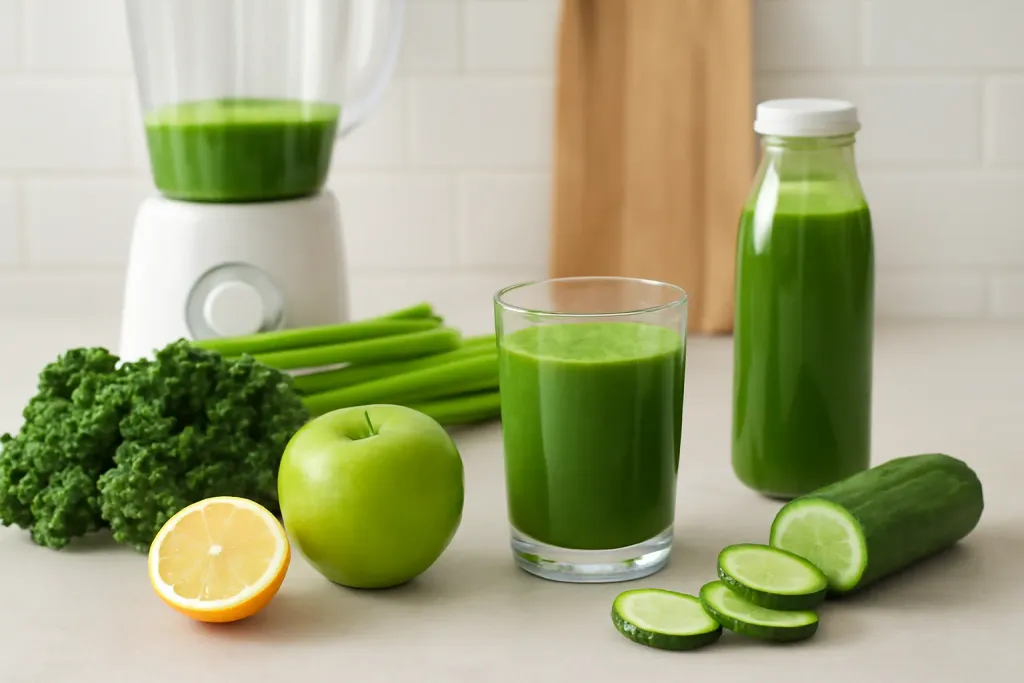
For a more vivid green smoothie, combine spinach, banana, pineapple, and a little lime. The banana adds thickness, the pineapple adds sweetness, and the lime keeps the flavor lively. If you prefer a less sweet option, try kale, cucumber, green apple, and ginger. This gives you a sharper profile while still staying manageable for beginners.
Another useful pairing is parsley with cucumber, apple, and lemon. It tastes clean and herbal, but the fruit and citrus help it remain balanced. For a richer smoothie, avocado, spinach, banana, and lime can create a creamier texture that works well as a breakfast drink. None of these combinations require complicated prep, and each one shows a different way to manage flavor and texture.
Once you find a combination you like, make small changes rather than replacing everything at once. Swap spinach for romaine, or apple for pear, or lemon for lime. That gives you more control and helps you understand how each ingredient affects the final result.
Storage, Freshness, and Using Leftovers
Freshness matters because green juices and smoothies are best handled as soon as practical after preparation. Even when stored in a sealed container, texture and flavor can shift over time. For home use, keeping ingredients cold, minimizing air exposure, and planning small batches are practical ways to improve consistency.
If you are storing cut produce, use airtight containers and refrigerate promptly. Leafy greens can wilt quickly if they are not dried well before storage. Fruits and vegetables with high moisture content may release liquid over time, so it helps to keep them separate until you are ready to combine them. If you prepare a smoothie in advance, give it a quick shake or stir before drinking because separation is normal in blended drinks.
Leftover ingredients can usually be repurposed in simple ways. Extra cucumber and spinach can go into another juice or smoothie the next day. Remaining herbs can be added to water, salad, or a sauce if they are still fresh enough. Banana, avocado, and other smoothie ingredients are easier to save if they were portioned before freezing. That can reduce waste and make the next recipe quicker to assemble.
A practical routine is to keep a short list of repeatable ingredients on hand: one mild green, one stronger green, one watery vegetable, one fruit, one citrus, and one optional flavor accent like ginger or mint. That is often enough to create a flexible home green juice routine without making preparation feel complicated.